
Vitamin D deficiency is incredibly common, with one study estimating that 20% of Americans don’t get enough of this essential nutrient, which supports bone health as well as proper nerve, muscle, and immune function.
While supplements can help fill the gap, certain foods—and, of course, exposure to the sun’s ultraviolet rays—also contribute to daily intake. Adults need about 600 international units (IU) of vitamin D per day until age 71, when the recommendation increases to 800 IU. Here are five foods or drinks that can help you meet your vitamin D needs.
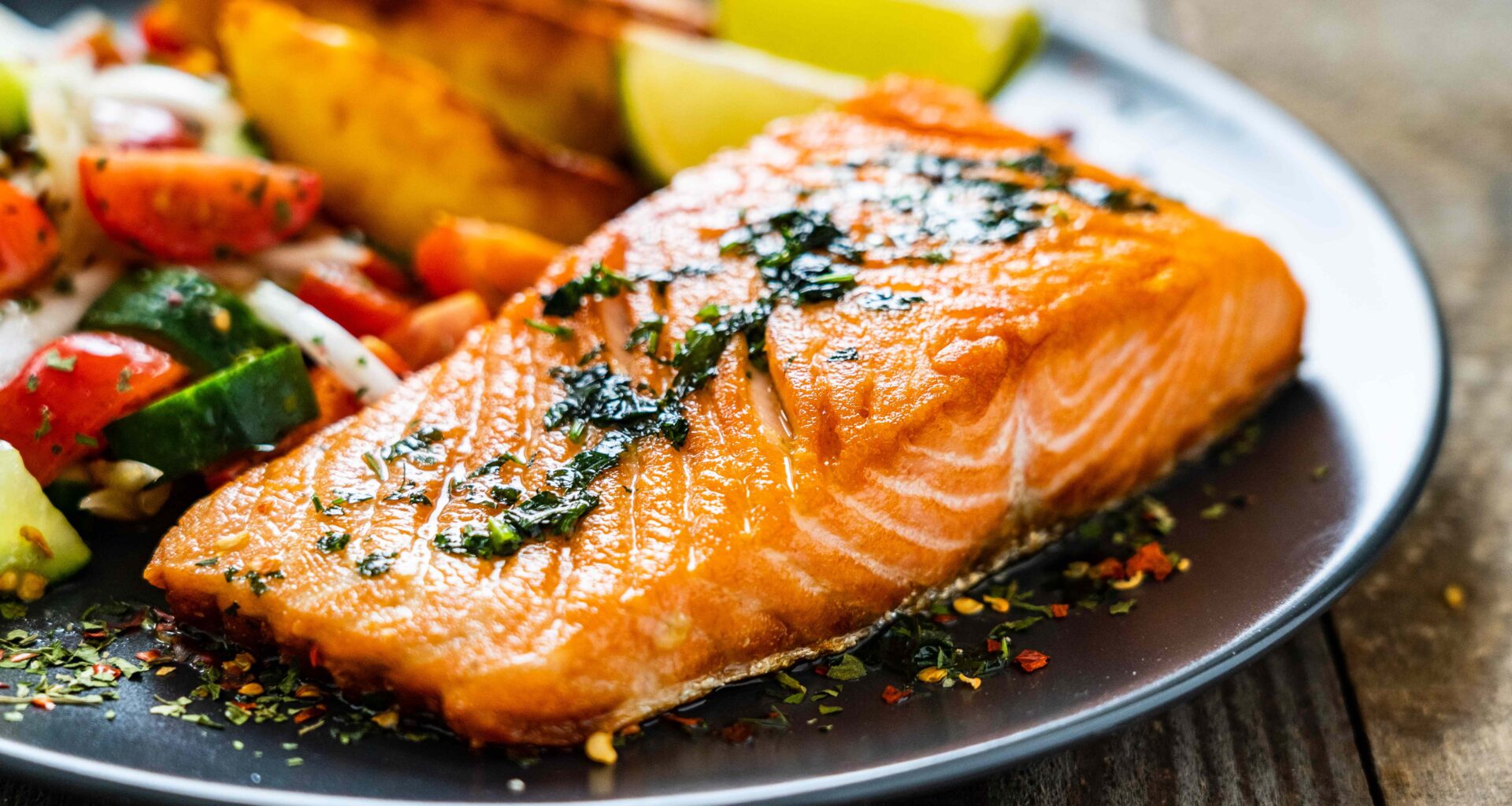
Fatty fish, such as salmon, mackerel, and sardines, are among the richest natural sources of vitamin D3, the form most easily used by the body, Morgan Walker, MS, RD, LDN, a sports nutritionist and adjunct professor at Lebanon Valley College, told Health.
One 3-ounce serving of rainbow trout contains 645 IU of vitamin D, while the same amount of sockeye salmon has 570 IU. Canned tuna and salmon are convenient and economical options as well; you can add them to salads and sandwiches or use them to make fish “burger” patties.
Egg yolks contain vitamin D3, though not nearly as much as fatty fish. One large egg has 44 IU.
There are plenty of ways to enjoy eggs, but deviled eggs put the yolks front and center, said Jen Hernandez, RDN, CSR, a registered dietitian nutritionist focusing on renal health and founder of Plant-Powered Kidneys. They’re traditionally made with mayo (which also contains eggs), but Hernandez swaps in low-fat Greek yogurt for more protein.
Omelets, fried rice, and baked goods are other easy ways to incorporate more eggs into your diet.
There aren’t many plant-based foods that naturally contain vitamin D, but mushrooms that have been exposed to ultraviolet light do. A 1/2 cup of sliced white UV-exposed mushrooms provides about 366 IU. Look for labels that say “High Vitamin D” or “UV-Exposed.”
Shiitake, button, oyster, and other mushrooms contain a precursor to vitamin D called ergosterol. When UV rays hit the mushrooms, ergosterol converts to vitamin D2—a process similar to how sunlight triggers vitamin D production in our skin.
Hernandez likes roasting mushrooms or using them in a risotto. But make sure to include some healthy fats along with them. “With all of the vitamin D foods, because vitamin D is fat-soluble, it is important to include some type of fat to help absorb the vitamin D,” she told Health.
Fortified dairy products, such as cow’s milk and yogurt, typically provide vitamin D3, while most fortified plant-based milks and non-dairy yogurts are fortified with vitamin D2, Walker said.
One cup of fortified 2% reduced-fat milk contains 120 IU. Meanwhile, a cup of fortified soy, almond, or oat milk has between 100 and 144 IU, depending on the type.
Many breakfast cereals are fortified with vitamin D. While the amount varies by brand, they typically provide around 80 IU per serving.
Frank Dumont, MD, FACP, an internal medicine physician and executive medical director at Virta Health, doesn’t recommend getting the bulk of your vitamin D intake through processed fortified cereals. But they can be a good way to tick up those numbers, especially for kids who might shy away from mushrooms, eggs, or fish.
If you regularly spend time outdoors (research suggests that sunscreen doesn’t block vitamin D production) and have a diet full of foods rich in vitamin D, you probably don’t need a supplement, Dumont said.
However, experts noted that people who live in areas with limited sun exposure, spend most time indoors, have darker skin, or follow a vegan or vegetarian diet may benefit from supplementation. Many people with a vitamin D deficiency don’t have symptoms, but possible signs include muscle weakness, bone pain, and fatigue. A simple blood test—which Hernandez recommends people get twice a year, around daylight savings time—can confirm your levels.
Before taking vitamin D, it’s a good idea to consult your physician to ensure it won’t interact with other medications or existing health conditions.