
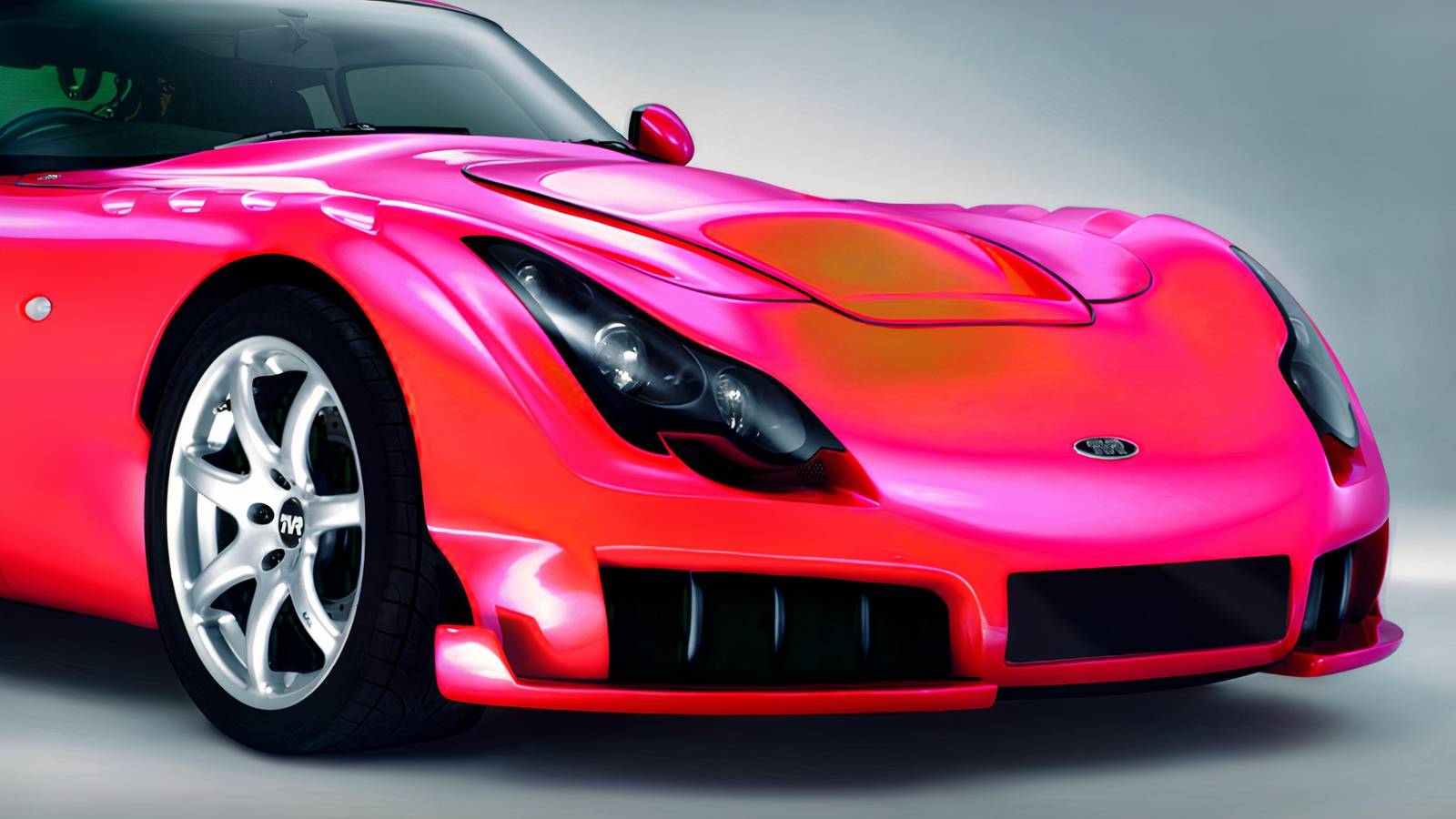
Records are a major part of the car world. Automakers are constantly fighting each other to achieve more power, more speed, and better acceleration, breaking technological barriers and earning themselves a place in automotive history. Some records, such as Nürburgring lap times or 0-60 times, are widely celebrated and publicized, while others fly under the radar, such as the one we are having a look at today.
We’re talking about the most powerful naturally aspirated inline-six engine in history. If you thought this title may have been held by a major automaker, such as BMW or Toyota, you would be wrong. The answer can’t be found under the hood of an M3. That particular record is instead held by a small British automaker with a fascinating, if slightly turbulent, history and lots of truly bonkers creations in its lineup: TVR. With their Speed Six engine, TVR managed to achieve an output of 400 horsepower, the highest ever for an NA inline-six.
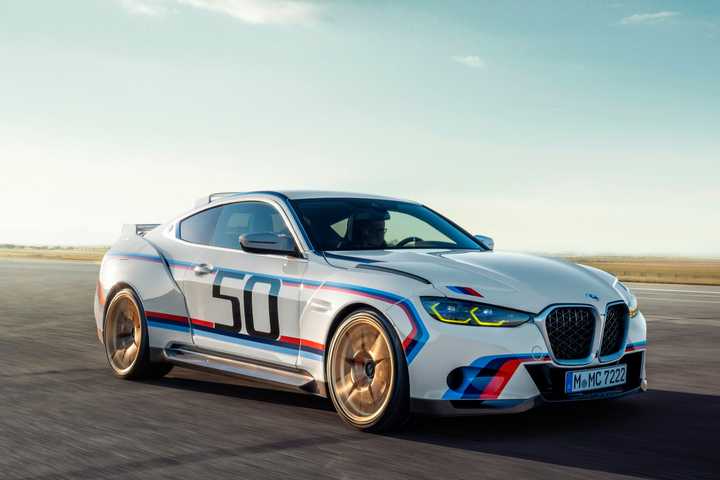
In case you’re wondering what the most powerful overall inline-six is, that title belongs to the 2023 BMW 3.0 CSL, which produces
552 hp from its famous S58 3.0-liter twin-turbo six.

Base Trim Engine
3.0L Twin-Turbo Inline-6 Gas
Base Trim Transmission
6-Speed Manual
Base Trim Drivetrain
Rear-Wheel Drive
Base Trim Horsepower
552 hp
Base Trim Torque
406 lb-ft
Fuel Economy
TBC
Infotainment & Features
7 /10
Where research meets the right deal
The TVR Speed Six: Small Company, Big Power
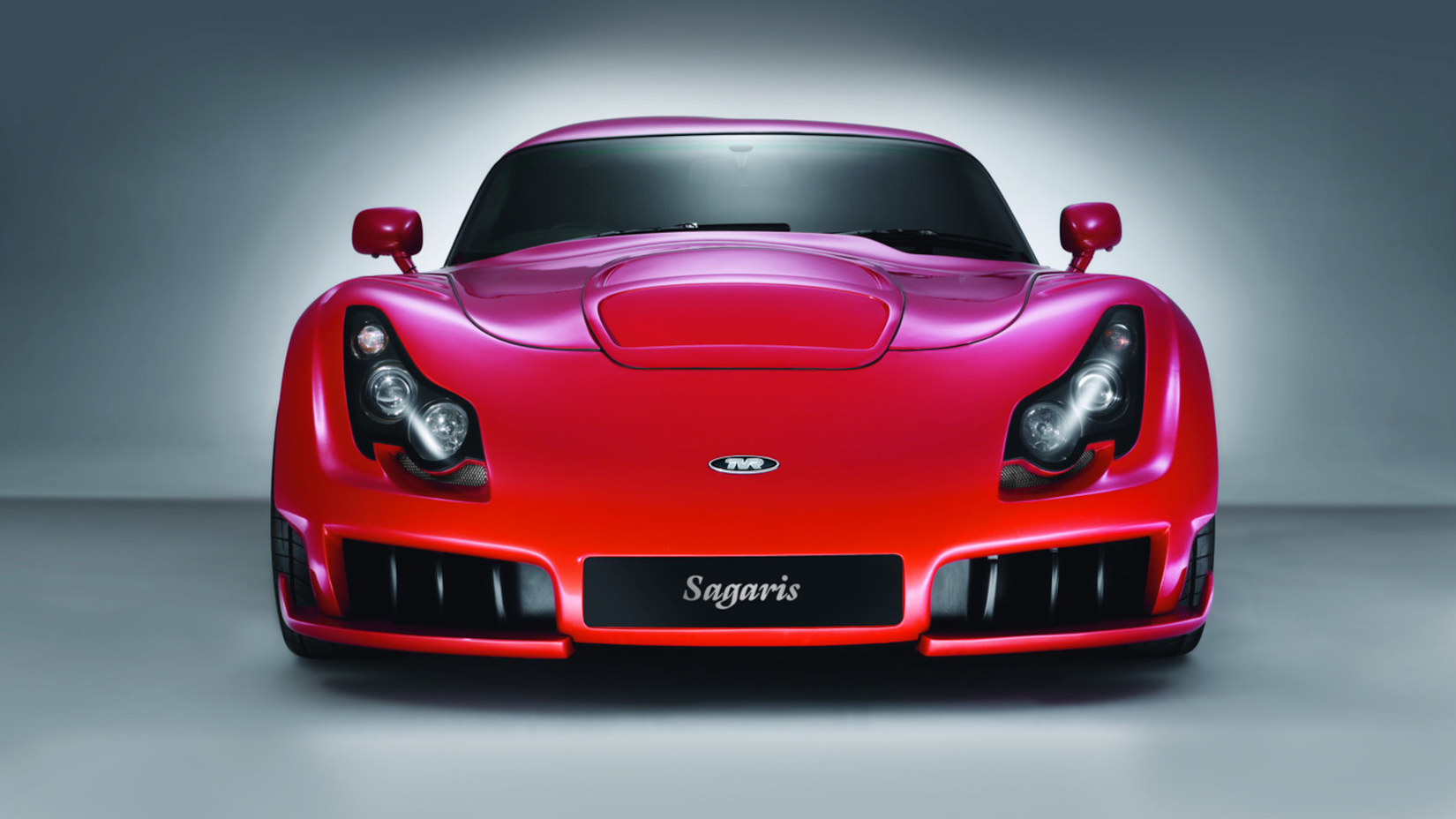
TVR SagarisTVR
The TVR Speed Six engine was developed in the late 1990s and launched in 1999. In its prototype form, it was originally referred to as AJP-6, with the “A” representing the engineer who designed it, Alwyn “Al” Melling. Some of the engine’s design elements were borrowed from another, very different engine designed by Melling, a Suzuki motorcycle engine from 1991.
The Speed Six went on to power several of the brand’s production models between 1999 and 2007. During its prototype phase, it was originally built in 3.0-liter and 3.5-liter versions. However, the production model was slightly larger, with 3.6-liter and 4.0-liter versions being built.
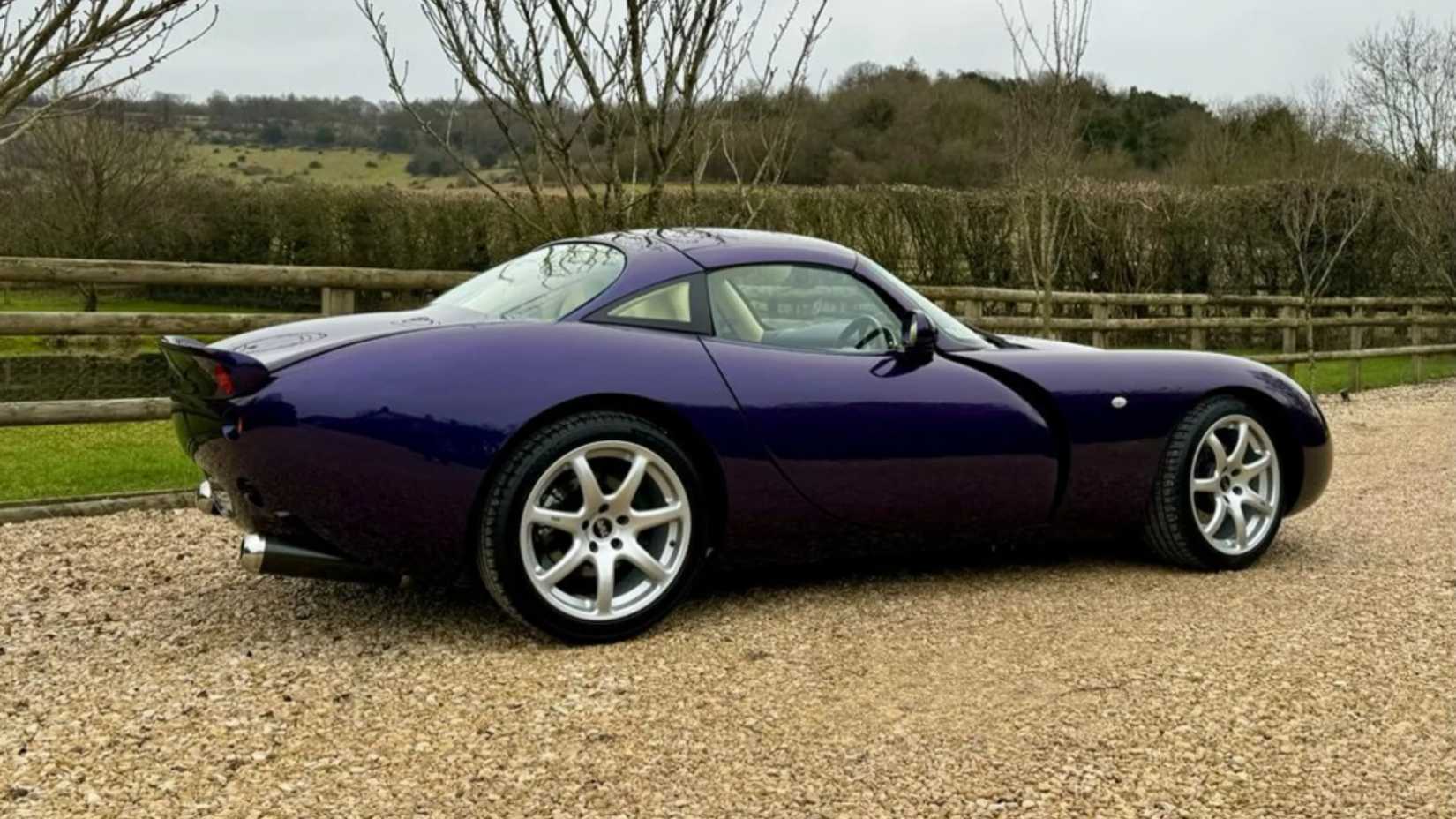
2003 TVR Tuscan S side static parked on gravel roadclassic.com
The Speed Six was characterized by compact dimensions, low weight, and fast throttle response: this allowed TVR to develop and perfect this engine until it became a record breaker. In its original incarnation, it only produced around 350 hp. However, this was gradually increased over the next few years. By the time the Speed Six was going out of production, it had broken the 400-hp barrier, gaining the title of most powerful NA inline-six engine ever produced.
Related
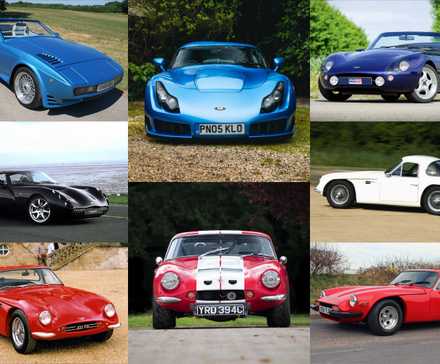
7 Of The Craziest TVRs Ever Built
Like AC Cobras, but nuttier.
TVR also used the Speed Six as the base for a few additional projects: two of these engines, joined together, went on to form the experimental Speed Twelve, which never made it to the production stage. There was also an attempt at creating a supercharged version of the Speed Six, which experienced cooling issues too large to overcome.
The Models That Used The Speed Six’s 400-HP Version
The Speed Six Engine was used in several TVR models over the years, and underwent a few updates throughout its lifespan. Power output started out at 350 hp, but by the time the Speed Six went out of production, its final versions were producing around 400 hp. This more powerful variant of the engine was installed in three models: the Tuscan S, the Sagaris, and the Typhon.
Tuscan S
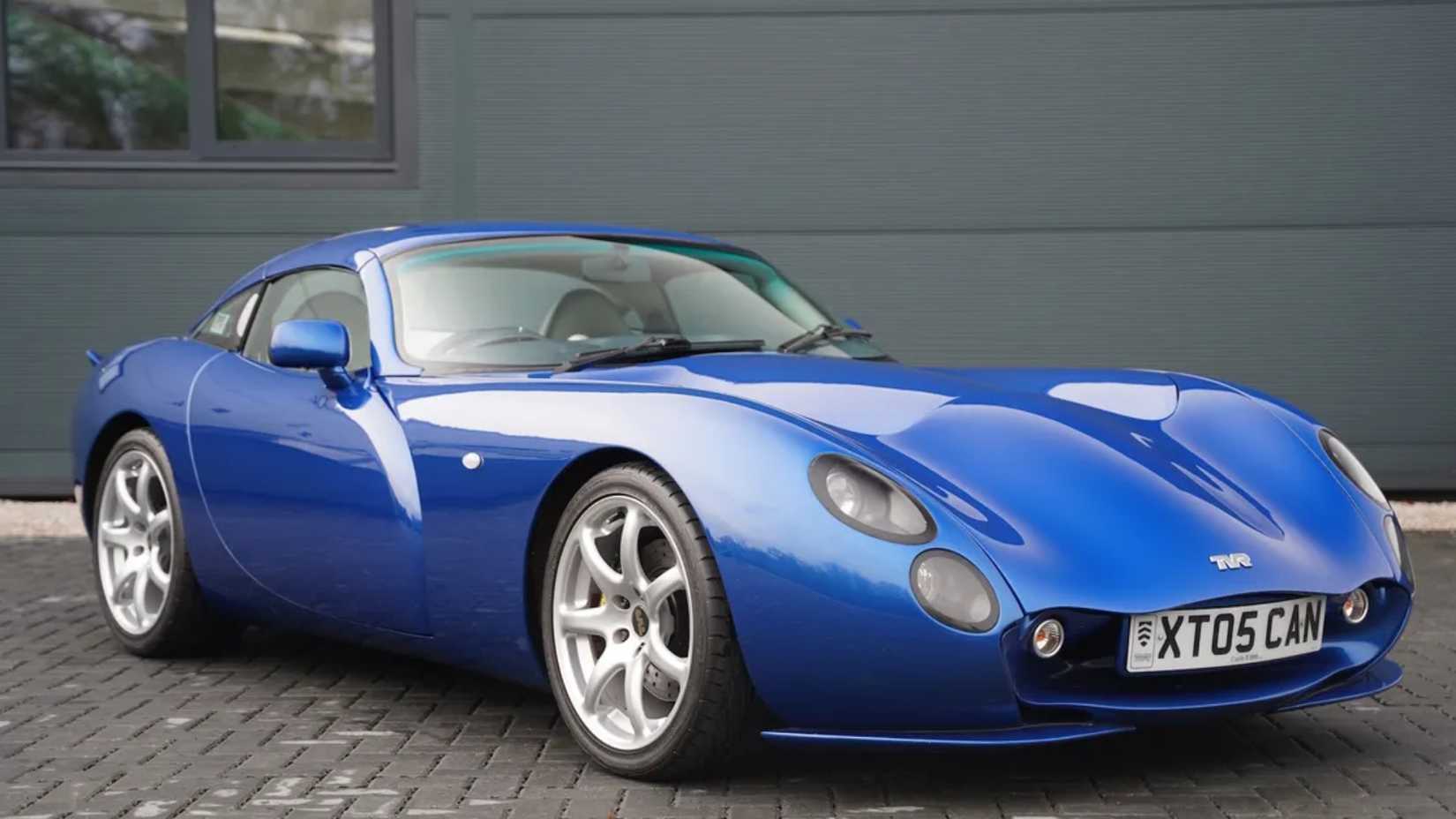
2003 TVR Tuscan S front angled staticclassic.com
TVR Tuscan S (400-HP Version) Specs
Engine
4.0-liter inline-six
Horsepower
400 hp
Torque
315 lb-ft
Transmission
5-speed manual
Years Produced
2003-2006
This car was a more powerful variant of the Tuscan Speed Six, a sports car introduced in 1999 and named after the original TVR Tuscan (which was produced in the late 60s and early 70s). The Tuscan Speed Six was equipped with the 4.0-liter version of the Speed Six engine. It originally produced 360 hp, while the “Red Rose” upgrade pack brought power output up to 380 hp. The Tuscan S was the most powerful version in the lineup, and was equipped with the version of the Speed Six engine that produced 400 hp. The Tuscan S also included other upgrades, most notably on the aerodynamic front, such as a rear lip spoiler to boost downforce.
Sagaris
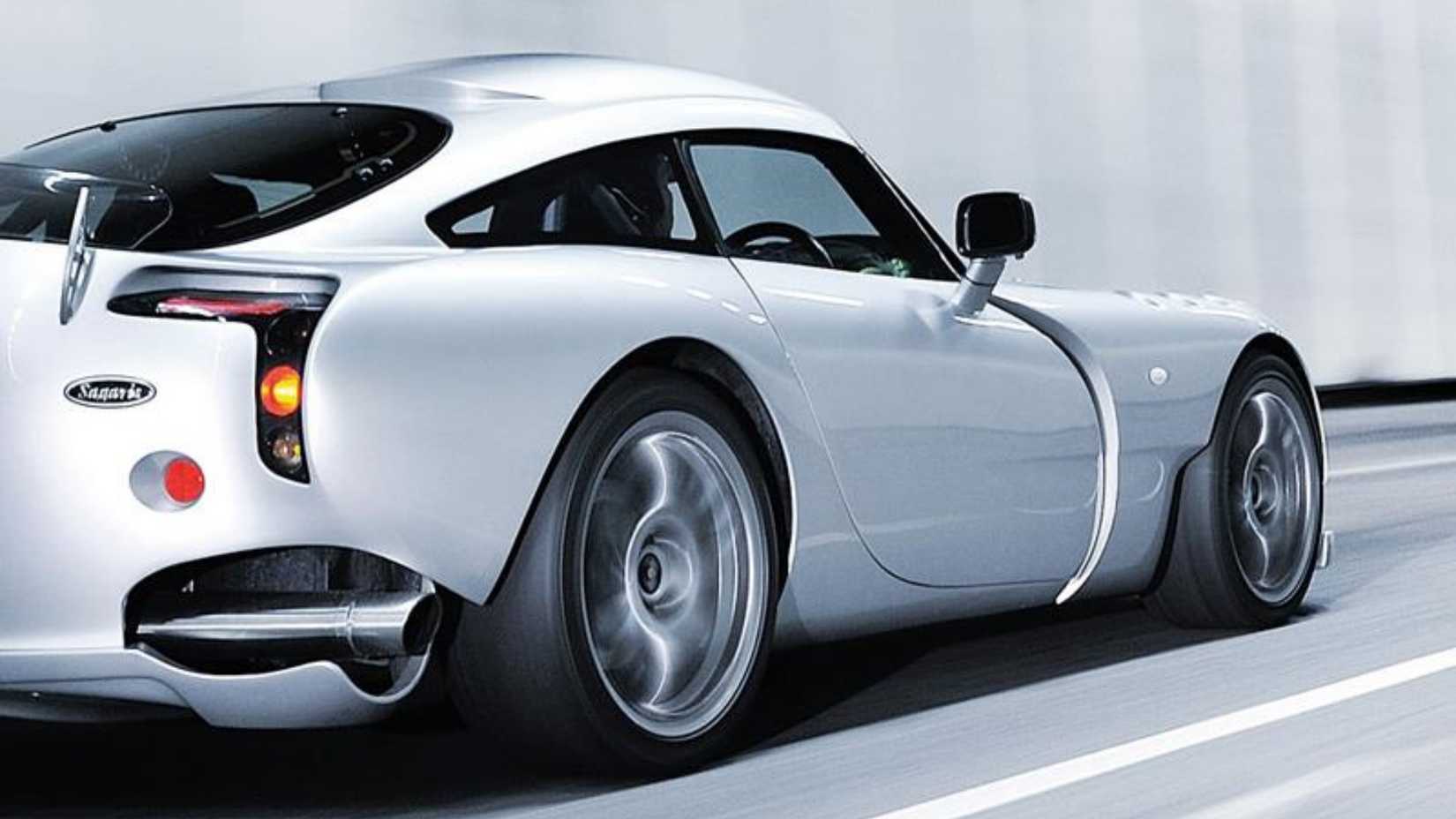
2005 TVR Sagaris rear angled view moving.TVR
The Sagaris made its debut in its earliest form in 2003, but did not go on sale until 2005. A sleek sports car, it was designed with the world of endurance racing in mind. Its bodywork design was oriented towards ventilation and cooling, with multiple vents and air intakes that allowed it to race for several hours without overheating. Its name comes from an ancient Greek battleaxe. The 4.0-liter Speed Six engine was, as in the Tuscan S, paired with a five-speed manual gearbox. The Sagaris is a rare animal, with only 211 units produced over the course of the model’s two-year production run.
Typhon
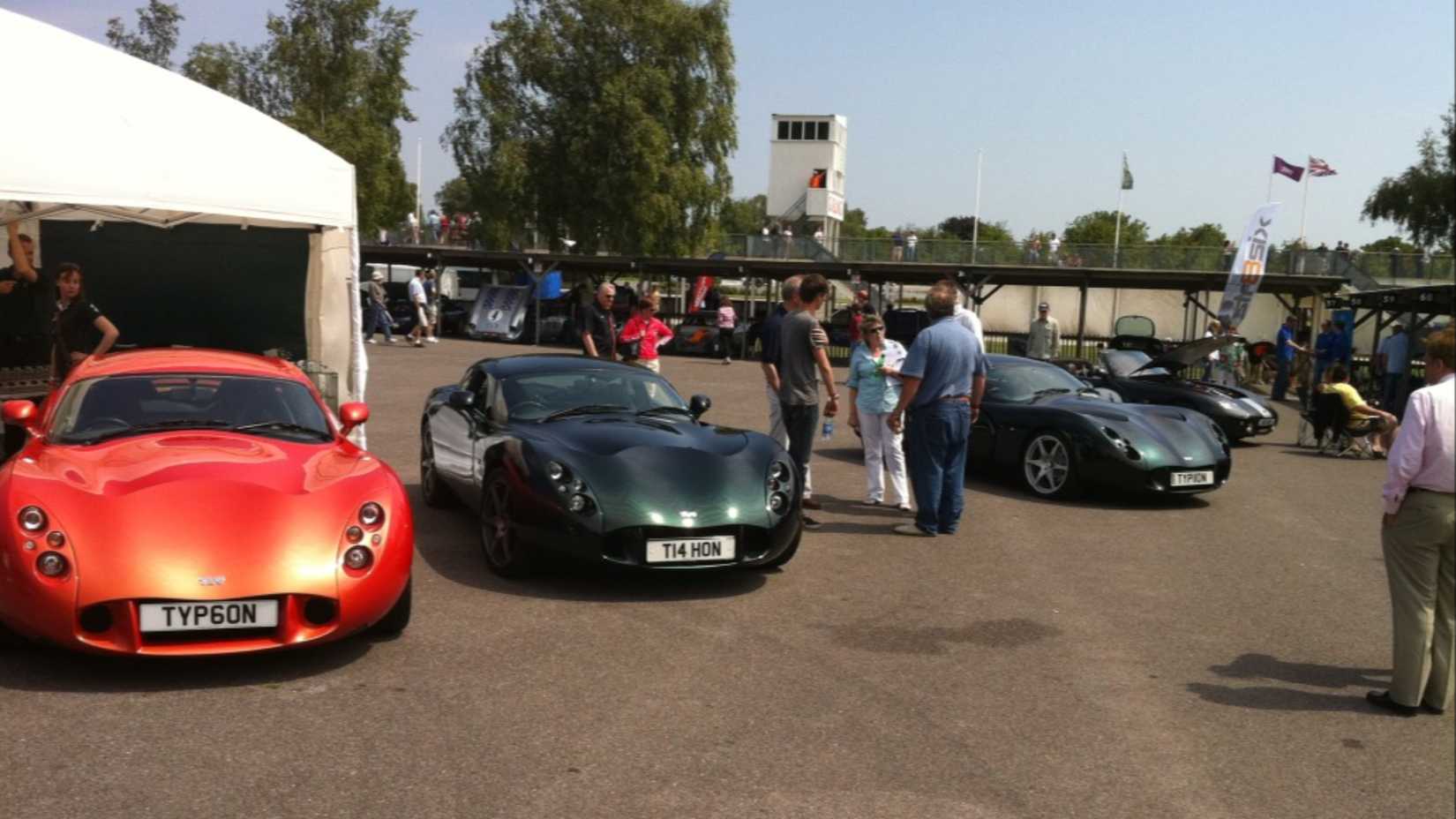
TVR TyphonTim Morris/Wikimedia Commons
The Typhon was not a production car, but a prototype of which only three units were ever built. TVR began working on what would become the Typhon at the turn of the millennium, as a project aimed at building a race car. The Typhon itself was announced in 2003 as a road-going equivalent, but before any Typhons could actually be sold, TVR’s owner, Peter Wheeler, sold the company, which put the entire project on ice indefinitely. The three prototype examples remain the only Typhons ever built.
Two Speed Six Engines Stuck Together: The Cerbera Speed 12 Prototype
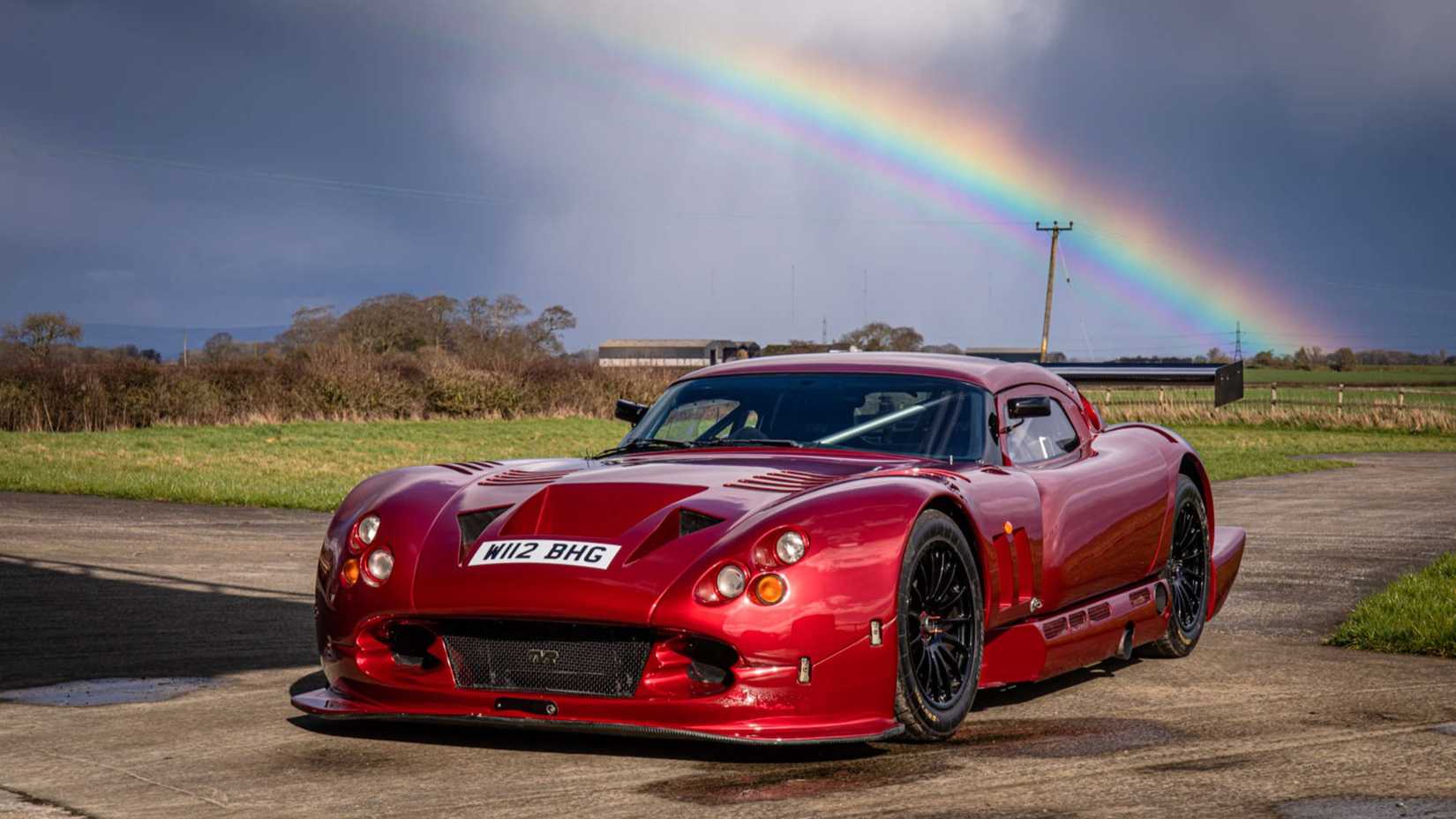
The one and only TVR Cerbera Speed 12 in existence. It sold for around $750,000 in 2023.Iconic Auctioneers
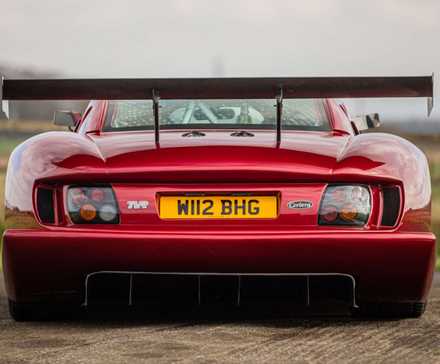
The Speed Six engine also served as the base for a truly bonkers one-off prototype, which never reached production as it was simply too unruly for even the most experienced owner to handle. The Project 7/12, based on the Cerbera, was introduced in 1996 at the Birmingham Motor Show in England. Its name was derived from its engine’s displacement (7.73 liters) and number of cylinders (12). The engine in question was the Speed Twelve: essentially, two Speed Six units grafted together. It produced 880 hp and was paired with a six-speed manual gearbox, which sent power to the rear wheels.
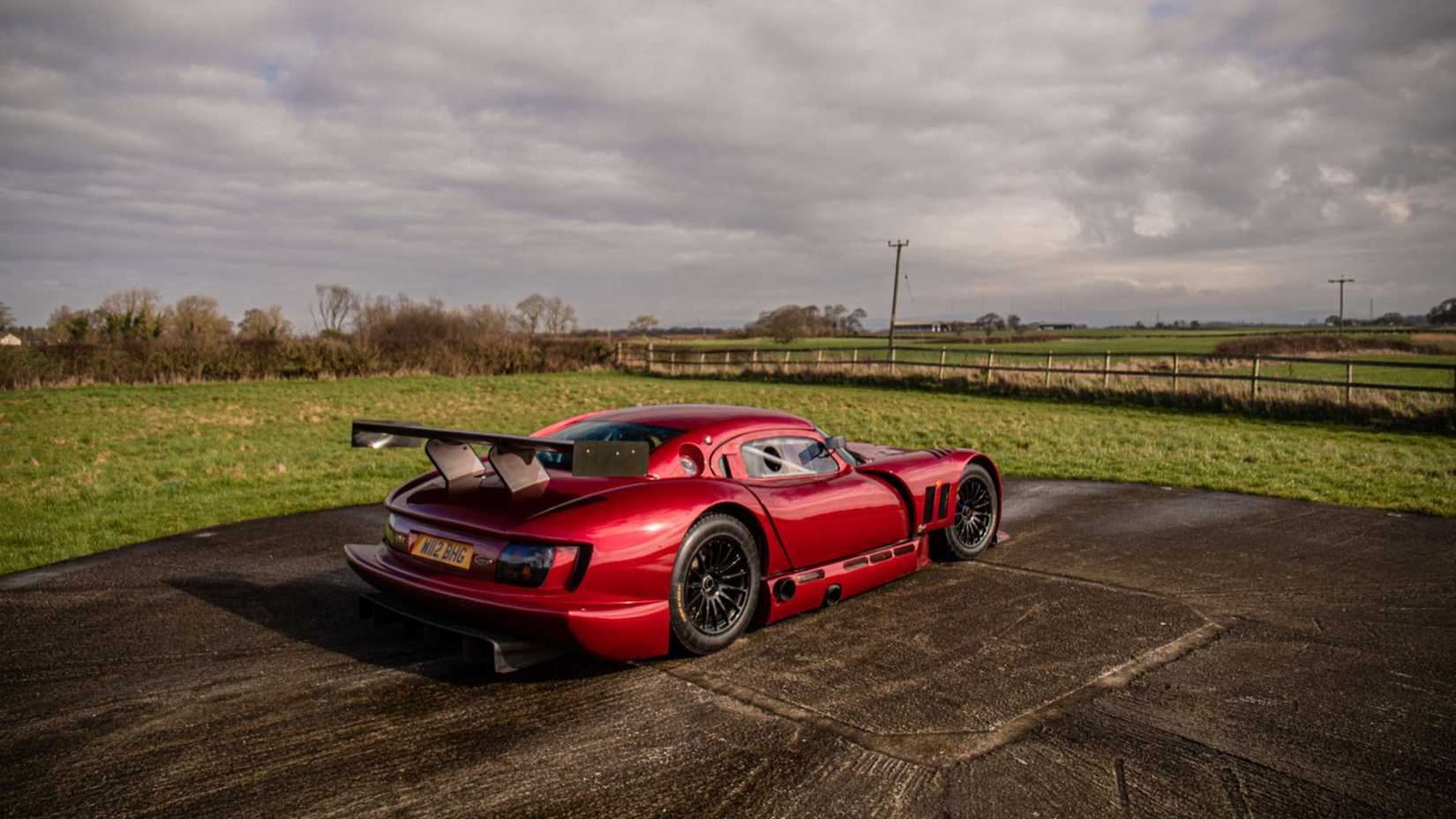
The one and only TVR Cerbera Speed 12 in existence. It sold for around $750,000 in 2023.Iconic Auctioneers
The original plan was for the initial project car to become both a production road car and a race car, built to compete in the GT1 class of endurance racing. The name Project 7/12 was changed to Speed 12. However, both branches on the project would not get very far: the Speed 12 was borderline undrivable, and its overly aggressive and hard-to-control character made it unsuitable as a road car. The GT1 motorsport category, meanwhile, went through a change in regulations which made it impossible for a racing version of the Speed 12 to compete. In the end, just three examples of the Speed 12 were built, only one of which has survived to the present day.
Related
You Can Legally Import One Of The Most Terrible – And Amazing – Sports Cars Ever Made
Thanks to clever automotive laws, you can now own the British sports car-grand tourer chimera.
A Turbulent Journey: A Brief History Of TVR
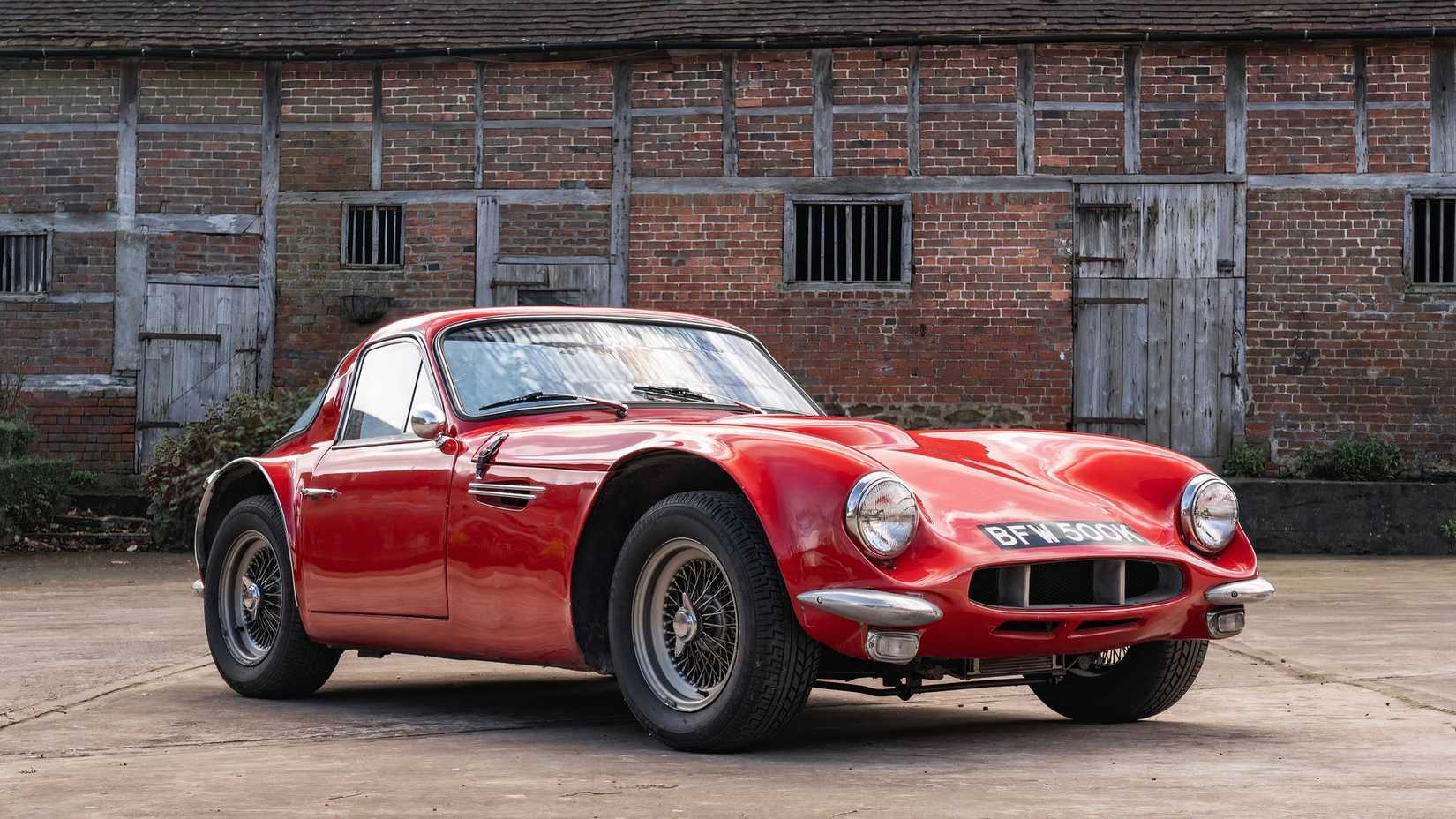
Front quarter shot of a 1966 TVR GriffithH&H Auctions
The company behind the Speed Six, TVR, is a small British automaker that may not be a household name around the world, but will certainly be known to dedicated car enthusiasts. This brand takes its name from founder Trevor Wilkinson, who started the company in 1946 under the name Trevcar Motors. The firm evolved rapidly throughout its early years, going from servicing cars and trucks to building its own vehicles. The name was also shortened to TVR.
The first TVR models arrived at the very end of the 1940s, and were simply called TVR One, Two, and Three. After a proper production line had been set up, the TVR Sports Saloon made its debut in 1953. Just over a decade later, however, TVR underwent a change in ownership after collapsing and being rescued. New owners, Arthur Lilley and son Martin produced several new models, such as the Tuscan (not to be confused with the 90s sports car of the same name), the Tasmin, and the Vixen.
Related
It Sure Looks Like TVR Is Dead, Again
The company’s CEO stepped down, and the silent company missed filing a financial report.
The company changed hands several times in the decades that followed. In the early 80s, Peter Wheeler, who had originally trained in chemical engineering, acquired TVR and launched models like the Cerbera, Chimera, and Tamora. Griffiths owned the company for 23 years, shaping its brand identity and helping it transform into the TVR we know today.
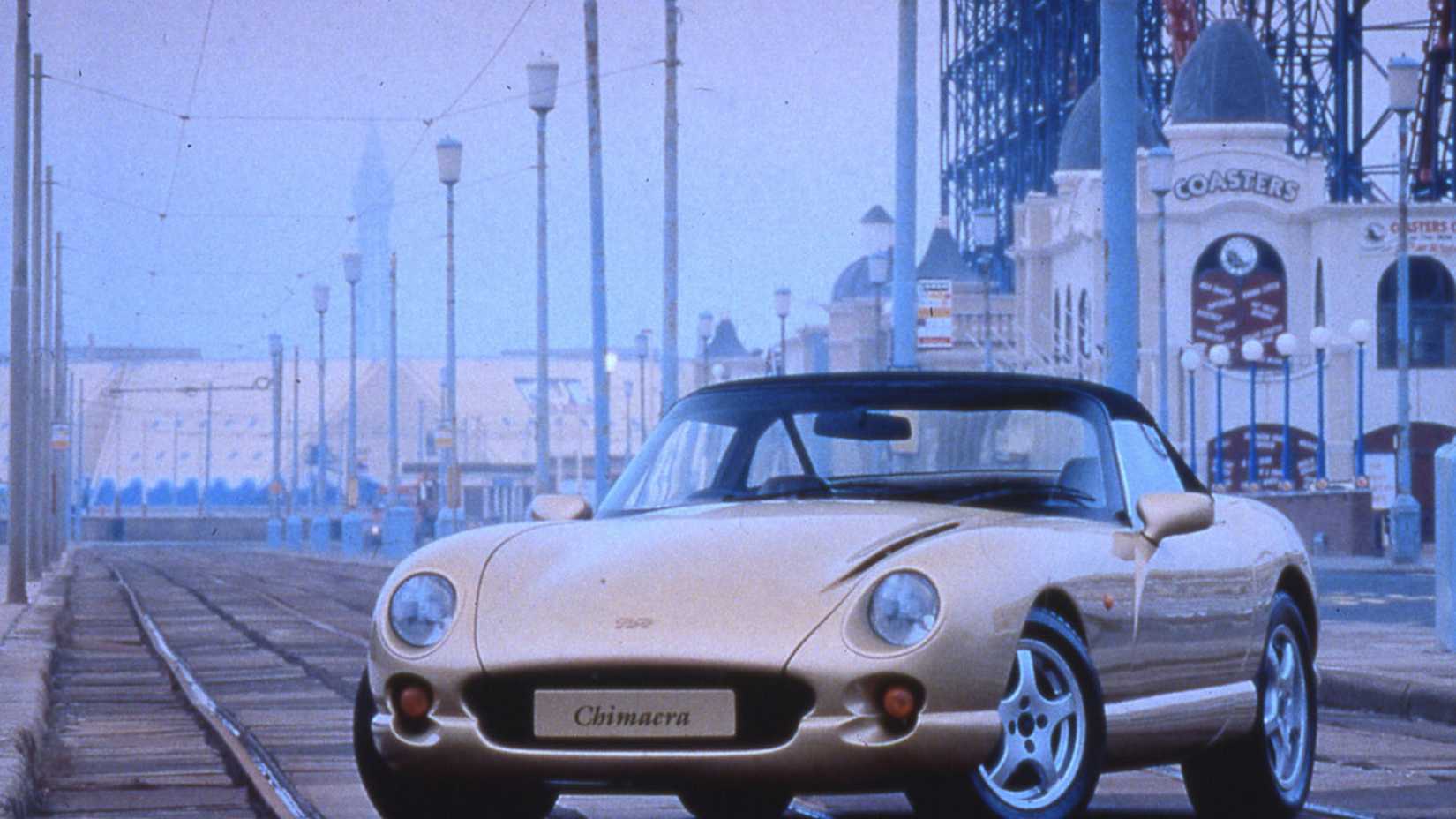
1994 TVR Chimaera Exterior Finished In Silver TVR
In 2004, Nikolay Smolensky bought the company, marking the start of a difficult and chaotic period. TVR was divided into smaller companies, moved several of its operations from the UK to Italy, and laid off several of its staff. Eventually, in 2013, the firm was rescued once again by business partners Les Edgar and John Chasey.
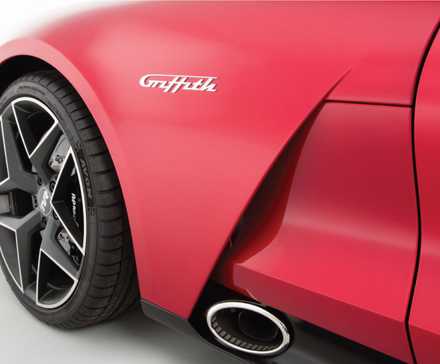
However, it looks like TVR’s struggles are far from over. The company is still going through difficulties: the new Griffith, which echoed the classic model of the same name, was launched in 2017 (with some help from Gordon Murray, who curated part of its design) but has not entered production yet. Last year, the business failed to file part of its paperwork with Companies House, the UK agency responsible for registering corporations. The company also lacks manufacturing facilities in which the new Griffith could potentially be built.
Sources: TVR