
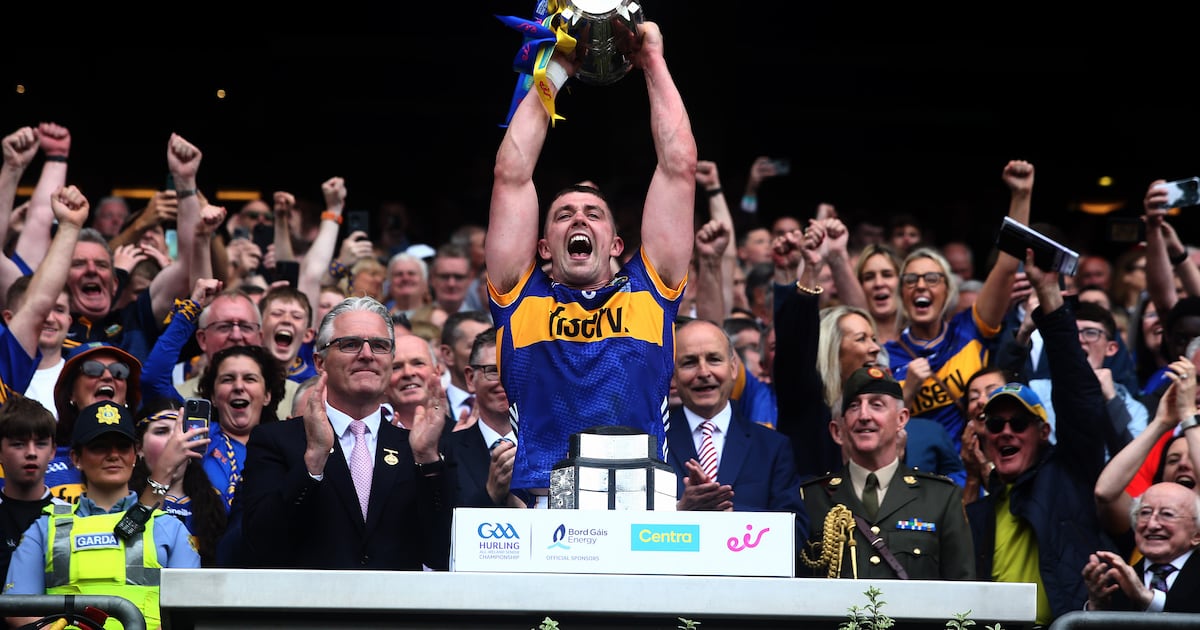
FROM ESPN’s epic ‘30 for 30′ series to ‘The Last Dance’ keeping so many captivated through the dark days of Covid, sporting documentaries have captured imaginations across recent decades.
In the GAA, however, they remain a relatively rare phenomenon.
‘More than a Game’ offered a rare glimpse behind the curtain when following the fortunes of the 1994 All-Ireland winning Down team, as well as providing a unique insight into the developing rivalry between Mullaghbawn and Crossmaglen at the time.
The brilliant ‘A Year ‘Til Sunday’ – filmed by Galway’s sub goalkeeper Pat Comer for their breakthrough All-Ireland success of 1998 – came later down the track, so too ‘Marooned’, the documentary that captured Paidi O Se’s year managing Westmeath to their sole Leinster title in 2004.
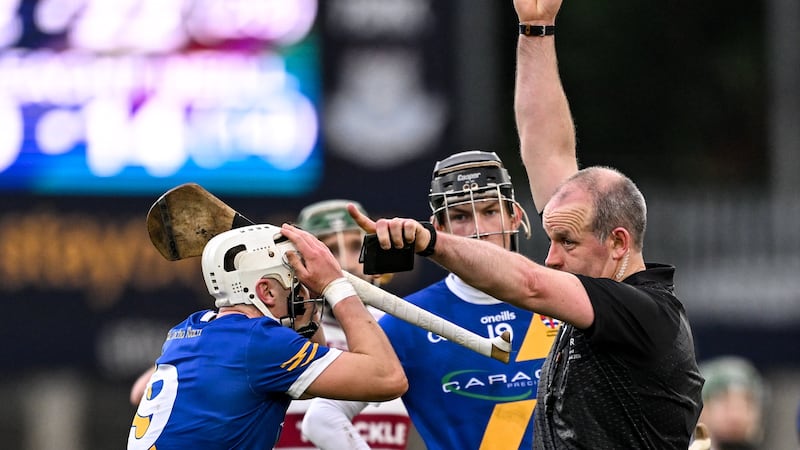
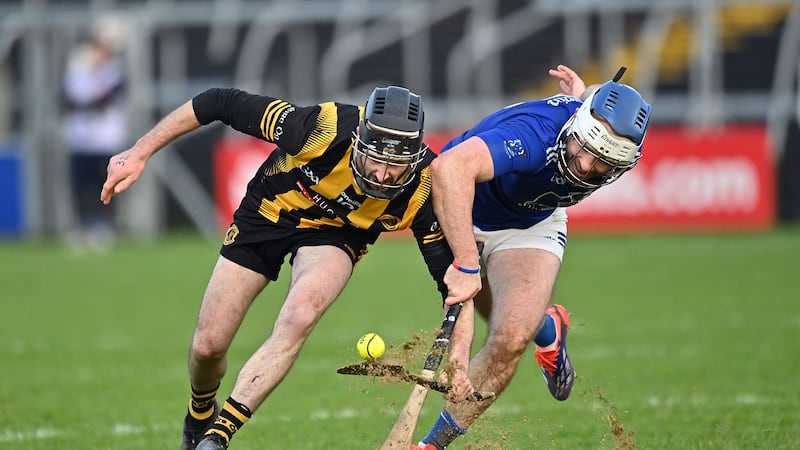
But other offerings have been few and far between as inter-county teams, in particular, became more professional in approach; an innate suspicion of allowing anybody in from the outside leading to what has largely been a closed shop.
That’s why it came as something of a shock – to most of the players, as well as punters – when a YouTube trailer appeared a few weeks ago that a new documentary charting Tipperary’s incredible All-Ireland triumph was being released on Monday.
‘Blue to Gold’, the brainchild of Tipp hurler Conor Stakelum, among others, and produced by Retake, includes footage from every stage of a campaign that saw Liam Cahill’s men rise from rank outsiders to the steps of the Hogan Stand.
Only a handful of players on the Premier panel were aware the documentary was under way, with Darragh McCarthy among those whose remarkable rollercoaster summer was captured.
Red carded in the opening seconds of a Munster championship clash with Cork in April, then sent for an early shower after receiving two yellow cards in the All-Ireland semi-final win over Kilkenny, his maiden season did not look destined for such a happy ending.
But, at just 19, his temperament held up on the biggest day of all – McCarthy finished the unforgettable final victory over the Rebels with 1-13.
“I’m looking forward to watching it and reflecting back on the year, see what hardship you went through,” he said.
“It’s something to do over Christmas anyway, keep away from the boredom.”
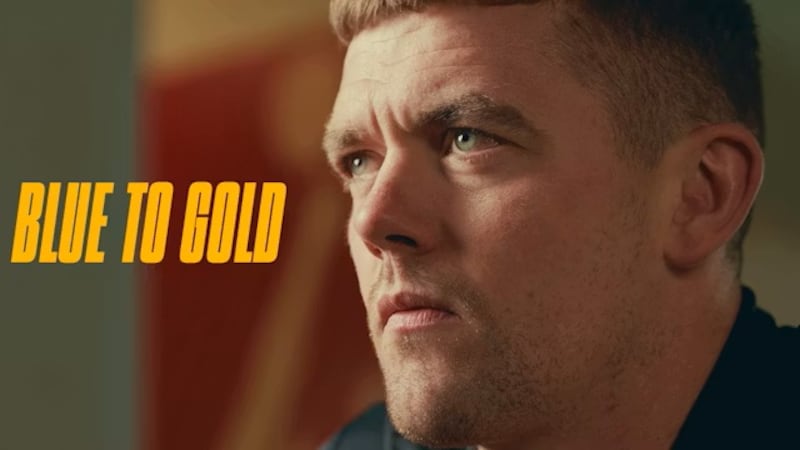 Documentary ‘Blue to Gold’ was released on Monday, December 22
With much of the footage captured by the likes of backroom team members Mick Clohessy and Damien Young, it wasn’t that participants were sworn to secrecy – but two-time All-Ireland winning midfielder Willie Connors admits it came as something of a surprise when the trailer emerged.
“Personally, and I’d say there’s a lot of us in the same boat, we didn’t know anything about it until we saw that. Within the group, there was only seven or eight knew about it.
“Now we have a few lads – Mick is a masseuse, Damien is stats – they’d always have cameras on the go… you know the way people go for a video before games to try and get the momentum and confidence going. Knowing what you had banked, they might show clips of that.
“But there was only one or two camera lads we had in every now and again; we didn’t take any notice of it, didn’t know what was coming, to be honest with you. There’s a suspense over it now.”
As they put in the hard yards ahead of the start of the new county campaign, Connors is under no illusions that it could raise eyebrows in some quarters – or even be used as a stick to beat them with in others.
But having a detailed account of such a memorable campaign can, to his mind, only be a good thing as the years wear on.
“That’s the highlight.
“I know other teams will see you doing it, and sure there’s a target on our head now, and they’ll say ‘these are going doing films’ or whatnot… notions. It’s all going to be spat out; fans will say it, our own lads will say it about us.
“But it could be a new thing coming in, and I think it’s a good thing. Because even if, say, Antrim won it in X amount of years, and they’d done a documentary that year, I’d love to see it. I’d love to see what they are doing on the inside.
“Or Limerick… Limerick probably have one done but maybe never released it. I’m sure there’s something there as well. I think it’s good for teams anyway, and it promotes our game.
“Like, I do chat to people abroad, and if you sent it on to them, they’ll see everyone is working all day, not home until 10 or 11, back up the next morning…
“I’m sure there’ll be a bit of slagging over it, but sure we’ll take it on the chin.”
Boss Cahill admits the footage is not “overly invasive”, but felt it was important for Gaelic games to evolve and be in a position to tell its own stories,
“The narrative out there, and the perception in the rest of the country, was that Tipp were a beaten docket,” said the man who led his native county to the Liam MacCarthy Cup.
“In the GAA we have to move with the times as well, because we have a sport that’s always evolving, has evolved hugely since I played 20-odd years ago; to see the standards these guys are at now, the sacrifices and the commitment and the resilience that’s involved to be an inter-county player in any county.
“Because what we’re doing in Tipperary is the very same as what’s being done with the Down senior hurlers, Antrim senior hurlers, they’re putting in the very same effort and I think it just gives a little insight as to what really goes on to be an inter-county player – either hurling or football – in the current climate.
“I think there’ll be a lot of interest in it from a curiosity point of view, and I think they deserve to see that. We want to move our sport forward and really hit not just an Irish audience, but people abroad as well… a lot of people living abroad looking at this from an amateur perspective would say they are remarkable people doing what they’re doing.
“That’s our culture and our heritage and that’s what we love doing – it’s part of our history and a part of our identity.”
The documentary is available to buy, or rent, at BluetoGold.ie