
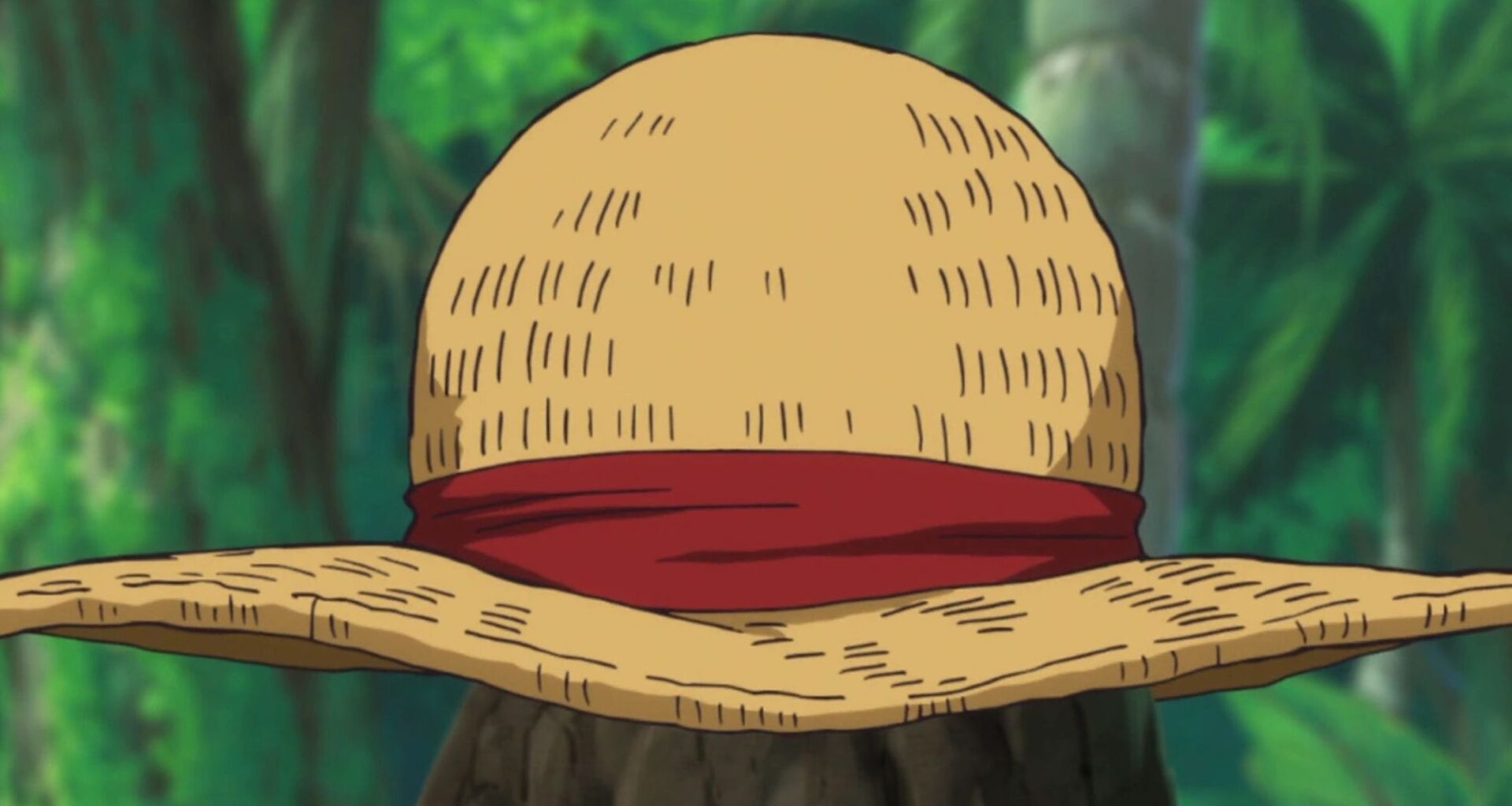
The anime industry has recently become mainstream; however, the foundation for anime reaching this status has been decades in the making. Sadly, one of the biggest runs in the anime industry, one that lasted for more than two and a half decades, is coming to an end today. This anime first began its run in October 1999 and has broadcast new episodes almost every Sunday since then, with only a few breaks along the way. The anime in question is none other than One Piece, arguably the biggest Shonen Jump anime and one of the biggest anime series overall. Produced by Toei Animation, the One Piece anime has accumulated more than 1,000 episodes, released weekly since October 1999.
Over the course of two decades, the anime went on breaks from time to time, but it always returned to continue the long legacy it had built. However, following recent changes, it has been officially announced by the studio that the anime will be transitioning to a seasonal release starting next year. While this change was somewhat necessary, especially to address long-standing issues with the anime, the biggest impact of this shift is the end of its weekly run. This marks a major turning point for the anime industry, as fans had grown accustomed to receiving new episodes regardless of the season.
One Piece Anime Brings Its Generational Run to an End Today
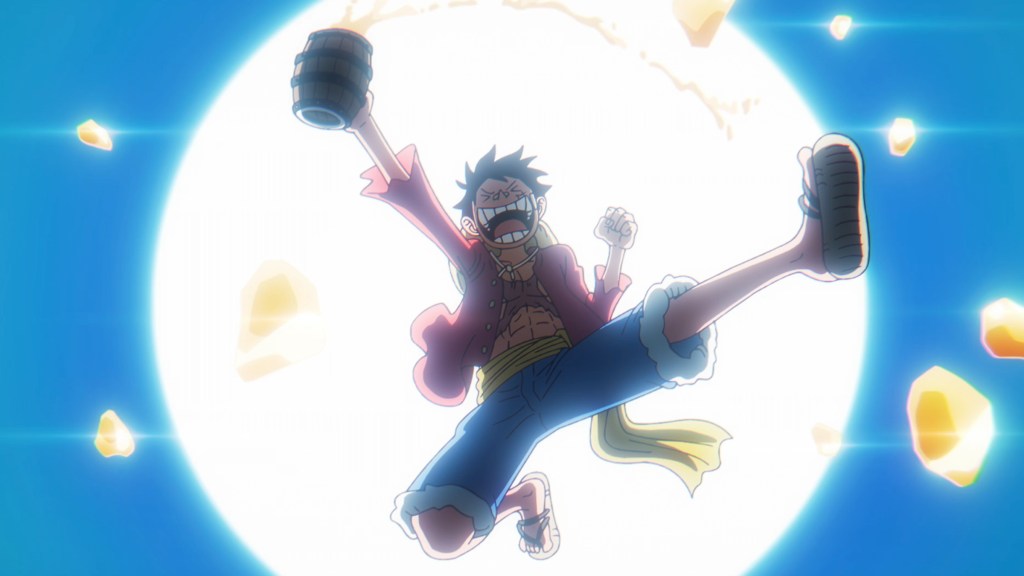 Courtesy of Toei Animation
One Piece aired its final episode, 1155, today, marking what can be considered the end of its first season, a generational season that has been ongoing since 1999. Few expected that an anime which built such a monumental legacy since its debut would ever align with a traditional seasonal format. However, on October 28, during a livestream by Toei Animation on their YouTube channel, it was confirmed that starting next year, when the anime begins adapting the Elbaph arc from the manga, it will shift to a seasonal model, releasing 26 episodes per year divided into two parts. While there were several reasons behind this decision, the most evident was the need to improve the anime’s quality, which requires more production time.
Although this change was necessary, it also brings an end to the unprecedented run the One Piece anime had built, and it is clear that there may never be another anime able to replicate the same feat. As the flagship of the Shonen Jump model, One Piece’s run did more than simply exist; it steadily laid the foundation for the magazine’s dominance and encouraged the rise of countless anime and manga series. Its creator, Eiichiro Oda, has become a major source of inspiration for other mangaka, with One Piece’s longevity influencing series such as My Hero Academia, Jujutsu Kaisen, and many others that carry traces of its legacy.
Furthermore, the One Piece anime’s weekly release was not merely a routine, as its long run allowed it to develop deeply interconnected narrative threads that captivated fans over the years. At the same time, the anime’s quality continued to improve, with recent years showcasing production values that rival, and at times surpass, those of many seasonal anime. However, achieving such quality demands more time and care, ultimately leading to the conclusion of its generational run. After 1,165 episodes and more than 26 years of airing weekly on Sundays, with only a few breaks along the way, today, December 28, 2025, marks the end of One Piece’s historic weekly era, paving the way for its evolution in the future.
What’s Next for One Piece Anime?
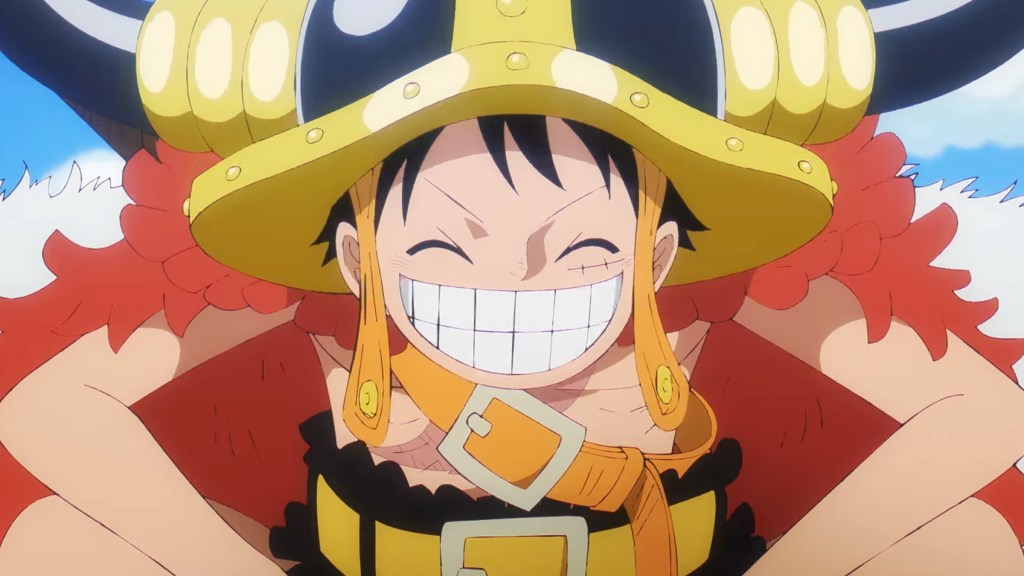 Courtesy of Toei Animation
Though One Piece’s generational run has come to an end, the anime series is far from over. The anime is set to return in April 2026, adapting the Elbaph arc, which is currently being depicted in the manga and is approaching its climax. Elbaph is rumored to be one of the final arcs before the series enters its final war; however, the manga has not yet implied that it is nearing its conclusion. As a result, the new seasonal format beginning next year is expected to run even longer than the manga itself.
There is no clear indication of how long the anime will continue, but it is certainly still several years away from ending, and it is increasingly possible that fans may see it continue until 2030, especially now that the series has adopted a seasonal release model. If there is any takeaway from this shift, it is that while One Piece’s weekly, generational run has ended today, the anime will return in a new form. With a seasonal format, its longevity may actually increase, ultimately allowing it to build an even longer-lasting legacy.
What do you think? Leave a comment below and join the conversation now in the ComicBook Forum!