

The Ultimate Easy and Healthy Kitchen Clean-out fcafotodigital – Getty Images
“Hearst Magazines and Yahoo may earn commission or revenue on some items through these links.”
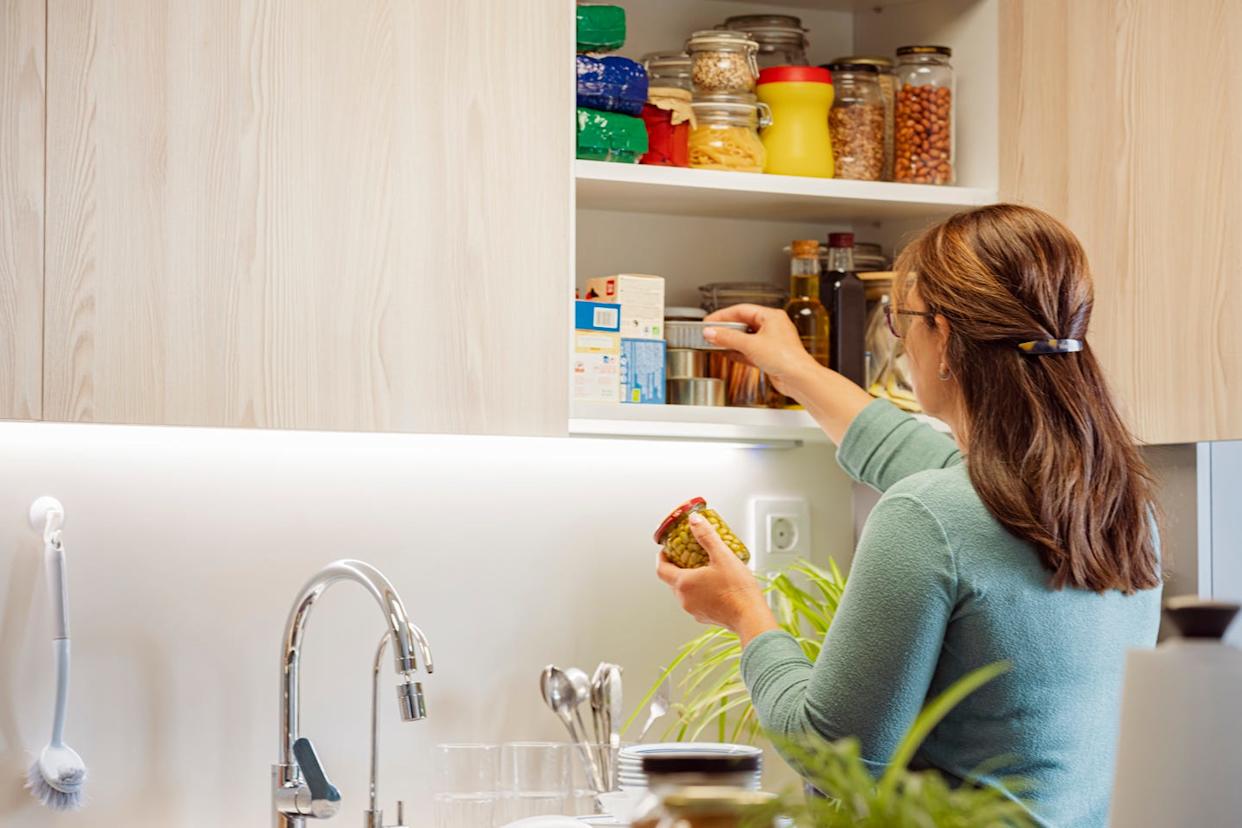
Imagine opening your fridge and seeing nothing but fresh, delicious, healthy food. Those hot dogs that have been tempting you for months? Gone! The moldy carrots you forgot about in the crisper? Vanished! Now check out your pantry–those half-eaten bags of cookies have also disappeared! So have the ice-caked chicken legs living in your freezer that were probably old enough to vote.
Luckily, you can make this dream a reality by doing a kitchen clean-out and restock. It’s surprisingly easy to revamp your inventory, getting rid of the food you don’t need and replacing it with good-for-you options because there are lots of them–even packaged foods. “Not everything in a package is unhealthy,” says Dawn Jackson Blatner, R.D.N., C.S.S.D. “In fact, many packaged foods are wholesome foods just made convenient.”
The key is to restock your kitchen with nutritious food that you’ll actually eat to save money. According to a 2025 report from the US Environmental Protection Agency, wasted food costs American families more than $1,500 a year. In times of food insecurity, you can also help other families by donating unused non-perishables.
To make the process as seamless as possible, we consulted experts and put together this guide on what to keep, what to purge, and what foods to buy that you’ll be able to use in a multitude of healthy meals. This kitchen reboot that will boost your nutrition, save you money, and ensure you’ve got lots of delicious eats handy, all the time!
fcafotodigital – Getty Images
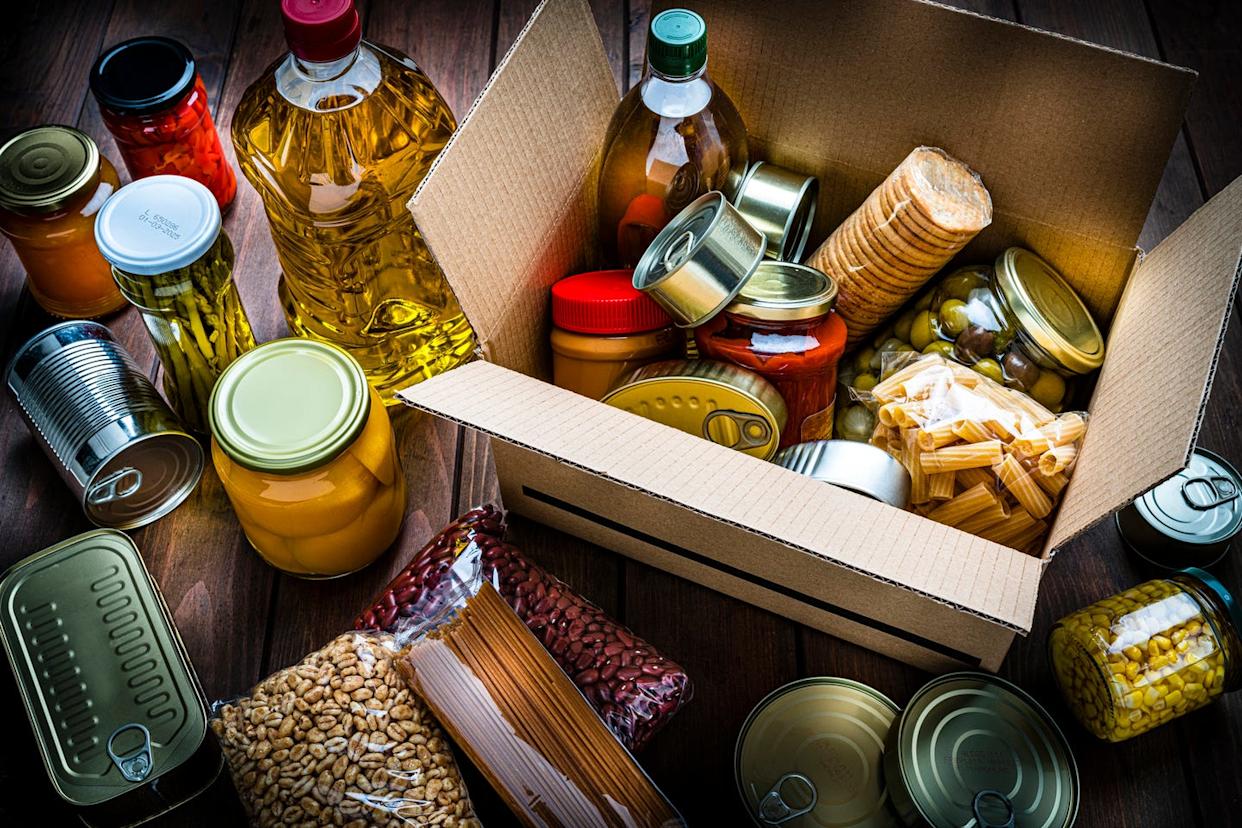
Pantry Foods: What to Remove
First, throw out any open bags or boxes of food that haven’t been eaten in 1 to 2 weeks like bread, crackers, or snacks. Air and moisture has probably affected quality by that time, which can make these foods moldy or stale.
Next, check the dates on all canned goods in your cabinets and toss everything that’s expired. Adhere to specific dates on cans, jars, and packaging for the most accuracy whenever possible. If the date is unclear, here’s how long some common shelf-stable foods stay safe to consume, according to the U.S. Department of Agriculture’s (USDA) Food Safety and Inspection Service:
Low-acid canned goods like meat and poultry, stew, soup (except for tomato soup–check your can for the date), pasta, potatoes, corn, carrots, spinach, beans, beets, peas, and pumpkin: 2 to 5 years
Rice and dried pasta: 2 years
High-acid canned goods like juices, vegetables, fruit, pickles and sauerkraut: 12 to 18 months
Home-canned foods: 12 months
If you aren’t sure how long you’ve had a particular item, throw it away to be safe. Also, if you find any can that’s leaking, bulging, or with a dent deep enough to fit your finger in, get rid of it. It could be contaminated with Clostridium botulinum, a potentially deadly toxin.
Then, get rid of foods that are generally too unhealthy to be kept if you’re striving for a more nutritious pantry. This includes ultra-processed foods (UPFs) such as cookies, doughnuts, potato chips, soda, and some breakfast cereals and bars. There’s no single definition for UPFs, but Mayo Clinic says they typically have these things in common:
Added sugar, salt, oils, fats, stabilizers and preservatives
Additives that imitate the flavor, color or texture of less processed foods
Ingredients not found in nature, like high fructose corn syrup
As Blatner points out, not all packaged food is bad for you, but following the above guidelines is a great way to evaluate whether a food lacks nutritional value.
Pantry Foods: What to Keep/Buy
Which processed foods are actually OK to keep in your pantry? “No- or low-sodium beans, lentils and peas are great fiber and protein options that are ready in minutes,” says Sue-Ellen Anderson-Haynes, MS, RDN, CDCES, a spokesperson for the Academy of Nutrition and Dietetics and the owner of 360Girls&Women and B.E.A.T. Gestational Diabetes. “Tomato-based pasta sauces that are low in sodium and have no added sugar are also a healthy choice for when you can’t make sauce from scratch.”
Some grains are also smart to prioritize. “A variety including bulgur, quinoa, brown rice, millet, and buckwheat will keep you regular,” says Anderson-Haynes. Blatner also suggests that rolled oats, sprouted whole grain bread (initially sold frozen for freshness) and whole grain pasta are nutritious options.
Here’s a list of pantry foods that our experts recommend for a healthy, cost-efficient, and versatile restock:
No-or low-sodium canned or jarred soups and vegetables
Pasta sauces that are low in sodium and added sugar
Canned or pouched tuna and salmon
Whole grains (like bulgur, quinoa, brown rice, millet, buckwheat, rolled oats, and some crackers)
Dark chocolate chips (for snacking, or with fruit or yogurt)
ilkermetinkursova – Getty Images
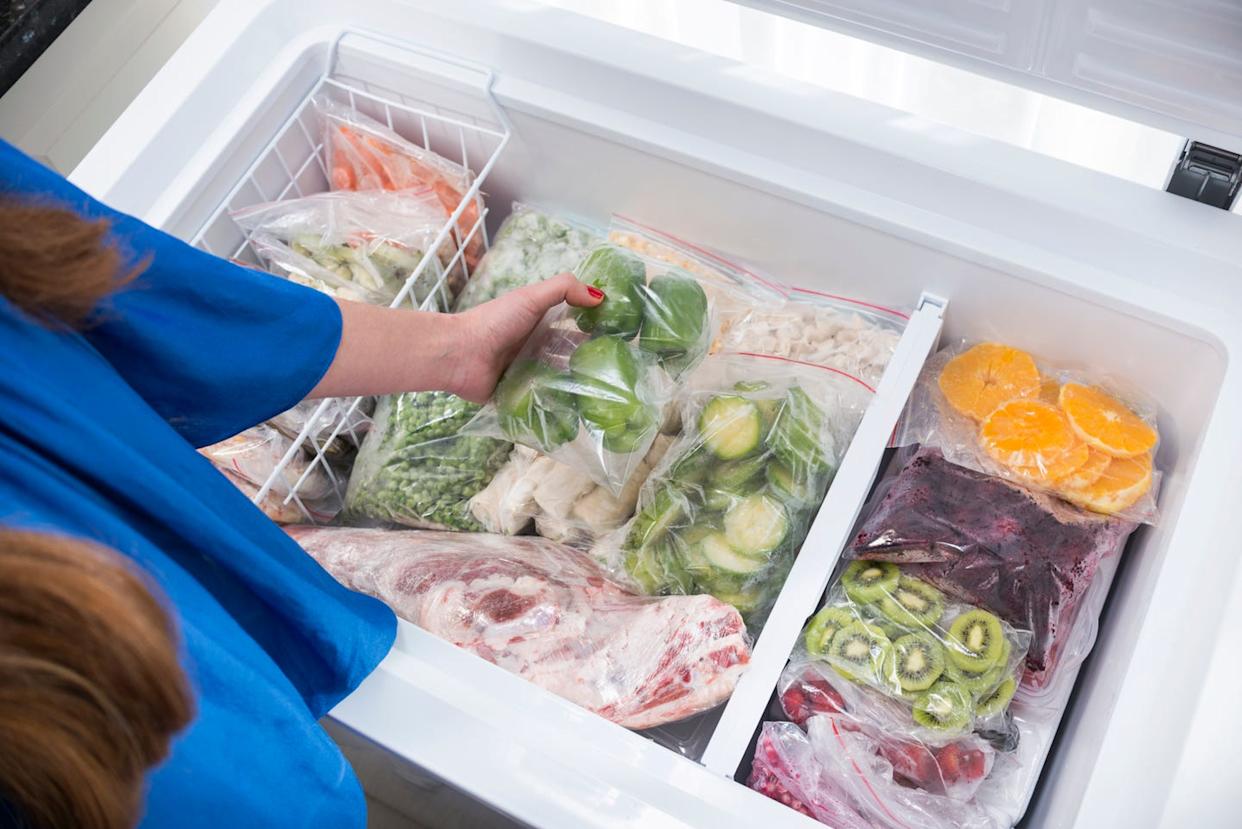
Frozen Foods: What to Remove
Begin by checking the dates of any packaged frozen foods. If something is expired (or ultra-processed), you shouldn’t hang on to it.
Then, give special consideration to any meat you have in your freezer. A recent Chinese study found that freezing and then thawing meat can cause ice crystals to form and melt, which damages the meat’s muscle cells and destroys its nutritional value so it’s best not to store meat in the freezer for too long. Here’s how long some common meats can be safely kept in the freezer:
Throw away any meat that smells rancid or looks discolored, or if you simply can’t remember when you froze it to avoid any foodborne illness.
Frozen Foods: What to Keep/Buy
Your best bet: fruits and veggies. “Frozen produce is just as nutritious as fresh, and can be more budget-friendly and convenient,” says Marisa Moore, MBA, RDN, LD, a nutrition expert in Atlanta. Bagged fruit is especially great—you can thaw it out for a delicious breakfast, or use it to make smoothies. “Frozen cherries, blackberries, raspberries and strawberries are essential to stock up on in winter when they are not in season throughout most of the US,” says Moore.
When it comes to vegetables, Moore has a favorite one. “Because they’re less commonly found fresh, frozen sweet peas are an excellent option to stock up on for a quick, fiber-rich side dish,” she says. Our experts also recommend frozen veggies like broccoli and spinach, frozen cauliflower rice, and frozen edamame as particularly vitamin-rich choices that go with many meals and recipes. Anderson-Haynes suggests working frozen veggies into homemade soups, stews and chilli, which you can then freeze for quick lunches and dinners.
Plus, the more produce you eat, the lower your chance of catching a virus, research shows. “Nutrients are needed especially during the winter months when cold and flu season is in full swing,” says Anderson-Haynes. “Choose frozen fruits like berries and pomegranates, and veggies like spinach and butternut squash as these are excellent sources of antioxidants like vitamin C and beta carotene.”
nataistock – Getty Images
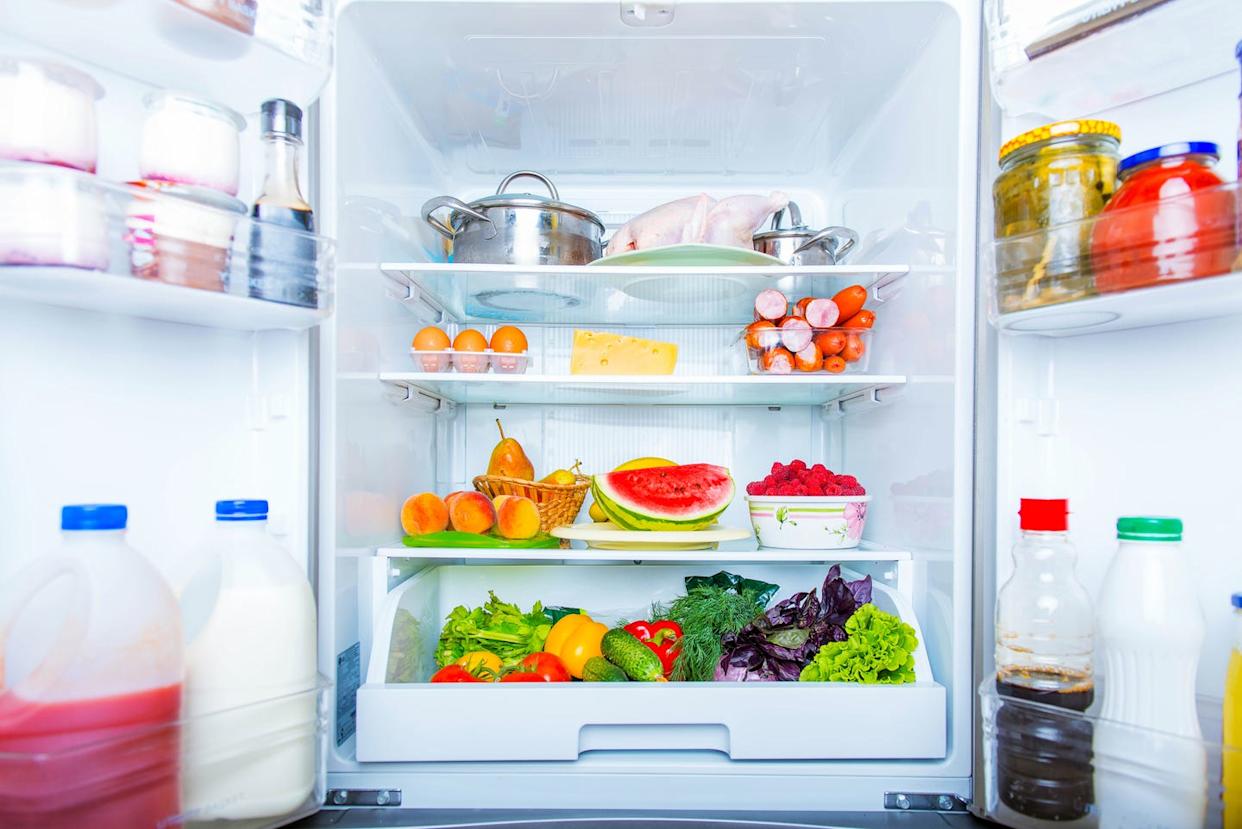
Refrigerator Foods: What to Remove
First, know this: Leftovers are dicey. With time, they not only lose freshness, they can potentially cause foodborne illness. Toss any leftovers that have been in the fridge for more than 3 to 4 days, advises the USDA. For fresh ingredients like meats and eggs, the USDA has a list to help you determine when they should be replaced, although the recommendations are pretty conservative.
Refrigerator Foods: What to Keep/Buy
First, think about what produce is freshest right now because it may be the most affordable. For instance, in winter, “stock up on fresh seasonal fruits like pears and vegetables like Brussels sprouts,” advises Moore, who also suggests storing walnuts in the fridge for tasty, out-of-the-box protein.
Then, consider replacing higher-fat dairy products with more nutritional alternatives. “Healthy refrigerator staples to have on hand are plant-based yogurt and milk,” says Anderson-Haynes. “Greek yogurt is good for a protein-packed breakfast or snack, or as the base for a variety of smoothies, dips and sauces. Also, tofu or tempeh and veggies like leafy greens can be used to make several meals.”
When planning your weekly menu, focus on lean meats like chicken breast and fatty fish like salmon. Just make sure you cook or freeze them before they go bad. Also, you can almost never go wrong with eggs. “Hard-boiled eggs are an excellent, easy-to-store protein source to keep on hand,”Moore adds. “Simply boil a batch at the beginning of the week. Unpeeled, eggs will stay fresh in your refrigerator for up to seven days.”
Lastly, don’t forget about flavor bombs. “Sauces and dressings can turn any boring chicken or veggie meal into something special,” says Blatner. “Think ranch dressing, caesar dressing, salsa, teriyaki sauce, buffalo sauce, hummus, chili crisp, pesto, flavored mustards, and mini avocado/guacamole cups.” Just be mindful of added sugar in condiments and sauces.
What about donating food?
Contact your local food bank, or find service organizations in your area through a national resource like Feeding America. Ask if an organization has specific needs at the moment, and inquire about donation rules and restrictions.
What foods are the most helpful to donate, in terms of health benefits and long shelf life? “Whole grains like oats are ideal,” says Moore. “Oats are an excellent source of beta-glucan, a soluble fiber shown to help manage blood sugar, reduce blood cholesterol levels and support heart health. At 4 grams of fiber per serving, whole oats provide plenty of fiber plus protein for a satiating meal any time of day.”
Moore also points out that non-perishable proteins are excellent to donate. “Canned, jarred or pouched tuna, sardines and salmon are packed with protein and good fats and with a long shelf-life,” she says. “Canned or pouched beans, chickpeas and lentils are perfect plant-based protein sources that can be easily used to create a variety of meals, from bean salads to soup or chili and bean burgers. Also, shelled nuts and seeds are a heart-healthy option that can be enjoyed as a snack or added to meals. Similarly, nut and seed butters are shelf-stable and perfectly portable. You can also donate shelf-stable (UHT) soy milk as a protein-rich dairy alternative.”
The bottom line
A kitchen clean-out may feel daunting, but it’s a worthy task to do at the beginning of the year and you don’t have to do it all at once. Go through one section of your kitchen at a time to make it more manageable. In the end, it could be good for your well-being and your wallet while also helping out others in your community.
You Might Also Like