
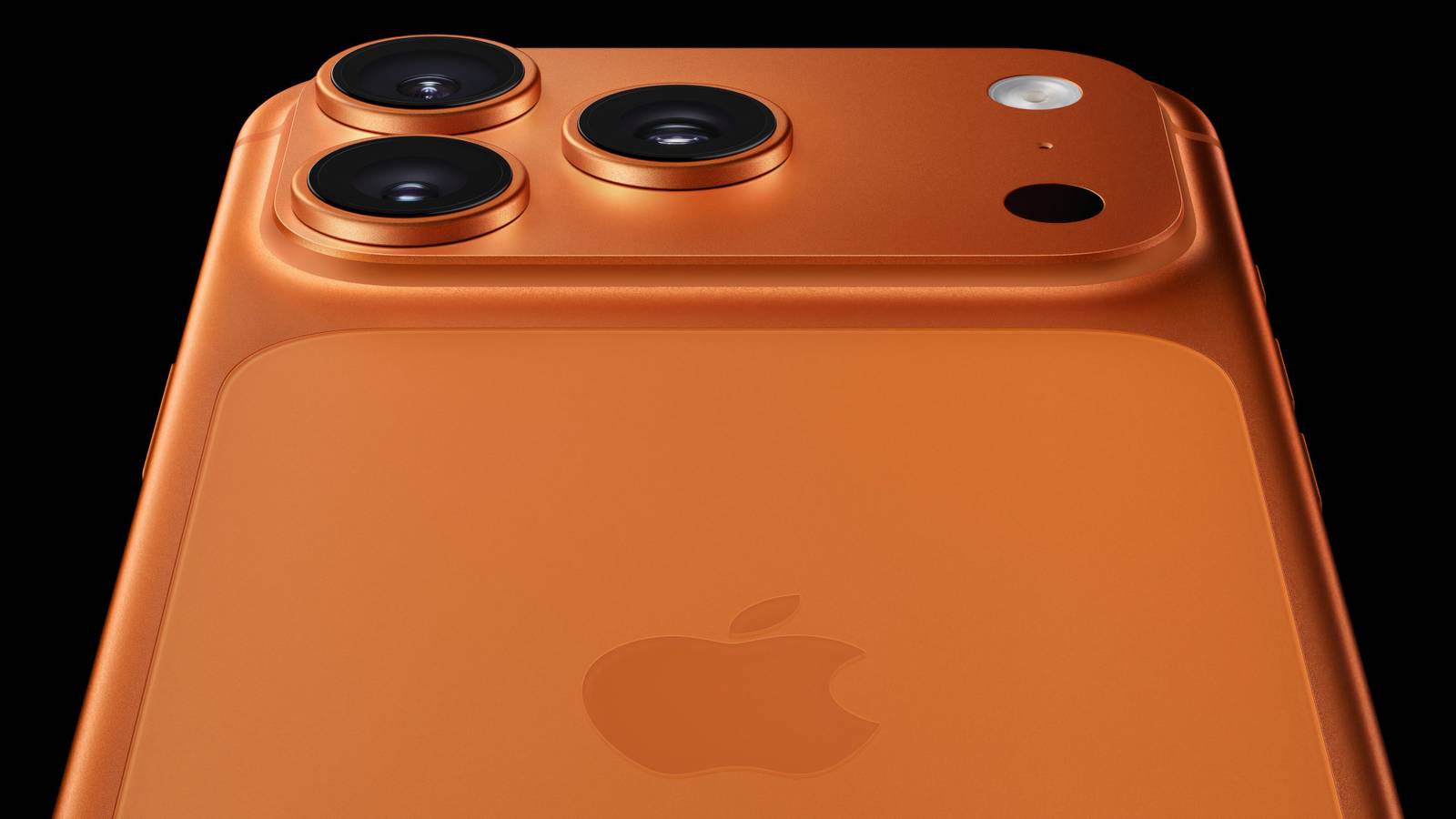
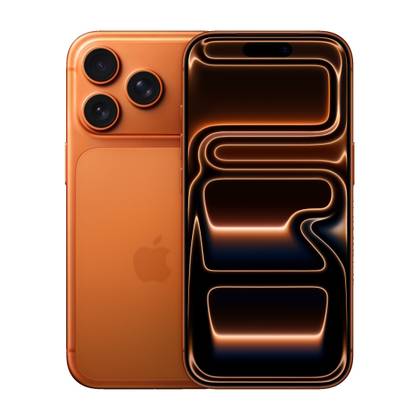
Unsatisfied with inelegant terms like “lens bump,” Apple has seen fit to rebrand the iPhone 17 and Air’s thickest section as the “camera plateau.”
While this might sound like little more than an exercise in marketing, there’s a bit more to this “feature” than lenses and sensors. In fact, the camera plateau might be responsible for some of the new iPhones’ biggest gains.
It’s Never Been Called a Camera Plateau Before
Let’s acknowledge one fact right away: the term “camera plateau” is a new one. With the ease with which Apple dropped the term into its 2025 iPhone keynote, you’d be forgiven for thinking the term had been completely normalized beforehand. But no, you’re not mad. Maybe Apple’s been using this terminology in-house for a while, but this is the first time we’ve heard this section referred to as a plateau. And it does make sense given the word’s literal meaning.
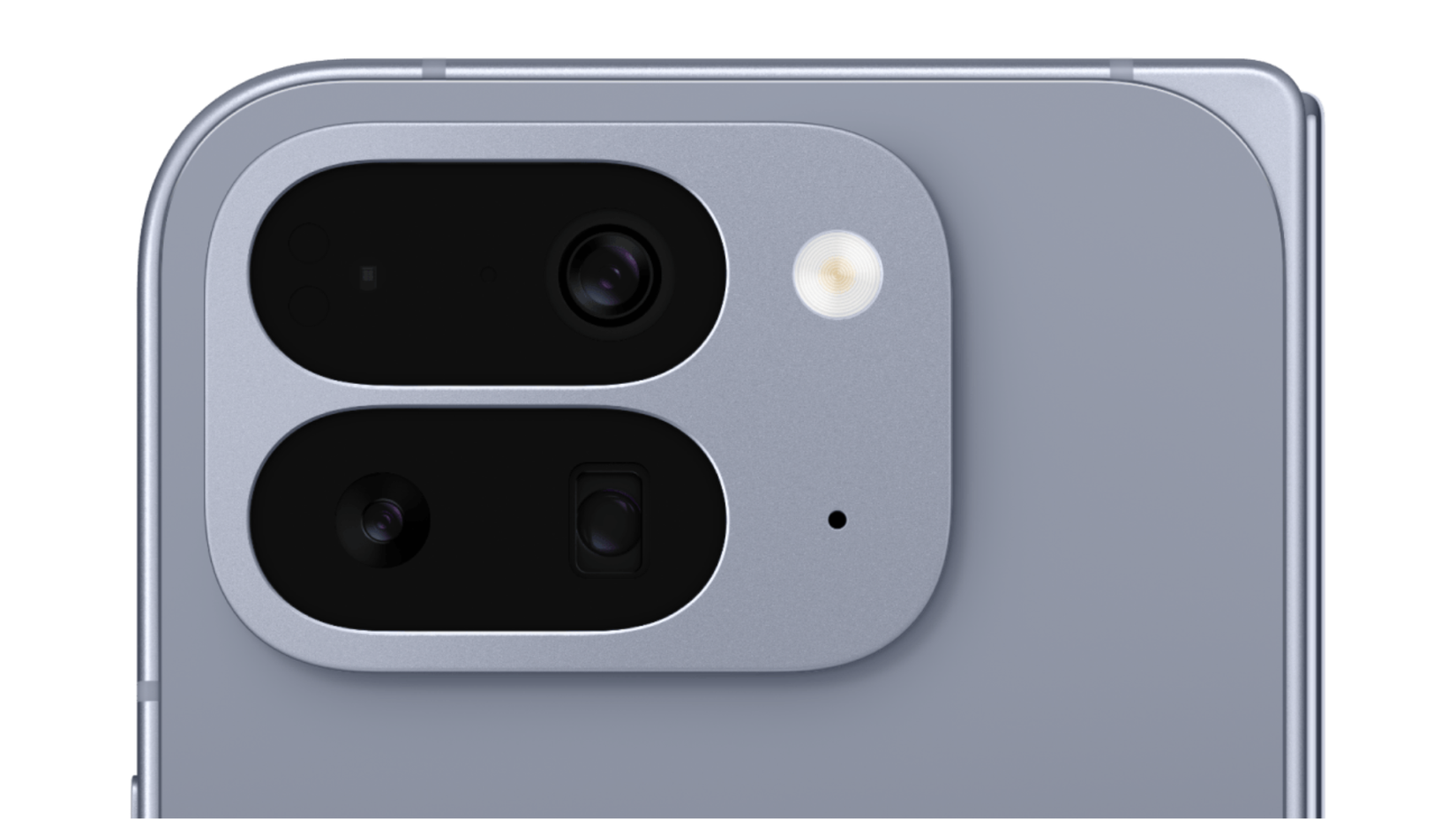
For most of us, this was “the bit where the lens sticks out” or “the reason your iPhone won’t sit flat on a table” for the longest time. In fairness, Google did try to improve on this with the Pixel’s “camera visor,” terminology the company used in its own marketing materials.
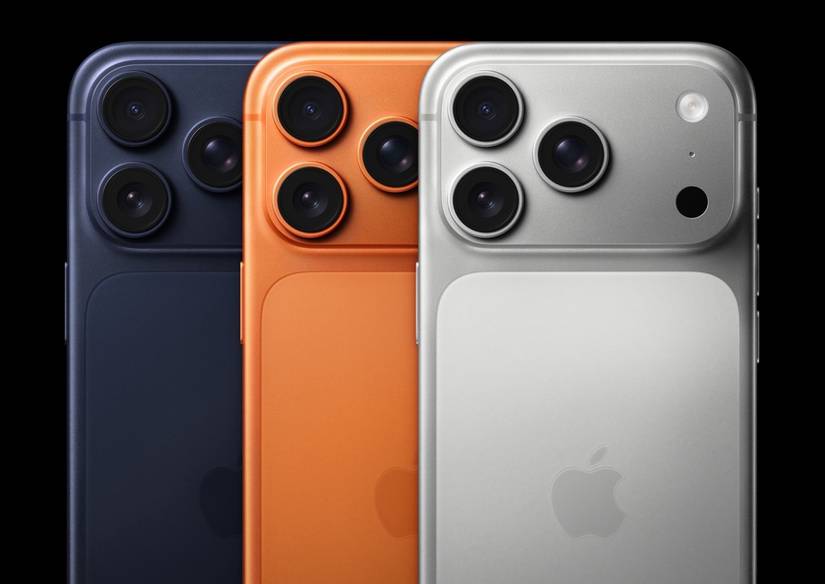
It comes as no surprise then that Apple now has its own wording for this area, which is mostly associated with the confronting iPhone 17 Pro design. In the weeks leading up to the 17 Pro’s announcement, renders and leaks washed up all over the internet, and the conversation mostly centered around how this was the “ugliest” iPhone ever designed and needlessly thick in all the wrong places.
While it’s certainly a choice, Apple is likely betting big on the fact that you won’t notice once you slap a case on it. I also think that the design will be thoroughly normalized within a few months, and we might even see other manufacturers embrace the concept more than they have already.
More Room, Better Cameras
In the case of the iPhone 17 Pro, the camera plateau is what houses the flagship phone’s most desirable feature: a triple-camera system. Each of these now has a 48 megapixel sensor for the first time, which means in theory you won’t need to avoid the telephoto lens if you want the best possible quality photos.
I’ve been using an iPhone 13 Pro for four years now, and even though I love having the option of using three lenses, there’s no denying that I’ve been consciously favoring the standard wide camera in many situations for this very reason.
This year’s 17 Pro has a standard wide camera which has the equivalent of a 48mm focal length, with a fixed aperture of f/1.78. The iPhone shoots 24 or 48 megapixel stills, with the option of a 2x optical-quality zoom with a 12 megapixel crop.
The ultrawide camera offers an equivalent focal length of 13mm with a fixed aperture of f/2.2. You’ll get full 48 megapixel stills at a 0.5X zoom, and you can also take 48 megapixel macro shots too. Lastly, there’s the inclusion of a 48 megapixel telephoto lens with an f/2.8 fixed aperture. It offers 4x optical zoom (100mm focal length equivalent) at 48 megapixels or an 8x optical-quality 12 megapixel crop (200mm focal length equivalent).
While we’ll have to wait to see what everyday snapshots look like, Apple’s sample images do indeed look impressive. If you’re upgrading from an older iPhone, you’ll have several generations of improvements to look forward to, including better computational photography via successive A-series processors, ever-improving low-light performance, and a heap of video options, including 4K HDR in Dolby Vision at 120 fps.
The iPhone 17 Pro’s camera is a force to be reckoned with, and the only area that still feels stuck in the past is a digital zoom cap of 40X, which is way off what competitors like Samsung and Google offer at 100X (though if you never venture into digital zoom range, you probably won’t care).
It’s Not Just the Camera to Blame
Despite the rebrand as the camera plateau, this area now houses more than just the camera system. Apple has rearranged the iPhone’s internals to make better use of this area, which might explain why things look so bulbous this time around.
This is where the A19 Pro system-on-chip is now located, the brain of the iPhone 17 Pro operation. The new vapor chamber cooling system reaches right up to the bump, and the NVMe storage has been relocated here too. What’s more, Apple has done this for both the Pro and the Air models (but oddly enough, not the base iPhone 17… yet).
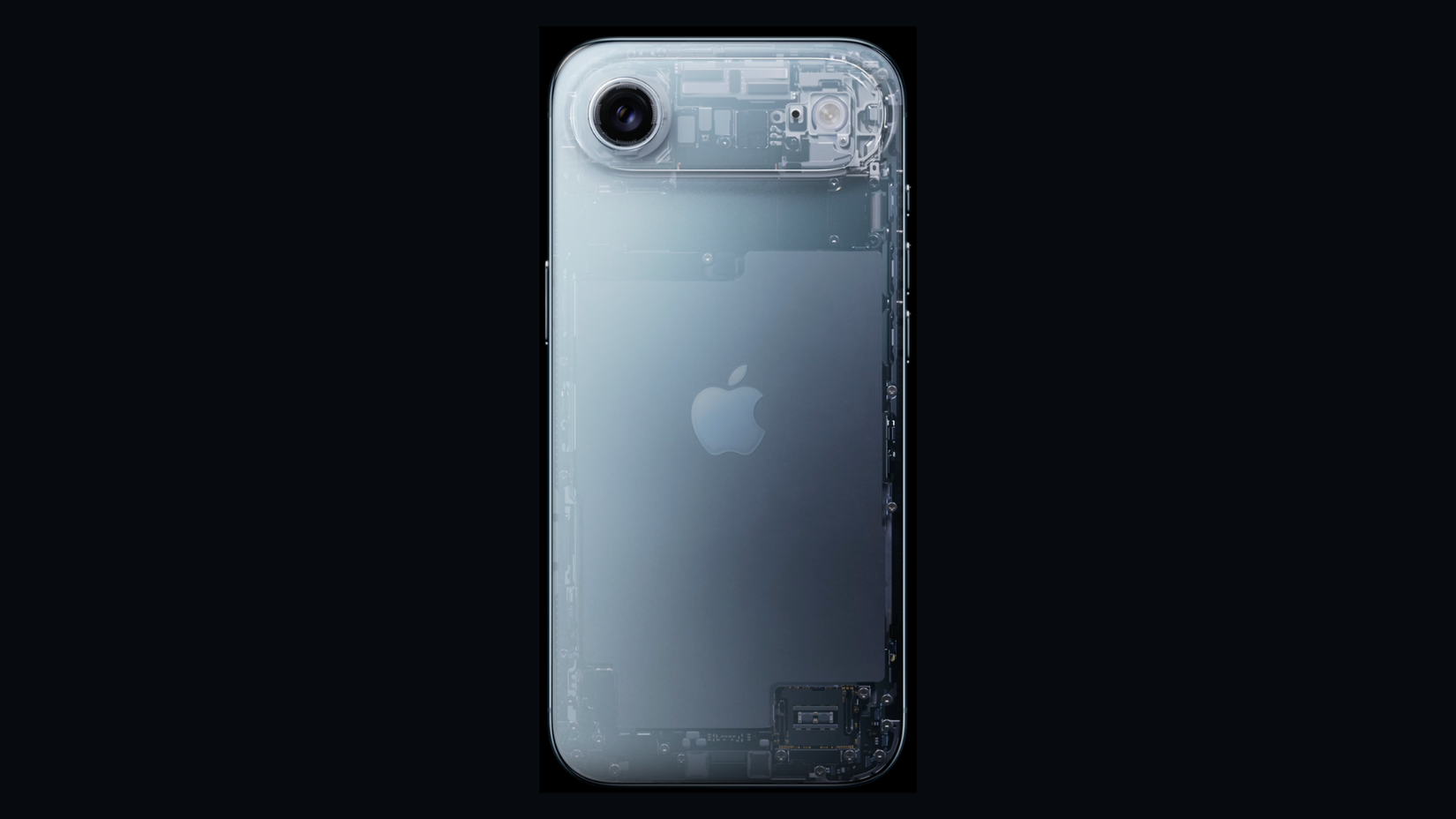
The result is more room in the main iPhone chassis for a bigger battery. This could explain the 33 and 39-hour video playback numbers Apple has quoted for the eSIM-only iPhone 17 Pro and Pro Max. The Air is quoted at 27 hours in this regard, so it’s probably not worth thinking about how dire things would be if the Air lacked this one design compromise.
SoC
A19 Pro chip
Display
6.3-inches
The Apple iPhone 17 Pro is the company’s most powerful smartphone to date, offering impressive cameras and the A19 Pro chip. It lets you do practically anything, including shooting quality videos.

SoC
A19 Pro chip
Display
6.5-inches
The iPhone Air is the newest model to join the iPhone flagship line, and its design is lighter and thinner than ever.
It’s not just the rear-facing camera that’s making headlines in the 2025 iPhone lineup. Learn why Apple’s new front-facing camera takes better selfies than your Android.