
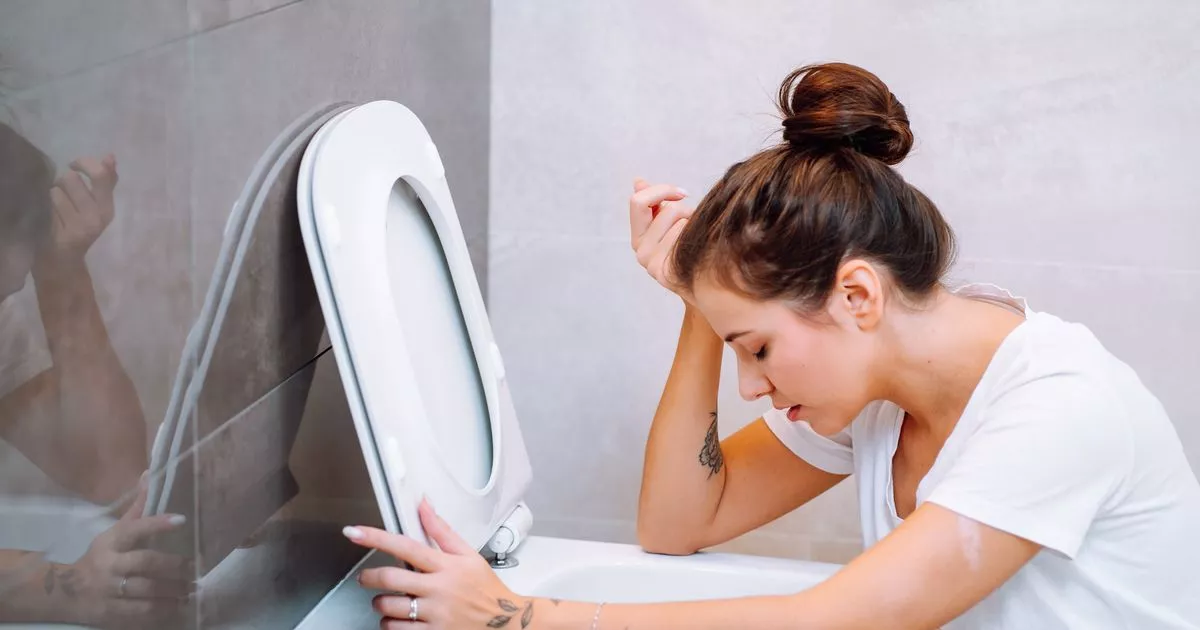
The Health Service Executive (HSE) has issued a warning as cases of the vomiting bug, are circulating at high levels in Ireland and likely to continue over the festive season The highly infectious norovirus is already making its way across Ireland
Health authorities across Ireland are calling on people to remain vigilant for symptoms of a particularly unpleasant illness that’s spreading “at high levels” throughout the country. The HSE has reported a spike in confirmed norovirus infections and cautioned that this upward trajectory is “likely to continue over the festive season”.
Commonly referred to as the winter vomiting bug, norovirus is extremely infectious and triggers vomiting and diarrhoea. The virus transmits readily through close personal contact, contaminated surfaces and food products, making outbreaks challenging to contain once they take hold.
The Health Protection Surveillance Centre (HPSC) released a statement on Tuesday noting: “Norovirus, a very common cause of gastroenteritis, is currently circulating at high levels in the community and these levels are likely to continue over the festive season. Norovirus (often called the winter vomiting bug), causes vomiting and diarrhoea and is highly infectious, easily spread by close contact between people.”
Read More: Full list of Ireland’s public holidays and bank holidays in 2026 plus your working rights
Read More: Doctor urges Irish ‘only see GP’ for flu if you have three key warning symptoms
This seasonal rise in norovirus infections comes at a time when Ireland is simultaneously grappling with elevated influenza activity. According to the HSE, this dual burden is placing additional strain on healthcare and care facilities nationwide.
The guidance stated: “Outbreaks of norovirus and flu in hospitals and nursing homes can cause serious disruption and increase risks for patients and staff. Your actions make a difference. We can all help by taking simple precautions. If you have respiratory symptoms, or vomiting or diarrhoea, do not visit hospitals, nursing homes, or vulnerable people at home. Avoid social visits to care settings while unwell.”, reports Dublin Live, reports RSVP Live.
Health officials stressed that although norovirus causes significant discomfort, the majority of individuals make a quick recovery without requiring medical intervention, with staying properly hydrated typically being sufficient. Nevertheless, to prevent further transmission, the HSE is encouraging people to follow these preventative measures, which include remaining at home for 48 hours following the resolution of symptoms.
Worryingly, norovirus can affect the same individual multiple times. Unlike certain illnesses that provide long-lasting immunity following infection, norovirus undergoes continuous genetic mutations, preventing your immune system from developing permanent defence.
The HSE explained: “You can get norovirus more than once as the virus is always changing (mutating). Because of this, your body cannot build up long-term resistance to it.”
Signs of Norovirus: According to the HSE: “Norovirus causes diarrhoea and vomiting. It is one of the most common stomach bugs in Ireland. It’s also called the ‘winter vomiting bug’. This is because it’s more common in winter. But you can catch it at any time of the year.”
The health service advises: “Norovirus can be unpleasant but it usually clears up by itself in a few days. You can normally look after yourself or your child at home. Try to avoid going to your GP, as norovirus can spread to others very easily.”
Signs you might be dealing with norovirus include:
feel sickget sick (vomit)have diarrhoea
Additional symptoms can manifest as a mild temperature, headaches, painful stomach cramps and aching limbs. These typically emerge one to two days following infection and persist for up to two or three days.
The recommended course of action is to remain at home until you’ve recovered. There’s no specific treatment for norovirus, meaning you’ll need to let it pass naturally.
Antibiotics won’t be effective as the condition is viral in nature. Medical consultation is generally unnecessary unless there’s concern about a more serious complication developing.
Galway Beo’s top stories and breaking news service on WhatsApp. Click this link to receive breaking news and the latest headlines direct to your phone. We also treat our community members to special offers, promotions, and adverts from us and our partners. If you don’t like our community, you can check out any time you like. If you’re curious, you can read our Privacy Notice.