
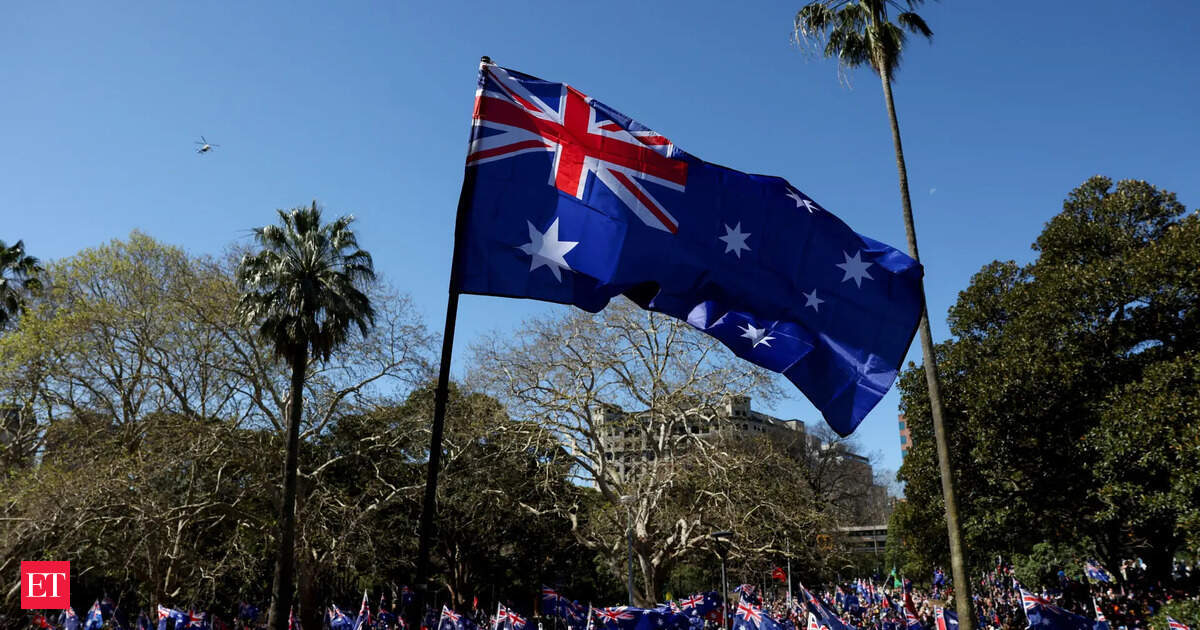
As Australians welcome 2026, a sweeping set of economic and social changes takes effect, promising to reshape household budgets and access to essential services. From the introduction of a new cash mandate and higher welfare payments to the end of energy rebates and more affordable medicines, these measures are designed to curb rising costs, support vulnerable communities, and strengthen public health initiatives across the country.
The changes come amid ongoing concerns over cost-of-living pressures, with households facing higher energy bills and rising everyday expenses.
Rise in welfare payments
From today, over one million Australians will see an increase in their social welfare payments, with the rise affecting recipients of Youth Allowance, Austudy, ABSTUDY, the Youth Disability Pension, and the Carer Allowance. The exact amount of the increase will vary depending on individual circumstances, reflecting the government’s targeted approach to supporting different groups. A comprehensive breakdown of the updated payment rates and eligibility details is available on the Department of Social Services website.Businesses to take cash  Live EventsAustralia is introducing a cash mandate for grocery and fuel retailers, a measure announced earlier this year by Treasurer Jim Chalmers. Under the new rules, businesses that sell essential items like food and fuel are required to accept cash payments, ensuring that all Australians can access basic goods regardless of their payment method.
The mandate primarily affects major supermarkets and service stations, reinforcing government efforts to maintain inclusivity in everyday transactions.
Cheaper medicines rolled out under PBS
According to 9News website, Australians will see a significant reduction in their medicine costs as the new year begins, with the general patient co-payment for prescriptions under the Pharmaceutical Benefits Scheme (PBS) falling from $31.60 to a capped $25 per script. This reform, a major election promise by Prime Minister Anthony Albanese, has secured bipartisan backing from the Coalition, offering relief to patients across the country and making essential medicines more affordable.Medicare safety net boosts patient coverage
From today, the Medicare Safety Net thresholds are increasing, meaning Australians and their families will need to reach higher out-of-pocket expenses before receiving additional government health subsidies. The standard safety net will rise from $576 to $594, while the extended safety net will increase from $834 to $861 for concession card holders and from $2,615 to $2,699 for non-cardholders, providing greater financial relief once these limits are reached.Dental rates
Dental care can be expensive, but from today, eligible Australian families will receive increased support through the Child Dental Benefits Schedule. The program, which helps cover part or all of the cost of basic dental services for children aged 17 and under, will now provide up to $1,158 every two years, an increase of $26 from previous levels, making routine dental care more affordable for families.Change in Childcare subsidy
From January 5, 2026, eligible families will receive at least 72 hours of subsidised childcare per fortnight, regardless of their work hours, under the government’s updated childcare support program.
Families working more than 48 hours a week will be entitled to up to 100 hours of subsidised care, providing greater flexibility and financial relief for parents juggling work and family commitments.
End of energy bill discount
Treasurer Jim Chalmers has confirmed that the federal government’s energy bill discount will come to an end as the new year begins. The $300 relief, introduced during the 2024-25 financial year to ease cost-of-living pressures for Australian households, was supplemented by an additional $150 subsidy from July. However, it was confirmed that this support will not be extended beyond December 31, 2025, leaving households to cover full energy costs from January 2026.Launch of Centre for Disease Control
From today, Australia will establish a permanent Centre for Disease Control (CDC) to strengthen the nation’s preparedness for public health emergencies. Health Minister Mark Butler described it as a crucial step to protect Australians from diseases, with the Public Health Association calling it the most significant public health infrastructure in generations.Rise Victorian public transport rates
Victoria’s metro fares rise, with the daily cap going from $11 to $11.40 on weekdays and $7.60 to $8 on weekends. Youth Myki holders travel free, and concession card holders ride free on weekends.