
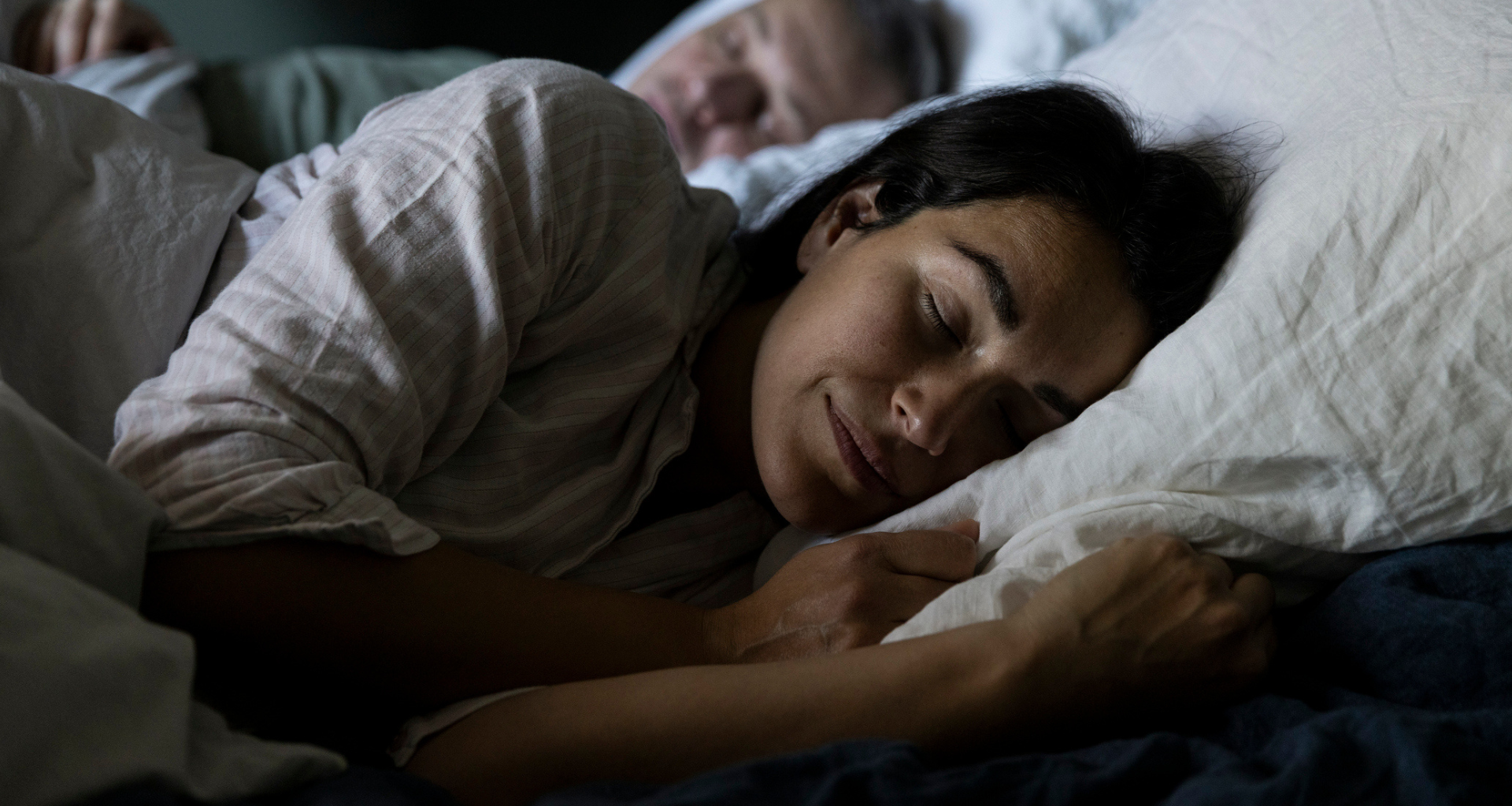
According to a 2020 survey, around 34% of US adults report sleeping more in winter. And it isn’t because everyone is suddenly feeling lazy — studies have shown that, on average, we sleep an extra 15-20 minutes more when the temperature drops.
So does this mean that humans need to hibernate like other mammals? And what exactly is behind our deep drive to get more sleep at this time of year? We spoke to a doctor, a sleep scientist and a psychotherapist to find out and are sharing their expert insight here.
We’ve also added a few of our favorite expert sleep hygiene tips to help you fall asleep easier this winter (and beyond), from creating a consistent bedtime routine to ditching heavy holiday meals before bed.
Key takeaways:Our bodies require more REM sleep in winter due to less natural lightReduced sunlight and colder weather makes us feel sleepier than usualGetting an extra 15-30 minutes of sleep a day helps reduce winter fatigue
(Image credit: Getty Images)Why we need more sleep in winter
Various research findings indicate that we are wired to have more REM sleep in winter.
You may like
REM sleep is mainly responsible for memory consolidation, processing emotions, and brain development. It’s also when we do most of our dreaming.
While the REM phase lasts only 10 minutes in the initial sleep cycles, it gets longer (lasting up to an hour) as the night progresses.
According to Heather Darwall Smith, a UKCP-registered psychotherapist, insufficient REM sleep can lead to physical and cognitive issues. “Not getting enough REM sleep makes remembering things, solving problems, and regulating emotions harder.”
How does REM sleep help us deal with shifting sleep patterns?
We cycle through four stages of sleep during the night. Each sleep cycle takes around 90 to 120 minutes— consisting of 3 stages of non-REM sleep and one REM stage.
REM (Rapid Eye Movement) sleep plays a major role in stabilizing your circadian rhythm and shifting sleep patterns, by catching up on major brain functions required to adjust with irregular schedules.
It does this by stimulating an area of the brain called amygdala which works tirelessly during the REM sleep stage, to reset and repair the brain to improve alertness, process emotional experiences and transfer short-term memories into longer ones.
Studies also show that REM sleep is crucial for that ‘good mood’ after a night’s sleep, the lack of which, can lead to tiredness or irritation.
You may like

(Image credit: Getty)Why doctors want you to sleep more this winter
How much sleep adults need ranges from seven to eight hours in general (some people need more or less). However, general practitioner Dr Tim Mercer of Opera Beds recommends that you get an extra 20-30 minutes of sleep in winter.
This, coupled, with good exposure to natural light and strong sleep hygiene, will help you deal with the natural urge to rest more during winter.
Prioritizing sleep during winter months can improve energy levels, concentration and emotional resilience
“Prioritizing sleep during winter months can improve energy levels, concentration and emotional resilience. It also helps maintain a stable circadian rhythm despite reduced daylight, supporting both physical and mental health,” he explains.
Throughout it all, it’s important to not lose sight of the main focus: improved sleep quality and consistency, rather than simply spending more time in bed.
Therefore oversleeping can be counterproductive. Sleeping too much on a regular basis can throw off your circadian rhythm, increase feelings of fatigue and lethargy, and even lead to physical issues like obesity, diabetes and cardiovascular diseases.
How winter affects our sleep

(Image credit: Getty Images)1. There’s less natural daylight
Natural daylight helps regulate our internal sleep and wake system (our circadian rhythm). Exposure to sunlight releases key hormones including cortisol and serotonin.
These hormones help our brain to remain active, and they boost our mood and energy levels throughout the day.
In winter the days are shorter, so we don’t get as much natural daylight. This leads to increased production of melatonin, the ‘sleepy hormone’.
“Darker mornings and evenings disrupt routines, making it harder to wake up and easier to feel fatigued throughout the day,” says Dr Mercer.
(Image credit: Getty Images)2. Less daylight leads to higher melatonin levels
“Reduced daylight interferes with the hypothalamus (the structure deep within your brain), which regulates sleep and mood, leading to higher melatonin levels and lower serotonin production,” explains Dr Mercer.
This basically means that you start producing melatonin earlier than usual in the day, so you’ll feel sleepier earlier than you would compared to in spring or summer.
“This can increase your natural drive for sleep,” adds Dr Deanna Minnich, Chief Science Office at Symphony Natural Health.
However, it’s not just the sleep quantity that’s impacted, but also the quality— which is where it all ties back to an increase in REM sleep, as discussed above.

(Image credit: Getty Images)3. The drop in temperature
Your core body temperature naturally falls before sleep to aid in the production of melatonin. Due to the change in weather, the outside temperature drop has the same effect on your melatonin levels.
That drop in temperature coupled with a decrease in natural daylight sends a powerful cue to your brain that it’s time to sleep.
Interestingly, extreme fall in temperatures will do the opposite. This is because the optimum temperature for restful sleep is lies between 65 to 70 F (18 to 21 °C). So if you’re too cold, you’ll have a hard time falling asleep and staying asleep.
5 top tips to sleep better this winter1. Have a consistent nighttime routine
No matter the season or weather, sleeping and waking up at the same time every day is the key to regulate your circadian rhythm. However, a nighttime routine is more than this.
This involves a series of daily activities you do consistently in the run up to bed time, which eases your body and mind and helps you wind down faster. These can range from a warm bath to a 15-minute yoga for sleep routine.

(Image credit: Getty Images)2. Reduce screentime before bed
Yes, we understand that it might be difficult to put your phone away and not catch up on the world outside before the day comes to an end. However, this is a golden rule not only advocated by sleep scientists, but also celebrities like Friends star Jennifer Aniston.
“If you check your phone in that 30 minutes to an hour before bed, you’re likely to be exposed to something new, that you’re going to have to think about or deal with…,” explains Dr. Lindsay Browning, chartered psychologist, neuroscientist and founder of Trouble Sleeping, a sleep clinic.
Plus there are various studies which point out that the blue light emitted from these devices can hinder with melatonin production, thereby making you feel more alert and awake. This delays the onset of sleep, which could lead to sleep deprivation if it happens often enough.
3. Avoid heavy meals before bed
Eating a heavy meal directly before bed can disrupt your sleep over several hours, leading to increased nighttime wakings.
A heavy meal is, however, just one of the five common eating habits keeping you awake at night. Eating foods that are too acidic, spicy or sugary right before bed can also lead to digestive discomfort that can impact your sleep.

(Image credit: Getty Images)
If you are craving a nighttime snack, opt for sleep-boosting foods such as a bowl of oatmeal, almonds or a glass of milk instead. These contain tryptophan, an amino acid that plays a key role in the production of serotonin and melatonin.
4. Go outside early in the day
Exposure to natural daylight helps you sleep better at night. Because the days are shorter in winter, aim to get outside in the day – and especially if the sun is shining.
Consider combining it with some exercise too – a light stroll, a quick run, anything that works perfectly well within your schedule – as daytime exercise helps you sleep better at night.
5. Create a calm space to sleep in
According to a survey conducted by the American Academy of Sleep Medicine earlier this year, around 74% of US adults reported experiencing often or always disrupted sleep due to stress. 68% said they lose sleep because of anxiety.
If this is you, consider trying a weighted blanket. These are designed to deliver a full-body hug (deep pressure therapy), which is proven to have a positive effect on your mood, stress and anxiety levels, and ultimately your sleep.
Interested in aromatherapy instead? Experiment with lavender-infused pillow sprays and scents to help you calm down and relax before bed, so you fall asleep faster.