
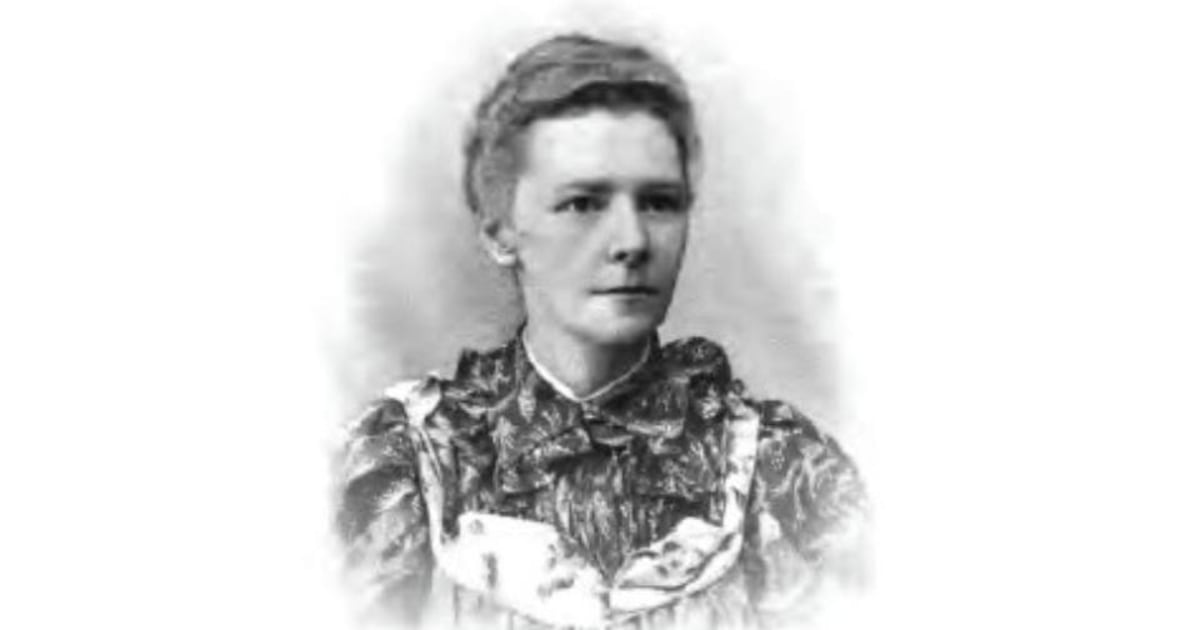
Ireland has not always treated its writers with the respect they deserve during their lifetimes, though it has rarely been slow to bask in reflected glory when they achieve international renown. That familiar pattern does not apply, however, to Ethel Voynich, the Cork-born author whose novel The Gadfly was read by tens of millions in the USSR and China across the 20th century, but who remains largely unknown at home. Her name surfaced unexpectedly this week in Beijing, during a conversation between Micheál Martin and Xi Jinping.
Both men, it emerged, had read Voynich’s tale of Italian revolutionaries in their teens, though in rather different circumstances. The Taoiseach encountered it as a student in Cork; the Chinese president read it after his family had been banished to the countryside during the Cultural Revolution.
Born Ethel Boole in Cork, Voynich was drawn, as a young woman, into radical political circles. In 1890s London she moved in a literary milieu that included Oscar Wilde and George Bernard Shaw. The Gadfly, her first novel, was widely acclaimed on publication. Its portrayal of sacrifice, betrayal and revolutionary struggle resonated deeply with movements seeking national or social liberation, including in Ireland. While it later fell out of fashion in the West, it became canonical in the Stalinist Soviet Union and, subsequently, Maoist China.
Voynich went on to publish other novels, none of which matched the impact of her debut. Remarkably, she was unaware of The Gadfly’s vast popularity behind the Iron Curtain until the 1950s, when delegations from Soviet cultural institutions arrived to pay homage. Although the USSR was not in the habit of paying capitalist royalties, she did receive some recompense for the millions of copies it had published.
Voynich was the first female Irish author to sell more than a million books, yet she remains hardly known in the country of her birth. Literary fame is unpredictable and fickle, but this week’s encounter in Beijing offers a timely reminder that Ireland’s cultural influence has sometimes reached further than we know.