
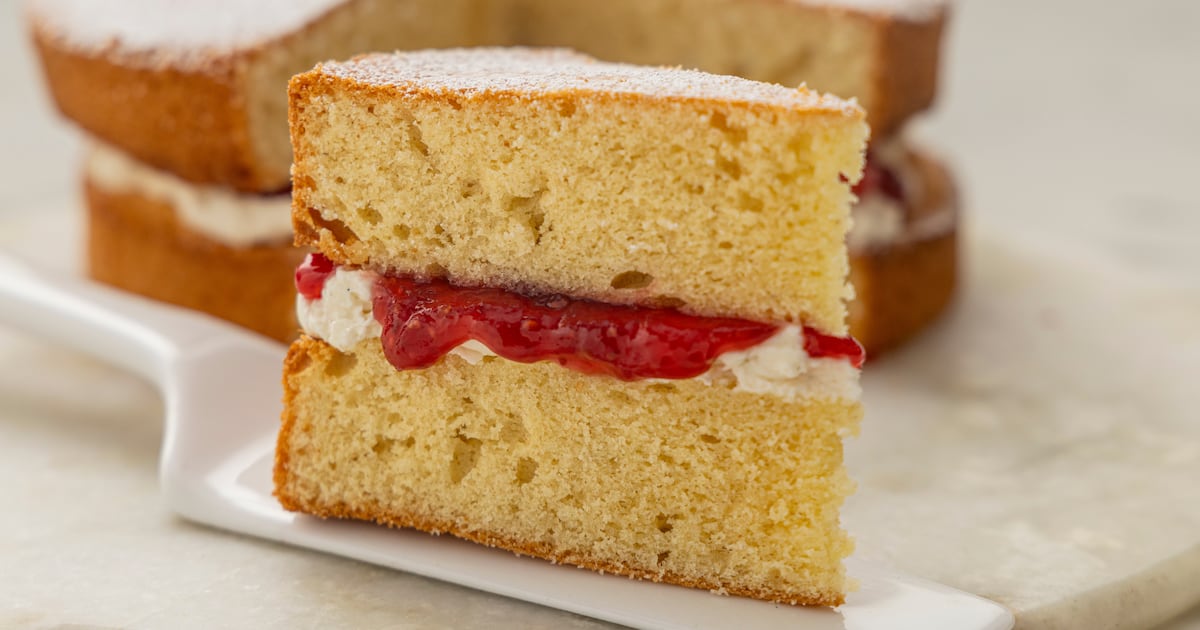
There’s something really comforting about classic cakes. In a world where food trends change every five minutes with new gadgets, new diets and the next “must-try” bake, it’s the old favourites that keep us grounded. As a chef I go back to these recipes all the time, not because they’re basic, but because they remind me why baking is such a joy to begin with. This week’s recipes have stood the test of time for a reason and have been knocking about longer than anybody who is reading this column.
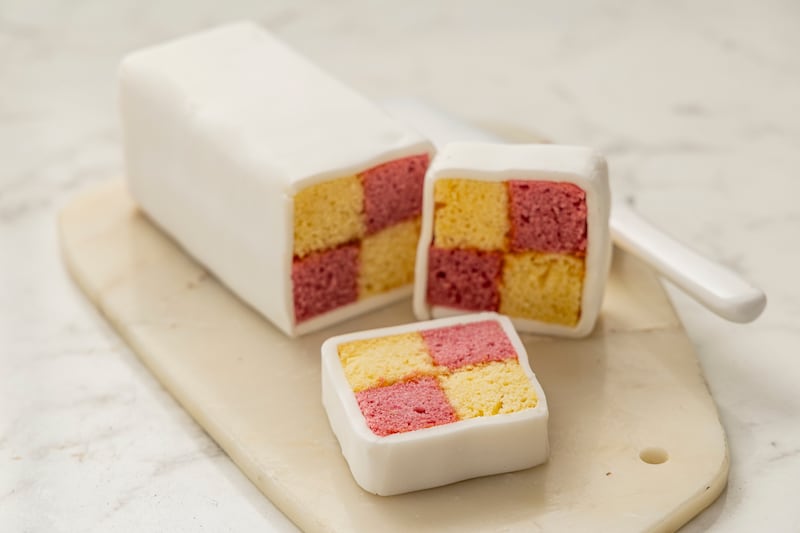 Battenberg: a familiar showpiece. Photograph: Harry Weir
Take the Battenberg cake. It popped up in the late 1800s, supposedly made to celebrate the marriage of Princess Victoria and Prince Louis of Battenberg. It’s a bit of a showpiece with those neat pink and yellow squares wrapped in marzipan. Half craft project, half dessert. For home bakers in 2026, it’s still a brilliant lesson in structure and balance. And despite its prim appearance, it’s surprisingly flexible. Change the colours, pick a different jam, flavour the marzipan; there’s plenty of room to make it your own while still keeping that classic look.
Then there’s the Victoria sponge: maybe the most approachable cake of all. Named after England’s Queen Victoria, who liked a slice with her afternoon tea, it has become a staple everywhere, from family kitchens to village fêtes. It looks simple – essentially just sponge, jam, and cream – but that’s the point. A good Victoria sponge relies on proper technique and good ingredients. It’s the kind of cake that proves you don’t need anything fancy to make something genuinely delicious.
These cakes stick around because they’re tied to memory. They remind us of childhood baking, family celebrations and the kind of relaxed cooking that brings people together. And even today, they still fit right in. They’re adaptable, reliable and timeless – proof that, sometimes, the classics really are the best place to start.