
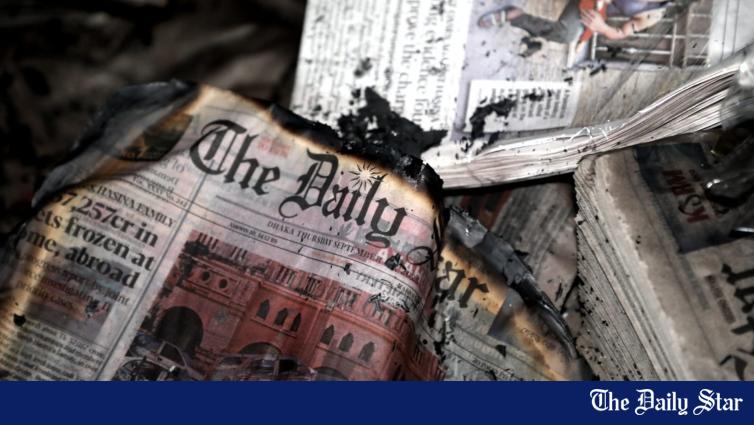
I recently started encouraging my children to read the newspaper every morning, hoping it would nurture awareness and civic curiosity. After a few days, they asked to stop. The news, they said, made them anxious. The constant stories of violence and injustice left them feeling unsettled, “as if the world has gone bonkers,” they said. Their response was not dramatic; it was honest. And it forced me to confront a difficult reality: what once served as civic education may now function as an unfiltered source of distress for young minds. While public attention understandably focuses on political consequences and security concerns, far less attention is paid to those who quietly absorb these events every day: our children.
Much has been written about the political awakening of Gen Z. Yet, an even younger generation is coming of age in a climate shaped by violence-filled headlines, social media saturation, and contested truths. As a parent and an academic, my concern is not primarily about political mobilisation. It is about the social, emotional, ethical, and civic environment we are creating for the inheritors of this country.
This raises an uncomfortable question: are we informing the next generation or overwhelming them? When violence becomes a daily headline, when stories of children burned alive, communities attacked over identity, or media institutions set on fire dominate public discourse, it is difficult to argue whether such exposure builds resilience or democratic responsibility. Instead, it risks normalising brutality and eroding empathy before it has fully formed in the young minds.
Children are not passive observers. They listen closely, absorb language, tone, and moral cues. The cumulative psychological cost of growing up amid constant narratives of fear, injustice, and impunity cannot be dismissed as incidental. A society must ask itself what it considers acceptable collateral damage during periods of unrest, and whether children are being treated as invisible casualties of public disorder. The problem is not only political instability, but a deeper moral disorientation.
As the country stands on the verge of electing a new political leadership, these questions become even more urgent. How aware are those seeking power of the social and psychological realities with which children are growing up today? How invested are they in shaping a future that goes beyond seeing children merely as beneficiaries of nutrition programmes, stipends, or enrolment statistics?
Children deserve a holistic understanding of the world around them. They need help making sense of complexities: injustice and accountability, environmental change and climate risk, shared responsibility and coexistence. Ignoring reality does not shield them from it.
This is not a call for censorship or silence. It is a call for responsibility in media, politics, and public life. Reporting matters. Language matters. It also matters that we recognise children as part of the audience, forming their earliest understanding of justice, humanity, and belonging.
In several European countries, children and future generations are treated not as abstract beneficiaries of development, but as stakeholders whose well-being, mental health, and rights must be actively considered in policymaking. Political decisions are increasingly assessed not only for their immediate outcomes, but for the world they leave behind.
Periods of unrest will pass; history suggests they always do. The deeper concern is what kind of citizens are shaped during these moments, and what moral landscape they will inherit once the noise subsides. That responsibility cannot be deferred. Our children are listening.
Farzana Misha is associate professor at Brac James P Grant School of Public Health.
Views expressed in this article are the author’s own.
Follow The Daily Star Opinion on Facebook for the latest opinions, commentaries, and analyses by experts and professionals. To contribute your article or letter to The Daily Star Opinion, see our guidelines for submission.