
The HSE has issued a warning to the public as the highly contagious bug sweeps across Ireland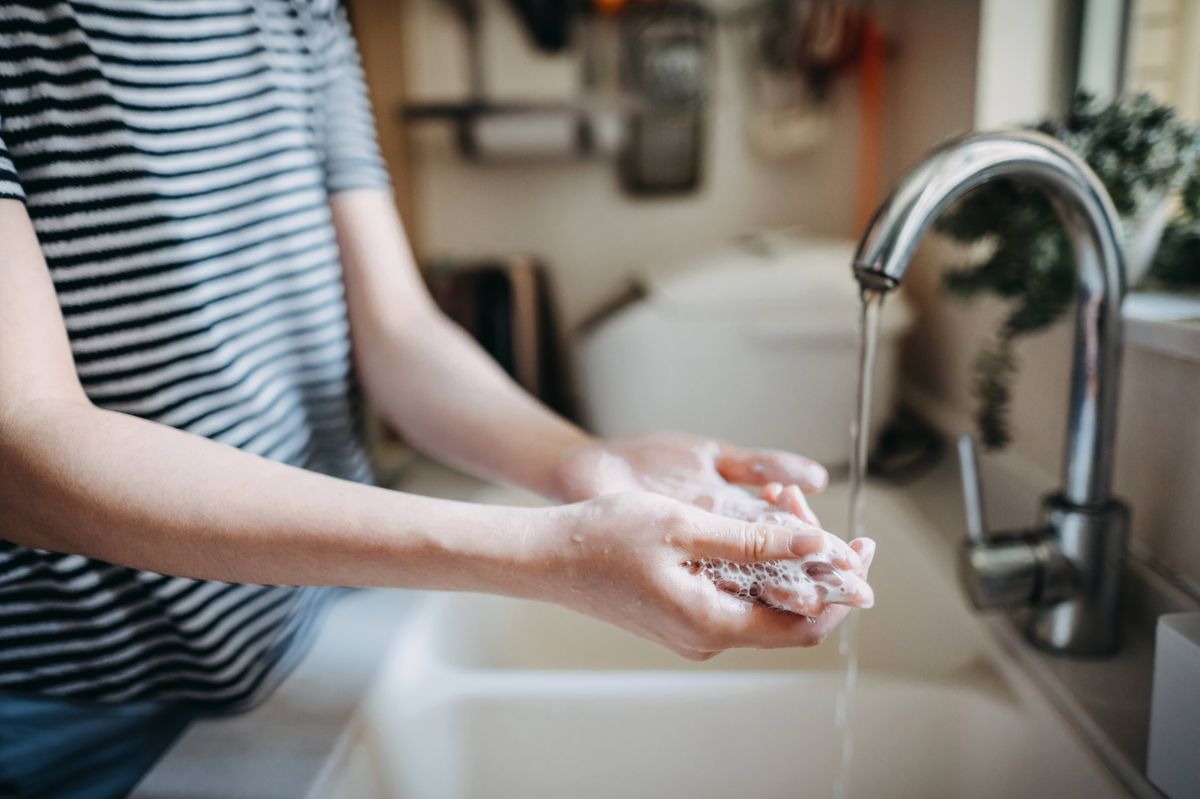
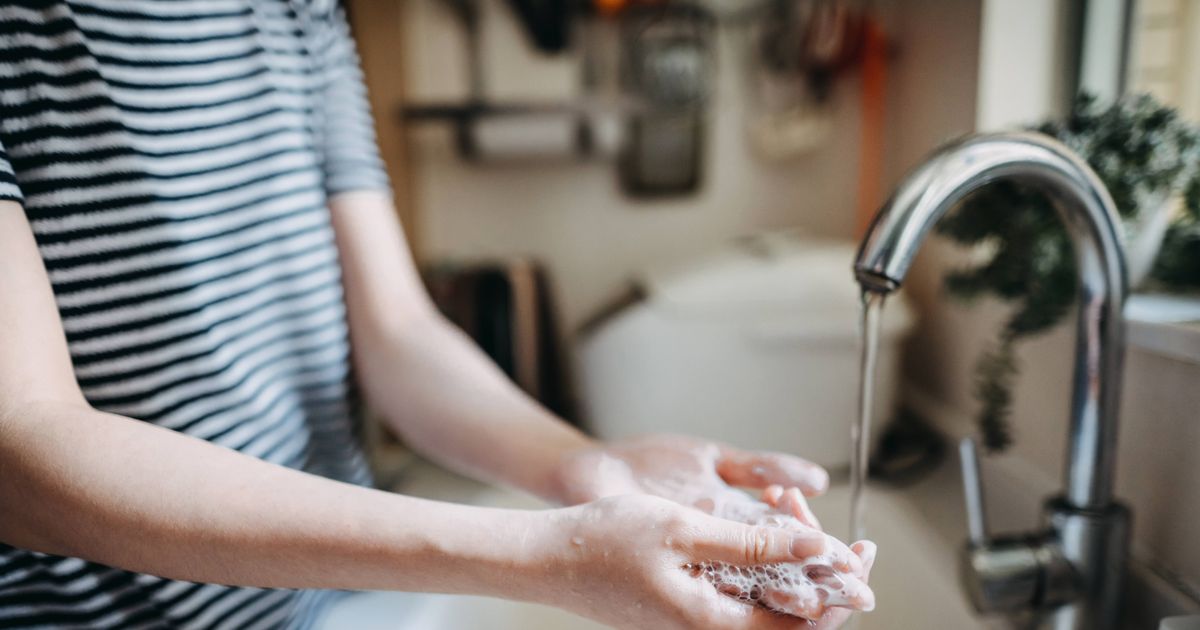
Thoroughly washing your hands is an important way to stay safe from norovirus(Image: Getty Images)
Health chiefs in Ireland have issued a stark warning to anyone experiencing two specific symptoms, as a highly infectious stomach bug continues to spread at “high levels” nationwide.
The HSE has reported an uptick in confirmed cases of norovirus and warned that this trend is “likely to continue”.
Norovirus, often referred to as the winter vomiting bug, is notorious for its contagious nature, typically resulting in bouts of vomiting and diarrhoea.
It’s a tricky customer to contain once it takes hold, spreading rapidly through close contact, contaminated surfaces and food.
In an update released last month, the Health Protection Surveillance Centre (HPSC) stated: “Norovirus, a very common cause of gastroenteritis, is currently circulating at high levels in the community and these levels are likely to continue over the festive season.
Norovirus (often called the winter vomiting bug), causes vomiting and diarrhoea and is highly infectious, easily spread by close contact between people.”
This alert comes at a time when Ireland is also grappling with a surge in influenza cases, a combination which the HSE warns is putting extra pressure on health and care services.
Health officials have explained: “Outbreaks of norovirus and flu in hospitals and nursing homes can cause serious disruption and increase risks for patients and staff. Your actions make a difference. We can all help by taking simple precautions.
“If you have respiratory symptoms, or vomiting or diarrhoea, do not visit hospitals, nursing homes, or vulnerable people at home. Avoid social visits to care settings while unwell.”
The HSE has emphasised that whilst norovirus causes significant discomfort, the majority of individuals make a swift recovery without requiring medical intervention, with adequate fluid intake typically being sufficient.
Nevertheless, to limit transmission, the HSE is encouraging the public to adopt several preventative measures, including remaining at home for 48 hours following the cessation of symptoms.
For all the latest breaking news headlines today, visit our website home page.
Individuals are recommended to stay away from work or school for a minimum of 48 hours once symptoms have subsided, refrain from visiting hospitals, care facilities or vulnerable people, and avoid social gatherings whilst ill and for two days thereafter, the Irish Mirror reports.
Those suffering from vomiting or diarrhoea are also requested to avoid presenting to Emergency Departments where feasible, and should instead contact a pharmacist or GP by telephone for guidance. The HSE has cautioned that introducing norovirus into healthcare or care environments can result in staff illness, service disruption or even temporary closures, whilst vulnerable patients face considerable health risks if they become infected.
Those experiencing severe illness should still make their way to the Emergency Department, though it’s crucial to alert reception staff if symptoms include vomiting or diarrhoea, enabling them to implement necessary safety measures.
The public is being urged to maintain rigorous hand hygiene by washing with soap and water regularly, as alcohol-based hand sanitisers prove ineffective against norovirus. Any potentially contaminated surfaces require disinfection with a bleach-based product, whilst contaminated clothing or bedding must be laundered separately using a high-temperature wash.
It’s important not to share towels or flannels, and any vomit or contaminated waste needs to be flushed immediately, with the surrounding area receiving a thorough clean. Additionally, people should steer clear of consuming raw, unwashed produce.
According to the HSE: “Norovirus causes diarrhoea and vomiting. It is one of the most common stomach bugs in Ireland. It’s also called the ‘winter vomiting bug’. This is because it’s more common in winter. But you can catch it at any time of the year.
“Norovirus can be unpleasant but it usually clears up by itself in a few days. You can normally look after yourself or your child at home. Try to avoid going to your GP, as norovirus can spread to others very easily.
“You’re likely to have norovirus if you:”.
“Some people also have a slight fever, headaches, painful stomach cramps and aching limbs. The symptoms start one to two days after you become infected and last for up to two or three days.
“The best thing to do is to stay at home until you’re feeling better. There’s no cure for norovirus, so you have to let it run its course. Antibiotics will not help because it’s caused by a virus. You do not usually need to get medical advice unless there’s a risk of a more serious problem.”
Galway Beo’s top stories and breaking news service on WhatsApp.
Click this link to receive breaking news and the latest headlines direct to your phone.
We also treat our community members to special offers, promotions, and adverts from us and our partners.
If you don’t like our community, you can check out any time you like.
If you’re curious, you can read our Privacy Notice.