
Home » TOURISM NEWS » Sri Lanka Tourism Revenue Drops Nearly Fifteen Percent in December 2025 Despite Rise in Arrivals, Future Growth Hinges on Increased Spending and Diversified Offerings
Published on
January 11, 2026
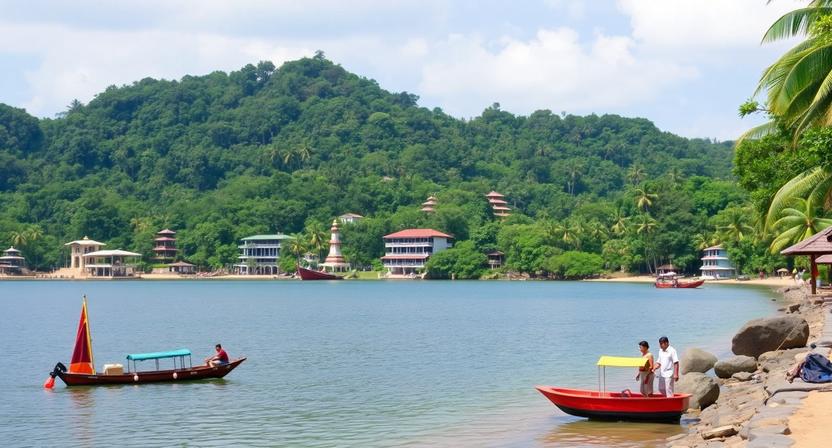
The earnings of the tourist industry in December 2025 in the island of Sri Lanka declined by a substantial 14.8% in terms of value compared to the previous year, standing at US$308.6 million, even as the country recorded an increase of 4.2% in the number of tourist arrivals in December 2025 by 258,928 compared to the previous year, thereby marking the fourth successive decline in the industry’s earnings in the past six months despite the continually increasing tourist entries into the country.
Lower Per Capita Spending Continues to Weigh on Revenue
The decline in revenue can largely be attributed to a reduction in the daily spending per tourist, which the Sri Lanka Tourism Development Authority (SLTDA) had revised down. Since August 2025, the average daily spending per tourist has dropped from US$171 to US$148, a significant shift that has impacted the overall revenue despite the higher number of arrivals. This revision in tourist spending reflects a broader downward trend where tourism spending per visitor is being consistently adjusted, affecting the country’s ability to maximize revenue from increased arrivals.
Tourism Sector Facing Ongoing Struggles
In contrast to previous years when tourism revenue had been rising, the latest monthly data revealed that December’s performance represents the fourth decline in the past six months, despite overall growth in visitor numbers. Sri Lanka’s tourism sector has been grappling with challenges since August 2025, when the tourism spending estimate was revised. While arrivals rose by 15.1% in 2025 compared to the previous year, the growing number of tourists did not translate into higher financial returns, pointing to a mismatch between the increase in visitor numbers and the financial benefits derived from tourism.
This downturn in revenue is significant, particularly since tourism once accounted for nearly 5% of Sri Lanka’s GDP at its peak in 2018. The sector’s importance to the Sri Lankan economy cannot be overstated, and this ongoing decline in revenue signals that further strategic intervention is needed to optimize the economic contribution of tourism.
Tourism Growth for 2025 and Missed Targets for 2026
Despite the downturn in December, Sri Lanka’s total tourism revenue for 2025 saw a slight rise of 1.6%, reaching US$6.22 billion, compared to US$6.13 billion in 2024. However, the country missed its ambitious targets of US$5 billion in tourism revenue and 3 million arrivals for 2026, which were expected to reflect a more substantial recovery in the sector.
Interestingly, tourist arrivals have picked up momentum despite the devastation caused by floods in the Central Sri Lankan districts of Kandy and Nuwara Eliya. The 15.1% growth in tourist arrivals in 2025 signals that Sri Lanka continues to be a sought-after destination for many travelers, even amid its ongoing economic challenges and adverse weather conditions.
The Broader Economic Impact of Tourism
Tourism remains a key pillar of Sri Lanka’s economy, contributing to both foreign exchange revenue and the wages of those employed in the sector. However, despite these arrivals, Sri Lanka’s imports and merchandise trade deficit have been gradually rising as a result of higher spending in the tourism sector. While the tourism industry provides a significant boost to regional economies, the challenge remains in maximizing the economic benefits from this sector to offset the broader economic downturn the country is facing.
The reliance on tourism, which suffered severely due to the Easter Sunday attacks in 2019, the COVID-19 pandemic, and an unprecedented economic crisis in recent years, makes the sector’s recovery critical. The latest tourism figures indicate a steady rebound in visitor numbers, but the slow pace of revenue recovery and the decline in average daily spend suggest that further investment in tourism infrastructure, marketing, and sustainability initiatives will be crucial for long-term growth.
Future Impact: How Sri Lanka Can Boost Tourism Revenue
Looking forward, the tourism industry’s revenue growth will largely depend on addressing the sustainability of the sector, improving tourist spending, and expanding the range of experiences offered to visitors. Sri Lanka will need to continue diversifying its tourism products to attract higher-spending travelers and focus on long-term strategies to boost the economic contributions of the sector.
The growing interest in cultural and nature-based tourism presents an opportunity to engage a wider demographic of visitors. Additionally, regional tourism promotion and targeting high-end markets could help mitigate the impact of the decline in average tourist spending. Moreover, expanding Sri Lanka’s infrastructure for tourists—particularly in terms of transport, accommodations, and visitor services—could enhance the overall experience and increase spending per visitor.
Long-Term Challenges and Opportunities for Tourism
Although the number of tourist visages is steadily increasing year by year, the revenue from tourism in Sri Lanka is still encountering challenges. For the tourism industry in the country to experience sustained growth in the future, various stakeholders should therefore focus on how best the industry will benefit the country in the long run. For the country to successfully resume the growth in the tourism industry following the setback it encountered in the past, the emphasis on quality tourism will form the backbone of economic strength for the country at large.
The future of tourism in Sri Lanka is about how the industry responds to what’s taking place in the world and attracting the kind of visitor who is going to not only bring revenue but also be careful about how they spend their money so that the industry grows in a sustainable way
