
The killing of antigovernment protesters in Iran by the country’s regime has been described as “sickening” and “heartbreaking” by Iranians living in Ireland.
Many Iranians here have been unable to contact their loved ones since an internet blackout was imposed in Iran on January 8th.
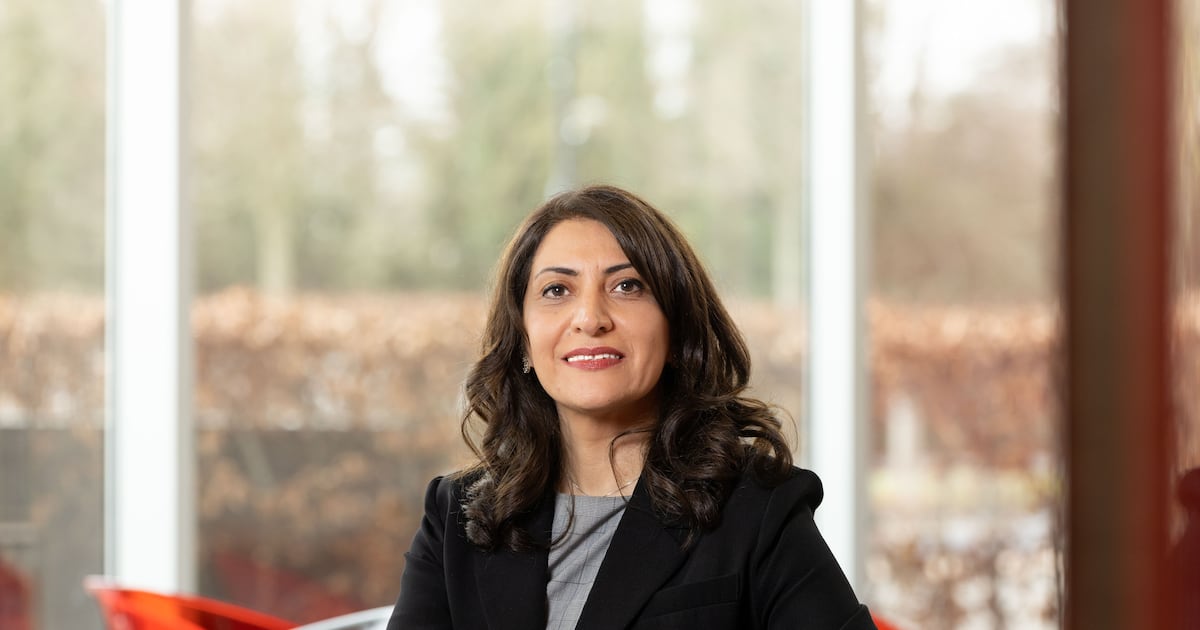
Dr Niloufar Omidi, a human rights lawyer based at the University of Limerick, has not spoken to her family since then.
“All of my messages, they just have one tick, there’s no double tick, so it means that they were not delivered. It is a very worrying situation.”
Dr Omidi said watching the mass killing of her fellow Iranians in recent weeks has been “heartbreaking”.
More than 2,500 people have been killed, according to the US-based Human Rights Activists News Agency, but the death toll is expected to rise significantly.
Dr Omidi said the internet shutdown is “being used deliberately by the government to suppress people, isolate them, and intensify fear”.
The lack of connectivity “prevents protesters from acting collectively and sharing updates” and suppresses real-time reporting, “limiting public awareness and international scrutiny”.
“Past protests show a clear pattern: when authorities shut down the internet, mass killings often follow.”
Dr Omidi, who has lived in Ireland since 2013, has not been able to return to Iran in a decade due to safety concerns.
She was unable to attend her mother’s funeral last year and her husband’s funeral in 2021; he died while in Iran during the Covid-19 pandemic.
“I feel compelled to speak out. As a human rights lawyer, I have a duty to advocate for those whose rights are being violated. They are risking their lives just for freedom,” Dr Omidi said.
Roshin, who did not wish to share her surname, has lived in Ireland for 15 years and is an Irish citizen.
“I couldn’t sleep the last few days at all,” she said.
“The action of the Islamic Republic at the moment – in slaughtering thousands of its own citizens – goes against the core values of the Iranian people. It is a sickening act of any regime, murdering its citizens for just exercising their own basic rights.”
In late December, protesters took to the streets to express their anger at the country’s economic instability – rising inflation left many struggling to afford necessities. The demonstrations quickly grew as people called for the removal of Ayatollah Ali Khamenei, who has served as the supreme leader of Iran since 1989.
Roshin said the Islamist regime which took over the country following the 1979 revolution, has survived through “fear, torture, censorship and mass killing”.
She compared the ongoing protests to the Women, Life, Freedom movement that occurred in Iran in 2022 after the death of Mahsa Amini, a 22-year-old woman who was arrested by so-called morality police for allegedly not wearing her hijab correctly.
The regime brutally cracked down on the mass demonstrations that followed, killing hundreds of protesters.
“Since then, the situation, it’s got worse and worse and worse,” Roshin said.
Dr Omidi agreed, saying the current crackdown “reflects an even more brutal, systematic and far-reaching level of repression and violence” than what occurred in 2022.
She said women have long been “at the intersection of oppression in Iran”.
“There is a deep gap between the enormous potential of women in Iran and the opportunities actually available to them – whether in education, employment or public life – which can explain why so many women are at the front lines of the protests,” Dr Omidi said.
Some protesters have called for Reza Pahlavi, Iran’s exiled crown prince, to act as an interim leader.
Mr Pahlavi moved to the US as a teenager in the 1970s. The 1979 revolution resulted in the collapse of the monarchy, then led by his father, and he never returned.
In recent days, Mr Pahlavi called on Iranians to “seize city centres” and prepare for his return.
Roshin said some protesters view Mr Pahlavi “as a unifying democratic figure”.
“This is not about restoring the monarchy, it is about the transition,” she said, adding that Iranians should be able to “choose their own future” via democratic elections.
Dr Omidi hopes Iranians “will be empowered to determine their own destiny”.
“Any sustainable change in Iran must come from the people themselves, risking their lives every day for freedom. A future cannot be imposed from above. Democracy has a bottom-up approach,” she said.
Both women called on the international community, including Ireland, to support the Iranian people.
“The DNA of this regime is dictatorship, and we need some international help,” Roshin said.
“Ireland has a strong moral and human rights reputation globally … Historically, Ireland has stood with oppressed people. We want the support and solidarity of Irish people.”
A protest in solidarity with the Iranian people will take place outside the Embassy of Iran in Dublin at 2pm on Saturday.