
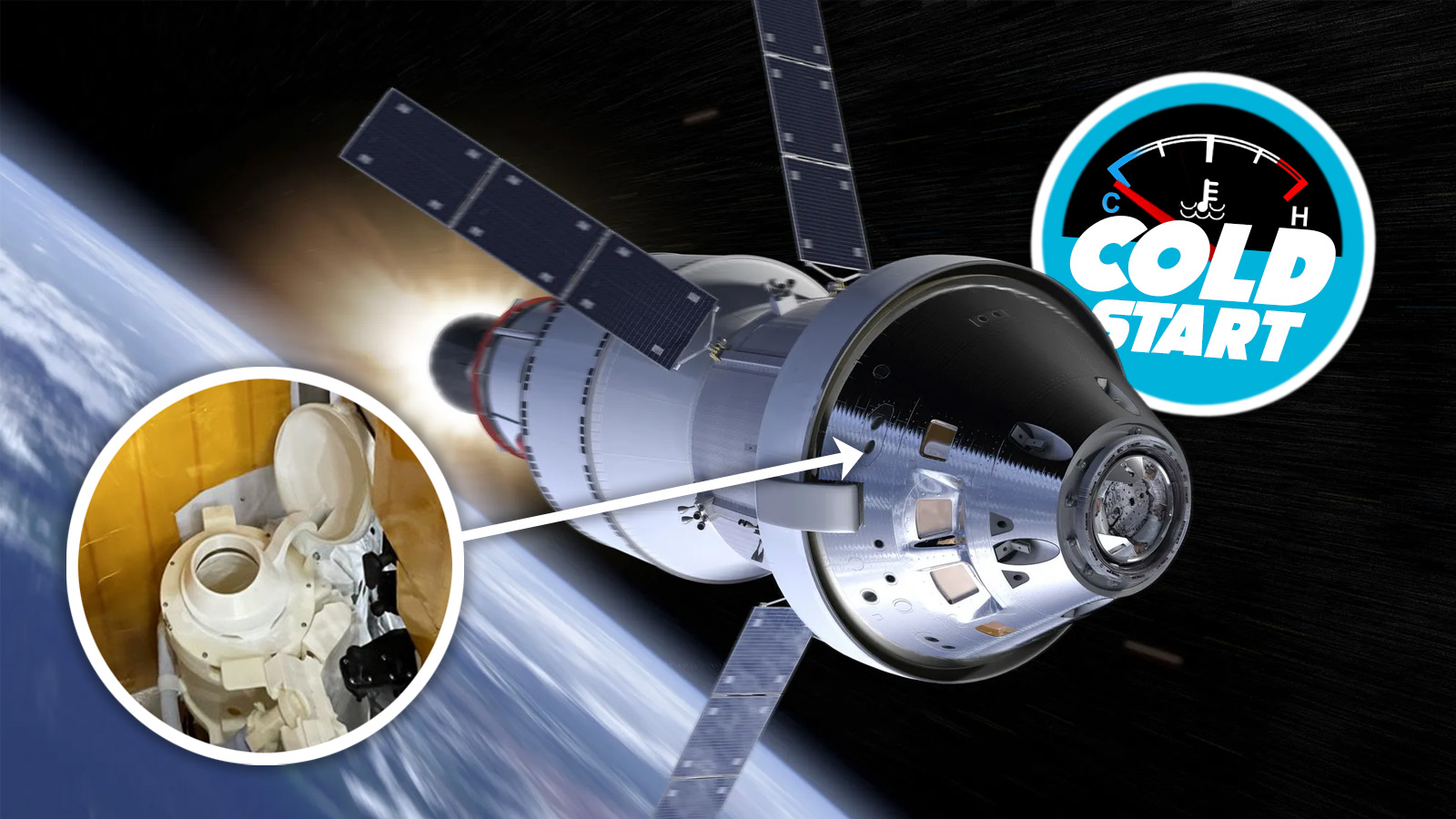
I realize there’s a lot of things going on in the world right now that all demand a lot of your attention, but in the background of it all, this past weekend NASA slowly rolled out the massive rocket known as the Space Launch System (SLS), carrying the Orion spacecraft that comprise the vehicles for the Artemis II mission that will send astronauts around the moon for the first time since the last Apollo mission in 1972. The actual launch could take place as soon as February 6, which will send four astronauts further out in space, and traveling faster than any humans have gone before. It’s a big deal!
Of course, the real question on everyone’s mind is obvious: what’s the pooping situation going to be like up there?


Remember, this is a 10-day mission for four people. No one’s holding anything in that long; they have to focus up there, and having to jettison a colonworth of ejecta is no way to maintain concentration. They need to be able to comfortably pinch loaves of the steaming variety.
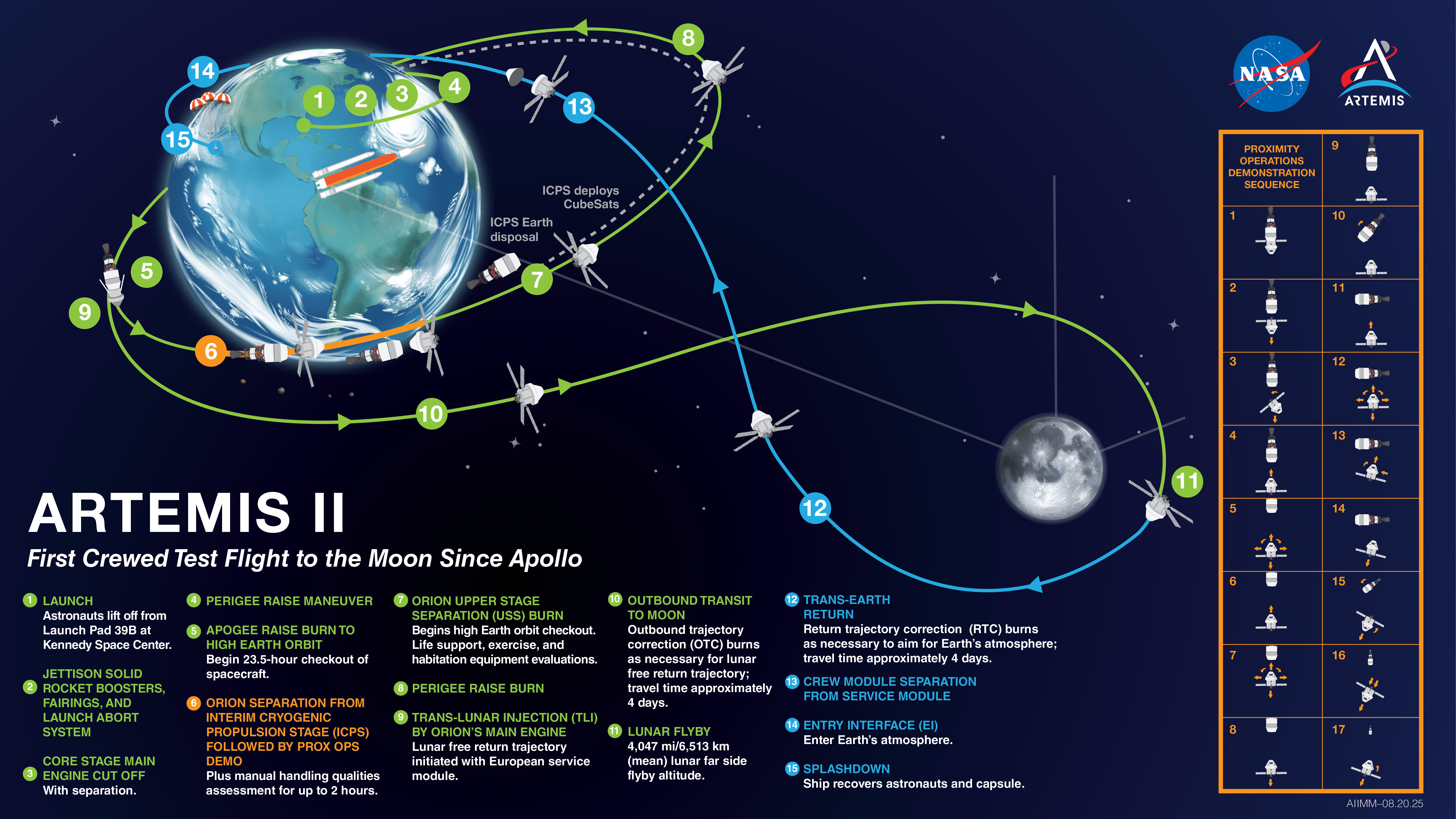 Image: NASA
Previous Apollo lunar missions, while incredibly impressive from technical, cultural, scientific, and almost any perspective were, to be honest, absolutely miserable from a bowel-moving standpoint. The poop-management system for the Apollo missions was about as basic as you can imagine: a plastic bag with an adhesive seal. I’m not kidding; here’s an official NASA picture demonstrating its use:
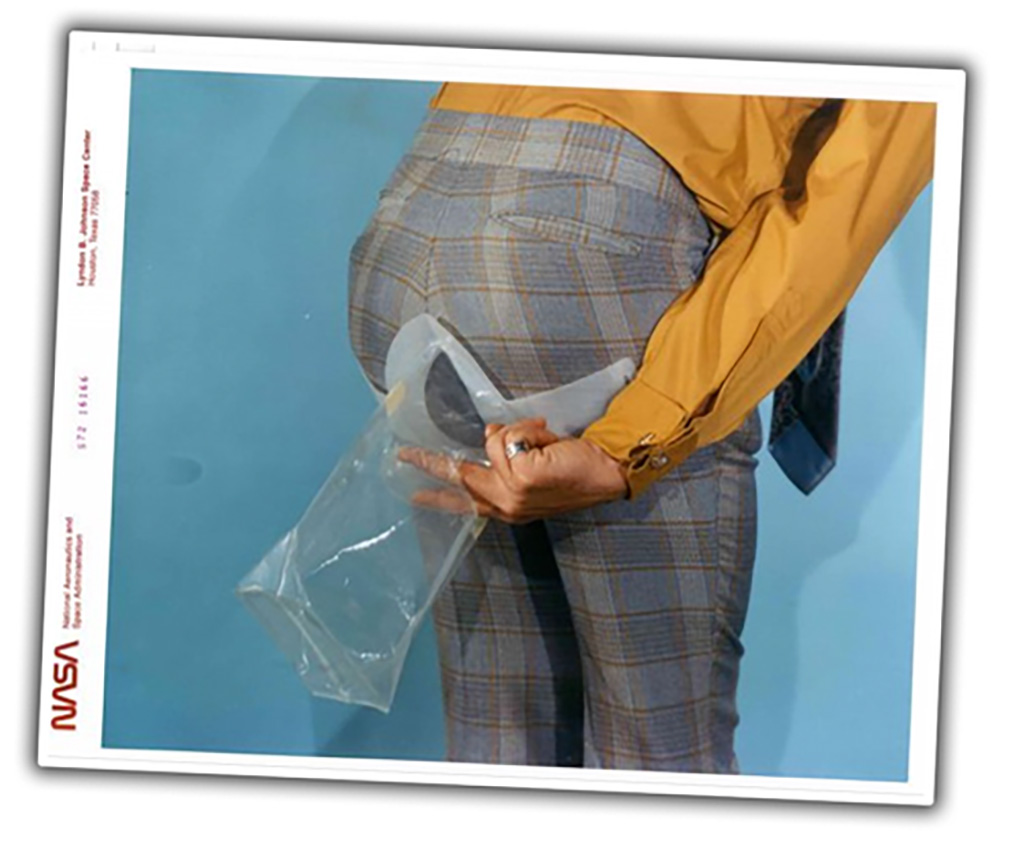 Image: NASA
Just imagine that sans the Sans-a-Belt slacks and much worse things in that bag than air. I actually reverse-engineered one of these bags and actually tried to use it myself, and I can honestly report that it was a miserable, dignity-obliterating nightmare. And I got to try it in actual gravity, not floating around in a tiny space capsule with two other people! These bags never worked great, and we have some direct reporting about that from Apollo astronauts, like this part of a transcript from Apollo 10, which went around the moon just before the actual landing during Apollo 11:
Cernan: “Where did that come from?”
Stafford: “Get me a napkin quick. There’s a turd floating through the air.”
Young: “I didn’t do it. It ain’t one of mine.”
Cernan: “I don’t think it’s one of mine.”
Stafford: “Mine was a little more sticky than that. Throw that away.”
Young: “God Almighty” (laughter)
Please note that none of the three astronauts claimed ownership of the floating turd. One of them was lying.
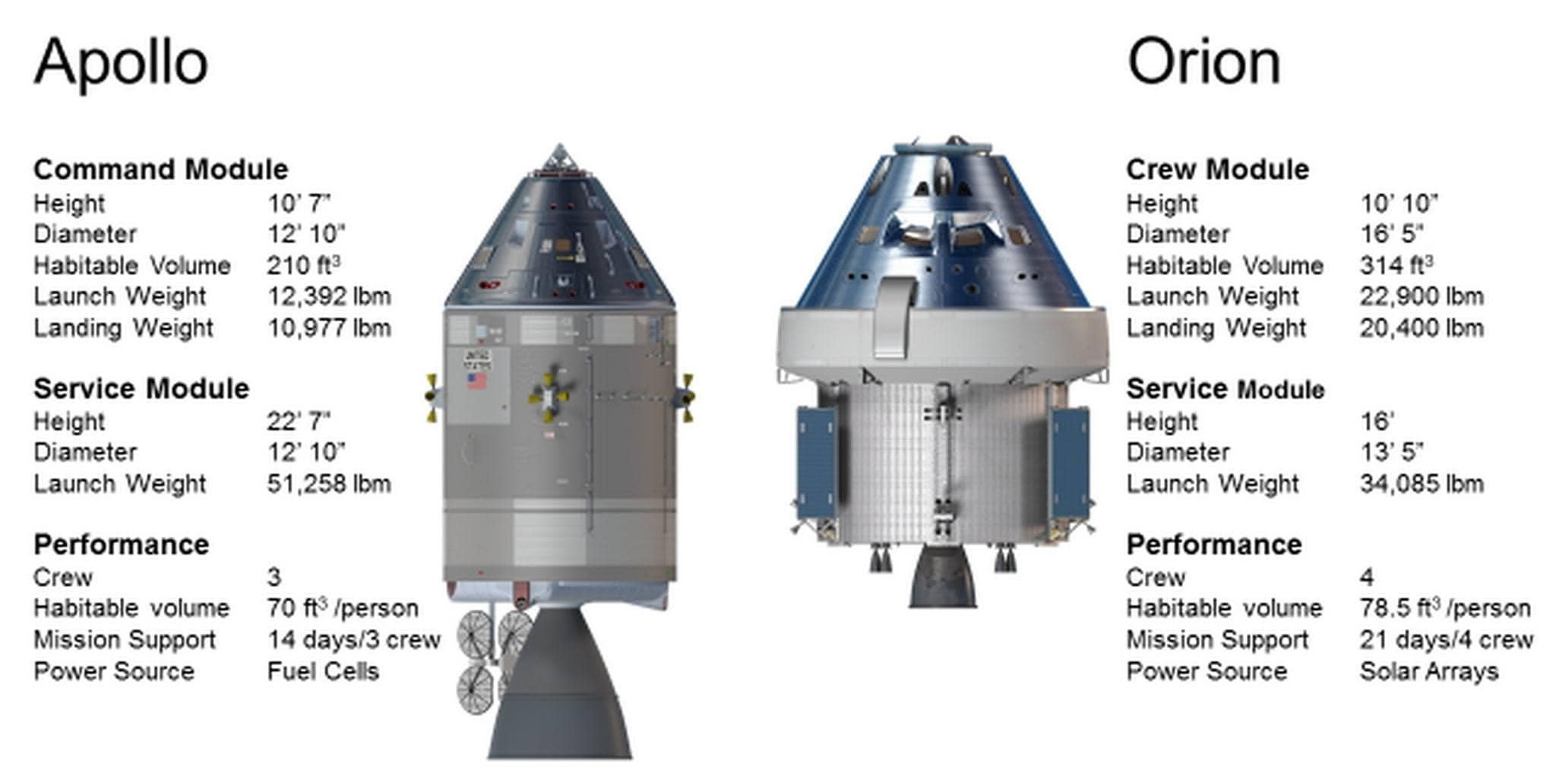 Image: NASA
That was a long time ago, though. The Orion capsule may look like the old Apollo Command Module in shape, but it’s vastly different, inside and out. It’s got 30% more interior volume, and even factoring in that there will be an extra person inside compared to Apollo, that still comes out to an extra 8.5 cubic feet of space per person compared to Apollo. And part of that extra space has been devoted to making a better space toilet solution, in every possible way. I mean, the bar was pretty easy to beat, when you consider the old way was shitting in a bag, just out in the open.
I think the biggest improvement has to be privacy. Even if they were still pooping in bags, being able to have some sort of enclosed, private compartment would be vastly better. In Apollo, the waste management area was just in a corner:
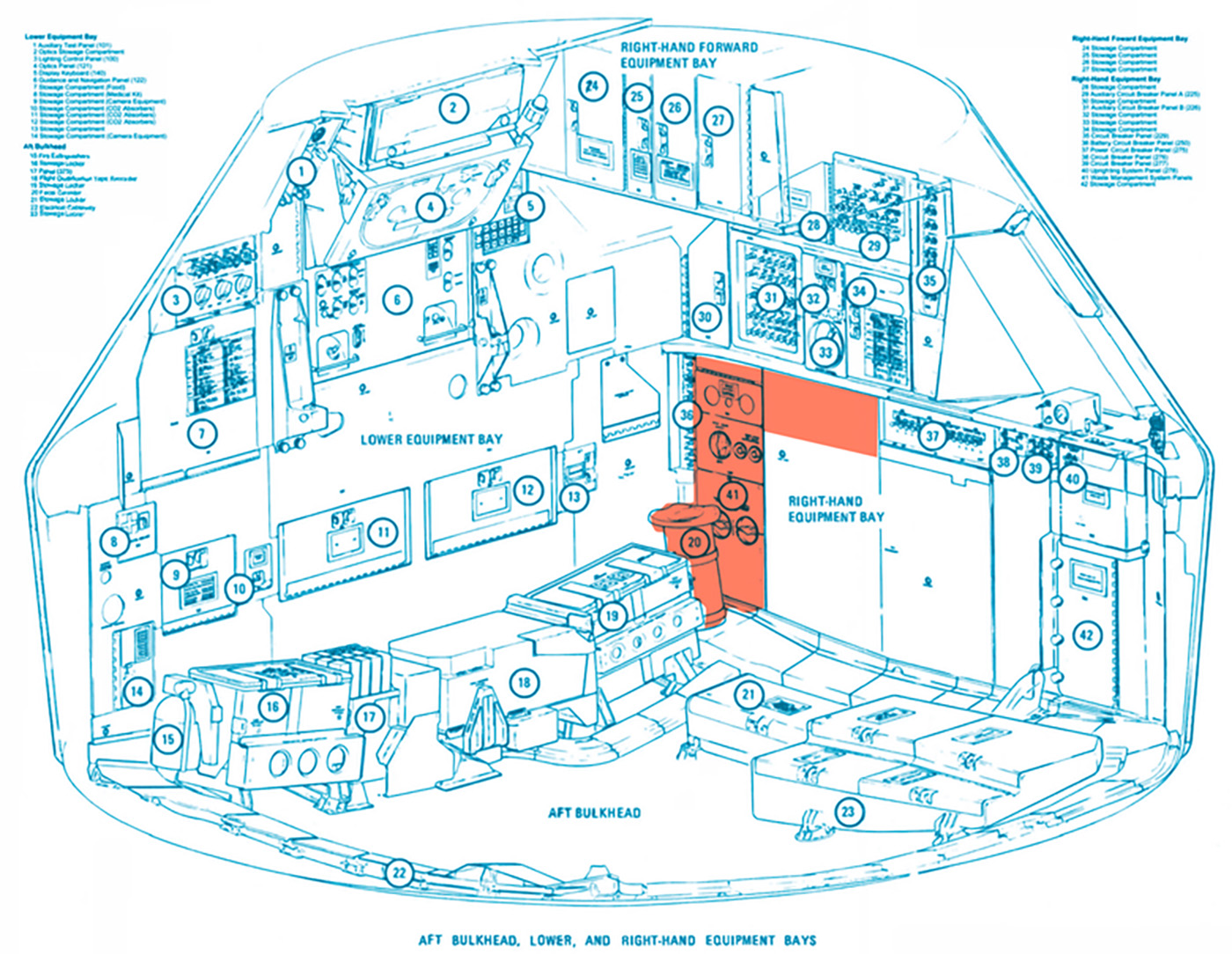 Image: NASA
That diagram deletes the crew couches for clarity, but as you can see, you’re just out there in the open. The Orion actually manages to cram a little separate compartment into the capsule for waste management:
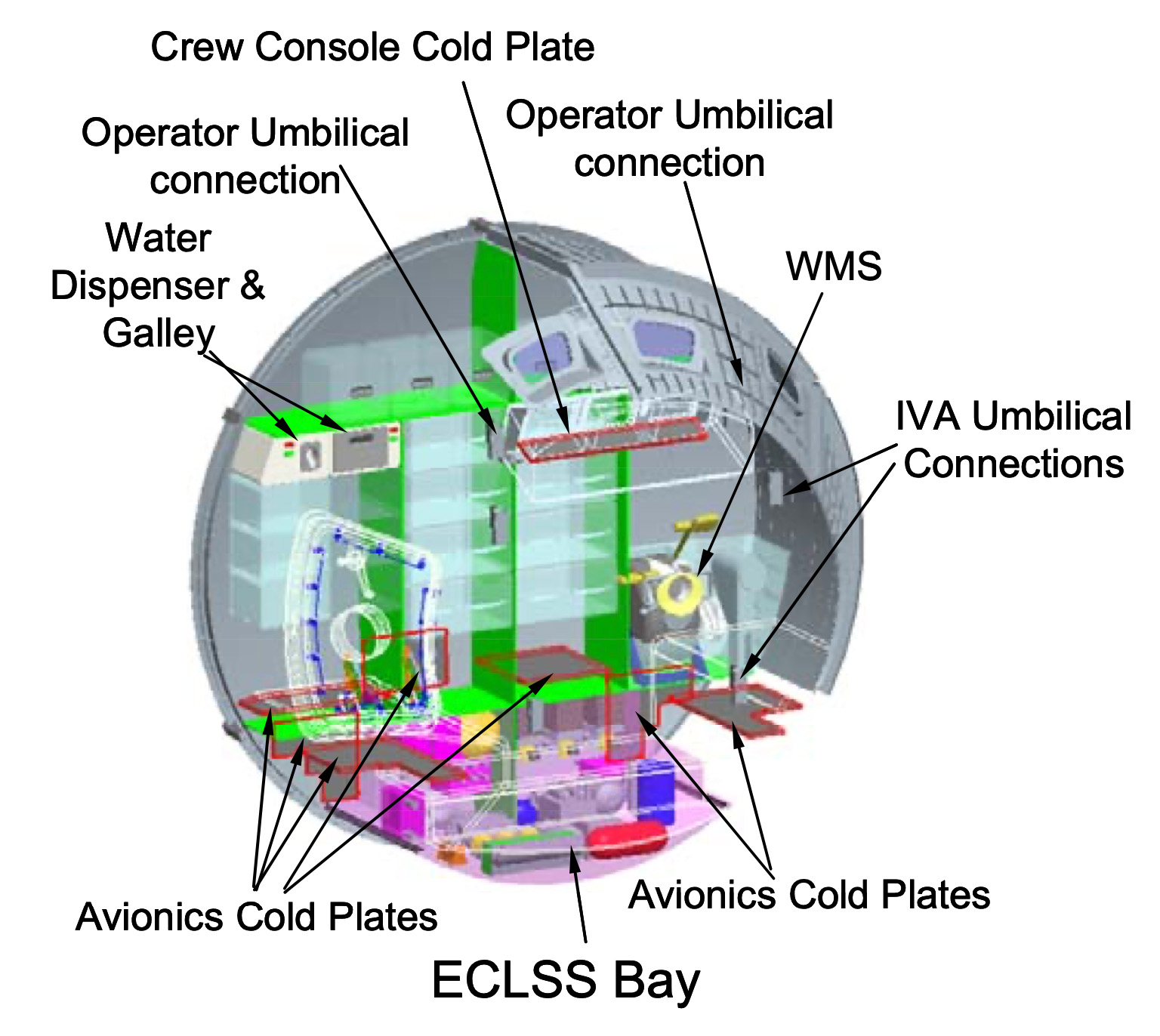 Image: NASA
See the label that says WMS? That means Waste Management System, and what it’s pointing to is Orion’s advanced space toilet, which is enclosed in its own tiny room. That diagram makes it a bit hard to visualize; I think you can get a better idea of where it is in this training mockup of the capsule:
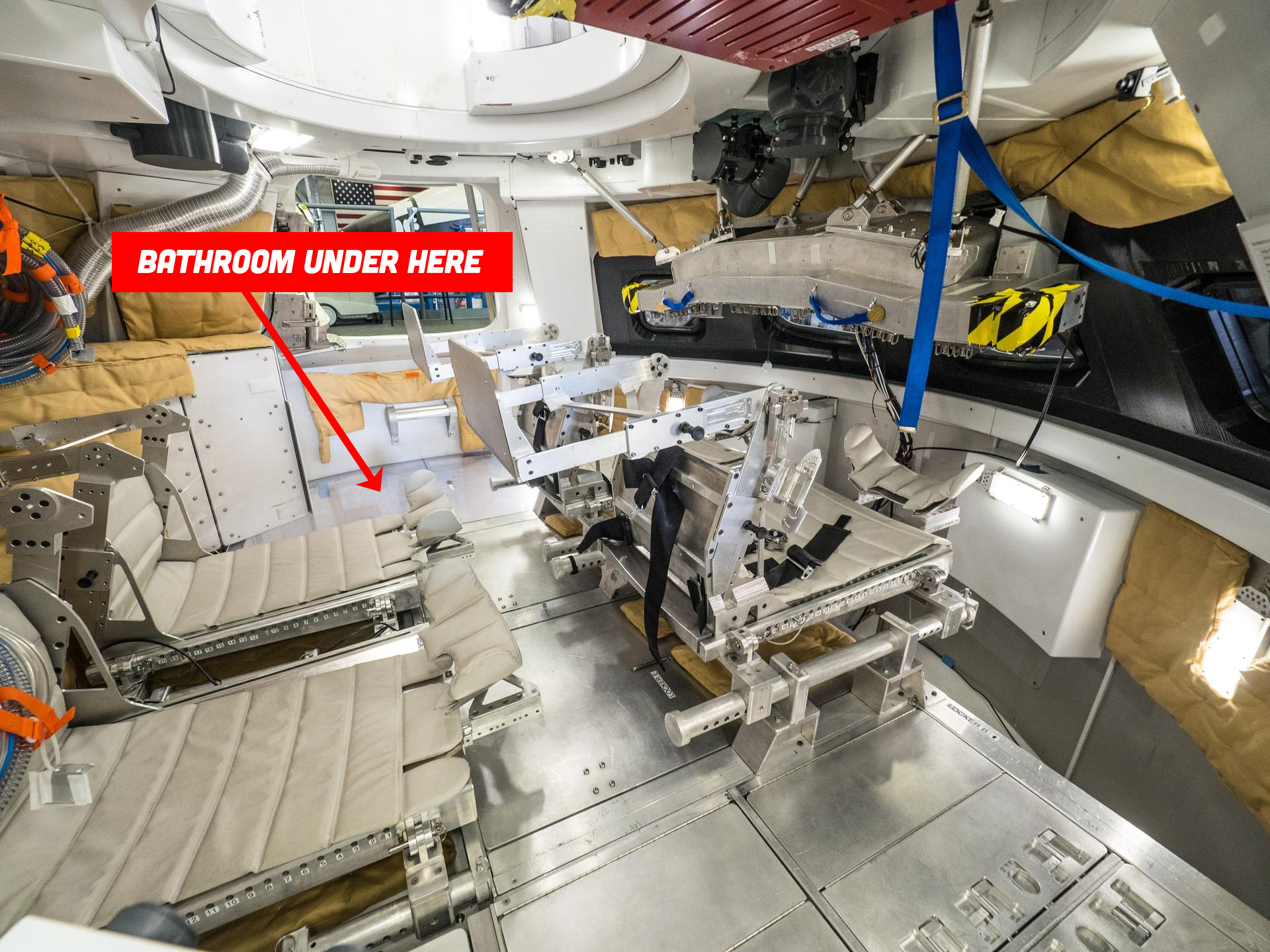 Image: NASA
See where the arrow is pointing? Behind the two tiers of couches, in what is sometimes the back wall or the “floor” other times, is a compartment that houses the UWMS, or Universal Waste Management System. When you open the door, this is what you see:
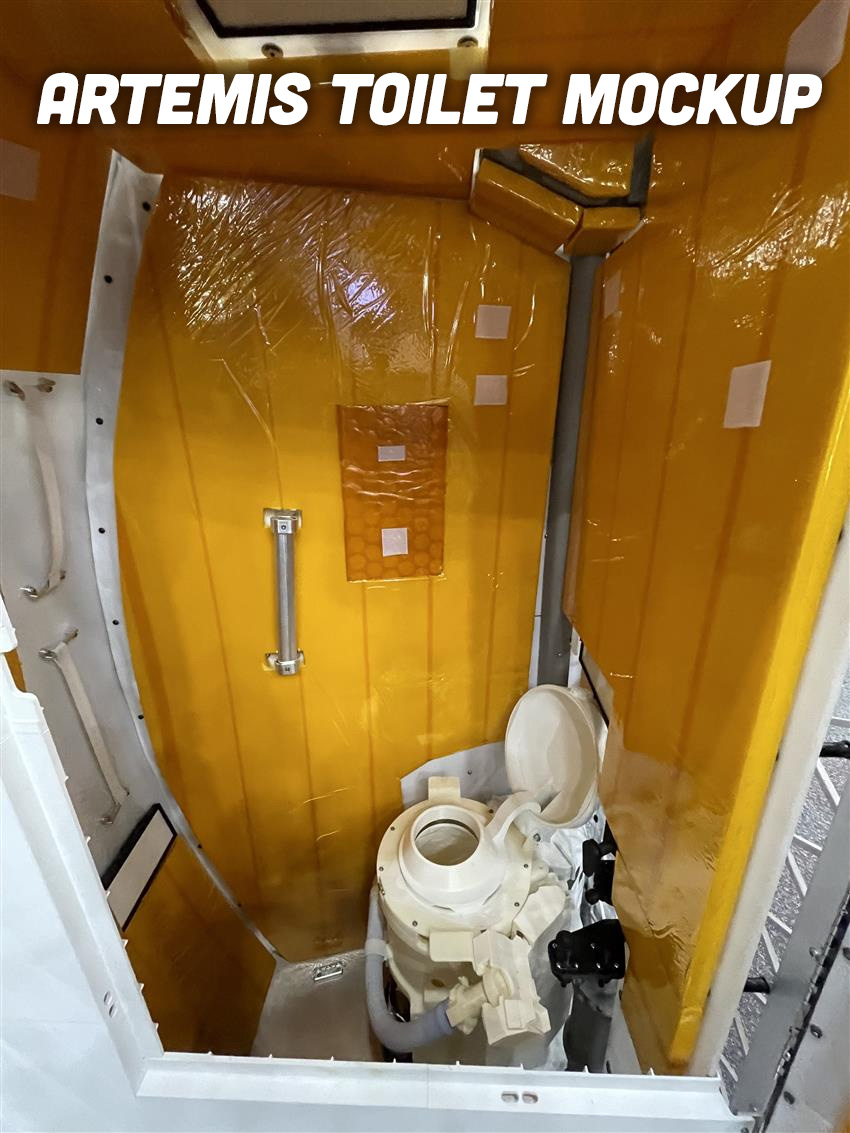 Image: Canadian Space Agency
That’s a small but very usable bathroom! The idea of a separate, enclosed bathroom/hygiene compartment on a small capsule like this is incredible. To be fair, the Soviets (and later Russians) sort of had this since the late 1960s with the Soyuz spacecraft, because that spaceship had two habitable modules: a roughly spherical orbital module and a gumdrop-shaped descent module. The simple space toilet on the Soyuz was in the orbital module, so a cosmonaut could ask his fellow travelers to go hang out in the descent module while they did their business, unless they wanted an audience, which is entirely up to them. Some of those missions were really long, I’m not here to judge.
Anyway, Artemis II will have both women and men on the crew, so some bathroom privacy will be especially appreciated, I suspect.
Here, you can watch Canadian astronaut Jeremy Hansen giving you a little tour of the Orion space shitter:
I’m really impressed by this; if the ventilation system works as well as it should, then this compartment could prove useful for giving the crew some non-pooping private time as well, too.
Here’s another good view of the hygiene compartment:
This Universal Waste Management System (UWMS) toilet traces its lineage to shuttle-era toilet systems, which later evolved into the UWMS used on the International Space Station, and that system was further refined and reduced in size to become the Orion UWMS. A prototype of the Orion system was installed on the ISS for in-space testing:
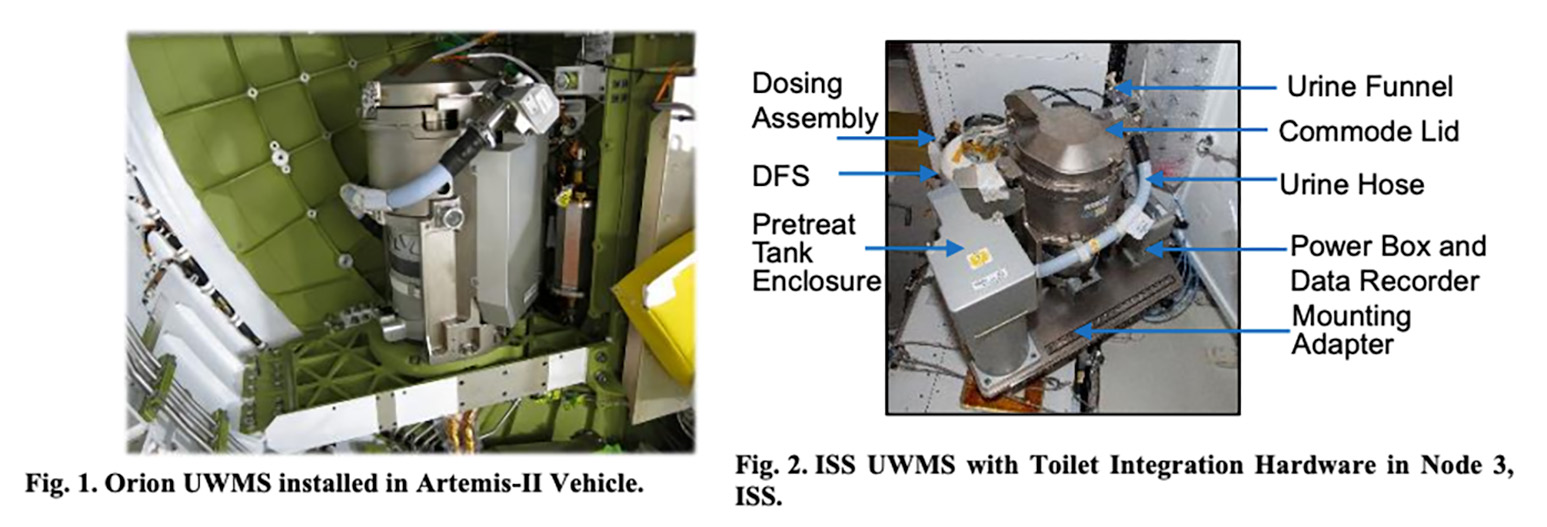 Image: NASA
Here’s how NASA describes the essential UWMS hardware:
The UWMS project’s two toilet units have key goals for a reduction in mass and volume over previous toilets used in space vehicles. The ISS UWMS (Toilet) is 65% smaller and 40% lighter than the current ISS toilet used by US crew in the Waste and Hygiene Compartment (WHC.) The Orion UWMS (WMS is 61% smaller than the toilet used on Shuttle missions. Air flow to aid in the collection of urine and fecal material is provided by a dual fan separator (DFS) which also serves to remove air from the urine/pretreat stream. Combining the two fans used in previous toilet designs into a motor arrangement with a single fan housing (separate impellers) provided much of the resultant reduction in mass and volume. The unit provides a simple startup operation with no need for an external panel that initiating the unit either with removal of the urine funnel or lifting the commode lid. Pretreatment of the urine is performed in both units to stabilize the urine for processing on ISS or venting on Orion. A Conductivity Sensor provides measurement of the concentration of pretreat dispensed for the ISS unit. Fecal deposits and consumables such as wipes, and gloves are contained in a hard-sided fecal canister.
This suction-based shitter is a real triumph of engineering, and the fact that the Orion is able to provide a private compartment for it is a huge development in human space travel. Very soon, people will return to lunar orbit, and while they’re out there, streaking through the vast darkness and cold majesty of space, they can take turns sitting in a private bathroom, comfortably crafting turds as they ponder the mysteries of the universe and our place within it.