
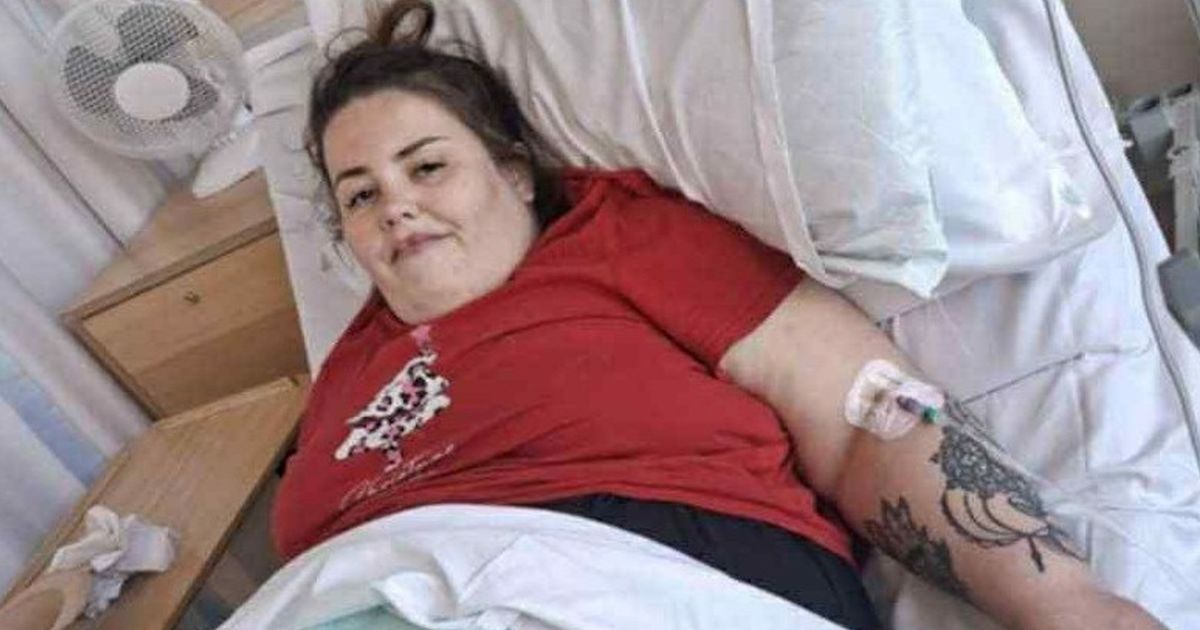
Alisha Trafford says it was a ‘magic’ drug when she first started using it in February 2025 to help lose weight and manage her painful PCOS symptoms
03:30, 21 Jan 2026Updated 10:19, 21 Jan 2026
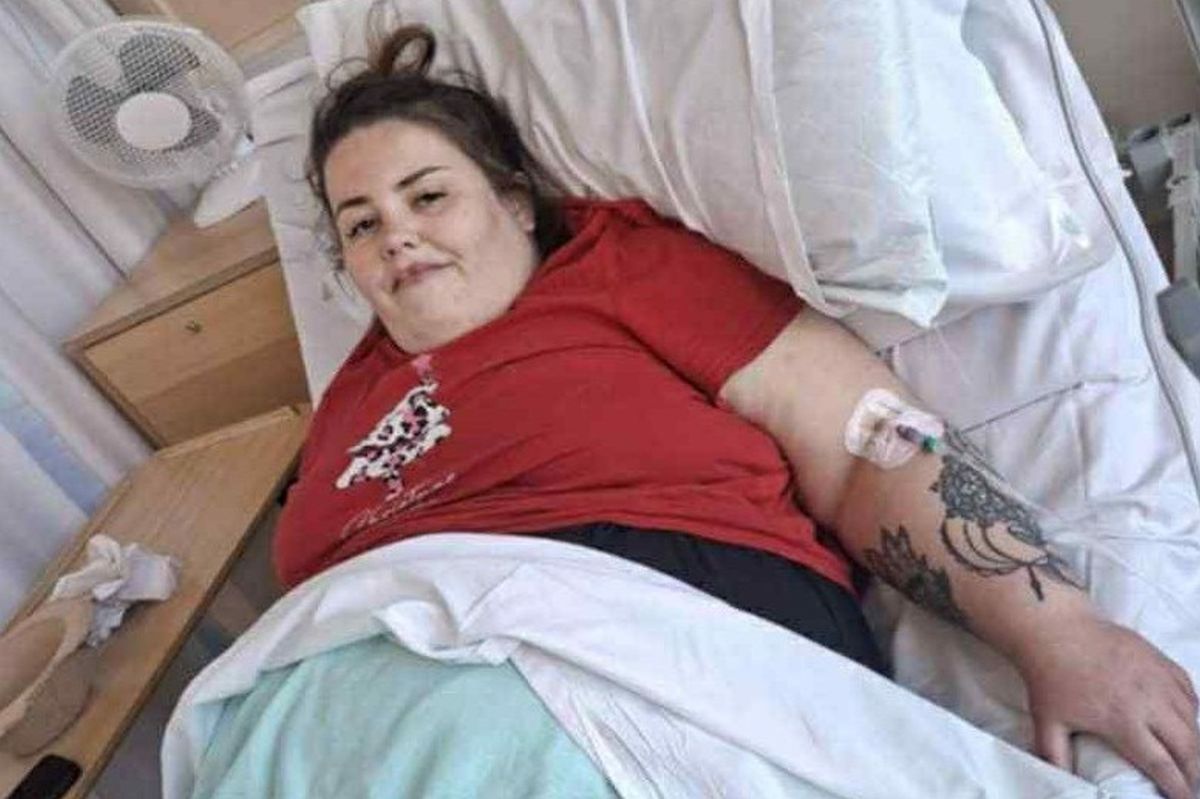
Alisha Trafford in hospital(Image: Kennedy News & Media )
A woman hailed Mounjaro as ‘magical’ when she dropped three and a half stone – only to be hospitalised with excruciating chest pains and a dying pancreas. Alisha Trafford says it was a ‘magic’ drug when she first started using it in February 2025 to help lose weight and manage her painful PCOS symptoms.
In just three months the 25-year-old, who ordered the £135 skinny jab from an online pharmacy, lost a whopping three-and-a-half stone. But after initial success Alisha, who doesn’t wish to disclose her starting weight, started to experience intense abdominal pain and vomiting on May 28 and was rushed to hospital.
The healthcare assistant was diagnosed with pancreatitis, which doctors allegedly told her was caused by Mounjaro. Alisha says she was in and out of hospital with pancreatitis over the next couple of months, with just a few days respite in between admissions.
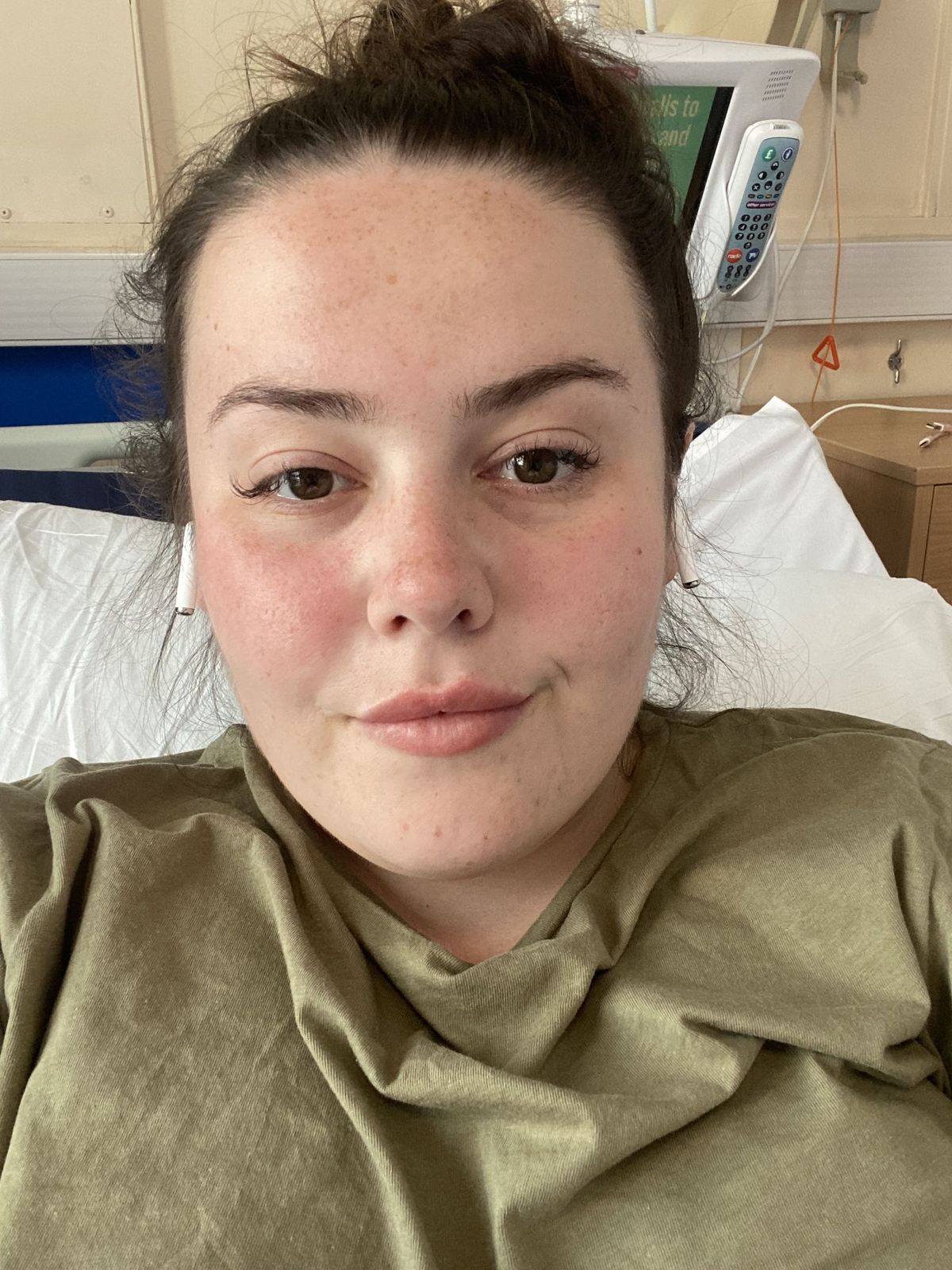
Alisha Trafford says it was a ‘magic’ drug when she first started using it to help lose weight and manage her painful PCOS symptoms(Image: Kennedy News & Media )
Eventually she was diagnosed with pancreatic necrosis, which happens when some of the tissue of the pancreas dies . This can lead to sepsis, which if left untreated can be fatal.
Alisha says she has now had to “put her life on hold” and if she knew what the side effects could be, then she never would have touched it in the first place. Lilly, who manufacture Mounjaro, said patient safety is its ‘top priority’.
Alisa, from Hull, said: “My weight has always been an issue since I was a teenager. I’ve tried different things to lose weight but it’s never really been as successful as Mounjaro was.
“Mounjaro was also helping my PCOS symptoms and it was just making my life better. It was probably the best thing I ever did at the time because everything started to change.
“It was quite nice, really, seeing everything start to clear up and feeling like you had a magic drug. It was pretty much magical.”
It was when Alisha started using her second pen that she started experiencing excruciating pain that led to her first hopitalisation in May, she said. Alisha said: “I’d been struggling with some abdominal pain for a while, but I didn’t really think much of it, I dismissed it
“Then one day the pain got really, really intense. I asked my manager to go home from work and that’s when it all really started to go downhill.
“Within six hours of me being home I rang for an ambulance, I was vomiting continuously. The pain was getting more intense and it felt quite similar to what I imagine a heart attack would feel like. I got to the hospital and I was diagnosed with pancreatitis.”
Alisha was treated with fluids and painkillers and was discharged from hospital after a week-long stay, but after 48 hours she was readmitted and diagnosed with pancreatic necrosis. Alisha, who stopped taking Mounjaro after her first hospital admission, said: “The only thing they could put it down to was Mounjaro.
“I couldn’t lift my head or speak because of how poorly all I was, all I could really do was sleep. The pain was agonising and my body was exhausted. I lost two stone while I was in hospital because I couldn’t eat. The consultant was adamant in the end that it was Mounjaro.”
After multiple hospital admission between May and August 2025, Alisha claims her consultant was stunned she was well enough to even talk. Alisha said: “I don’t think I realised how poorly I actually was until I went to see the consultant. He couldn’t actually quite believe I was sitting there and talking.
“He said he’d never seen so many admissions for pancreatitis so closely together like this and he was surprised how stable I was. He said the only reason I wasn’t in a medically induced coma was because of my age, if I’d been any older then it would have been a different story.”
Alisha was hospitalised with pancreatitis again on December 6th and says she will remain at risk of pancreatic issues for the rest of her life. She said: “My life has completely been put on hold. I’ve been told the pancreatitis is probably going to come back and I’ll be at risk of that for the rest of my life now.”
She says she regrets ever taking the jab – and never would have ordered her first one if she knew this would be the outcome. Alisha said: “I was that person that thought it [being hospitalised] wouldn’t happen to me. I have chronic pancreatitis and my pancreas is still healing, all because I wanted to make better changes and give myself a second chance in life.
“It’s heartbreaking because I saw taking Mounjaro as a way my life was going to change for the better. I was pretty much independent, I was healthy, I was getting on with my life, making plans for my future, now I’m just at risk constantly.
“If I knew this was what my life was going to be like then I never would have taken it.” Now working towards losing weight naturally, Alisha is warning people who take Mounjaro to seek medical attention if they start to feel unwell.
Alisha said: “Just be careful. Don’t ignore any pain and something doesn’t feel right, get it checked. Don’t ignore it, it’s not worth ignoring if something doesn’t feel right, get it seen to.”
A spokesperson for Lilly said: “Patient safety is Lilly’s top priority. We take reports regarding patient safety seriously and actively monitor, evaluate, and report safety information for all our medicines.
“The Mounjaro (tirzepatide) Patient Information Leaflet warns that inflamed pancreas (acute pancreatitis) is an uncommon side effect (which may affect up to 1 in 100 people). It also advises patients to talk to their doctor or other healthcare professional before using Mounjaro if they have ever had pancreatitis.
“We encourage patients to consult their doctor or other healthcare professional regarding any side effects they may be experiencing and to ensure that they are getting genuine Lilly medicine.”
What is Pancreatic Necrosis
According to the NHS Pancreatitis is a condition where the pancreas becomes inflamed over a short period of time. Pancreatic necrosis sometimes happens when people with severe acute pancreatitis develop a complication where the pancreas loses its blood supply.
This can cause some of the tissue of the pancreas to die. When this happens, the pancreas can become infected, which can cause sepsis and organ failure. It can be fatal if left untreated.