
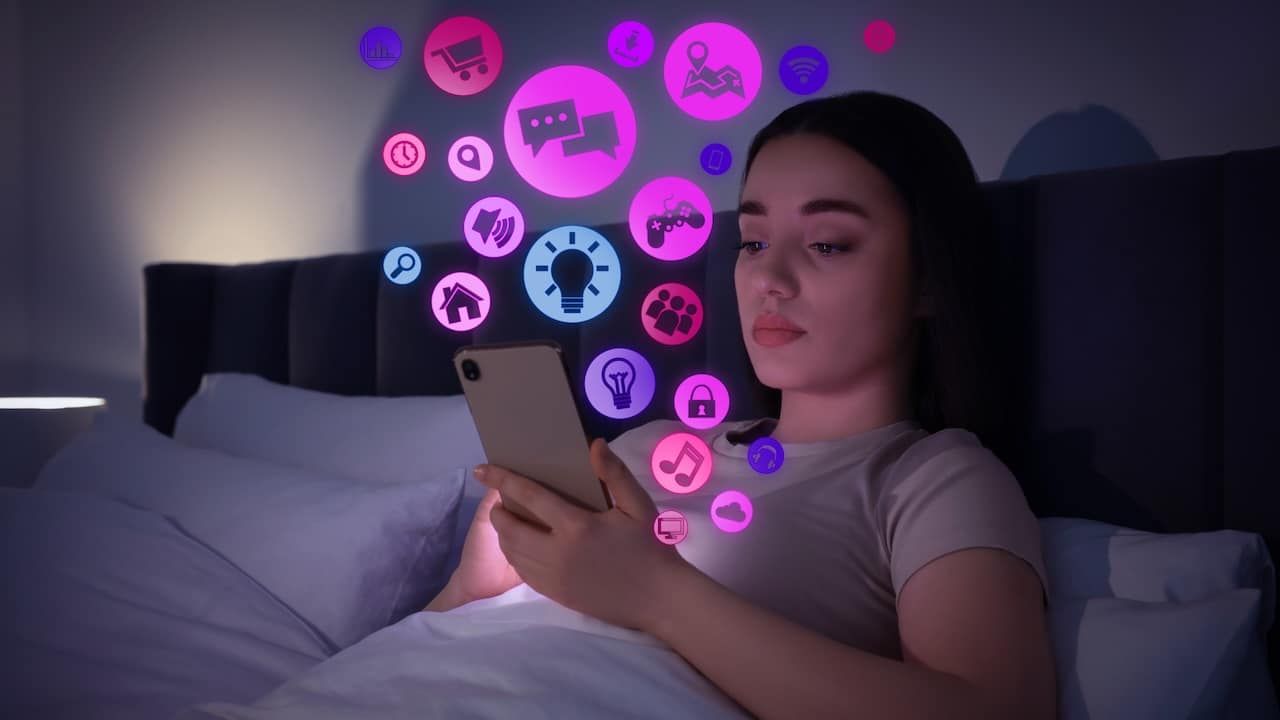
Have you or your child been affected by compulsive social media usage?

(Photo Credit: New Africa/Shutterstock)
Has social media impacted the mental health of you or your child? You may qualify to join a social media lawsuit against the platform.
Fill out the form on this page to share your experience and see if you are eligible.
Social media addiction has been linked to serious mental health issues, especially among children and teens. Experts and parents report that excessive use of platforms like Instagram, TikTok, Facebook, and Snapchat can contribute to depression, anxiety, body dysmorphia, suicidal thoughts or actions, and other harmful conditions.
Now, multiple lawsuits are claiming that these platforms intentionally prioritize engagement and profit over user safety, creating addictive experiences that put young users at risk. If you or your child has been affected by social media addiction, you may be eligible to join a legal action to seek accountability and compensation.
Do you qualify?
You may be eligible to join the social media addiction lawsuit if you or your child meets all of the following criteria:
Started using social media between the ages of 8 and 18
Currently 25 years old or younger
Used Instagram, Facebook, TikTok or Snapchat
Spent more than 3 hours per day on the platform
Received treatment, or will receive treatment, for body dysmorphia, an eating disorder, depression, severe anxiety or suicidal thoughts or actions
Fill out the form on this page to verify your eligibility and see if you can take legal action.
Fill out the form on this page for more information.
The law firms responsible for the content of this page are: Wagstaff & Cartmell, LLP; Kansas City, MO; 816-701-1100; wagstaffcartmell.com and LegaFi Law LLC (an Arizona law firm), 888-4-LegaFi, www.legafi.com.
Social media is promoted as a way to stay connected with friends and family, as well as a source of entertainment. However, growing research shows that spending excessive time on these platforms can negatively affect mental well-being — especially for children and teenagers.
In recent years, multiple social media addiction lawsuits have been filed against popular social media platforms. These social media lawsuits allege the platforms intentionally use design features and algorithms created to keep users engaged for as long as possible.
By trying to maximize screen time and user engagement, these companies may be contributing to addictive behaviors in young users, including children, teens and young adults.
Beyond fostering compulsive usage, the lawsuits argue that social media platforms expose vulnerable users to harmful content that can worsen conditions like depression, anxiety, eating disorders and body-image issues.
Researchers have identified several mental health conditions associated with social media addiction, particularly among adolescents and young adults. Reported issues include:
Body dysmorphia
Eating disorders
Depression
Severe anxiety
Suicidal thoughts or actions
Parents also report that children and teens struggling with compulsive social media use and excessive screen time may experience increased social isolation, cyberbullying and declining self-esteem.
Several major social media platforms have been named in lawsuits alleging they contributed to social media addiction and mental health issues among young users. These platforms include:
TikTok
Snapchat
Each of these companies is accused of utilizing features — such as endless scrolling, algorithm-driven feeds and constant notifications — that may encourage compulsive use and expose vulnerable users to harmful content.
If you or your child experienced social media addiction or mental health issues linked to excessive platform use, you may qualify to take legal action.
Getting started is simple. Complete the form on this page with basic information about your situation. A legal representative will review your submission and determine if you are eligible to file a social media addiction lawsuit.
Fill out the form on this page to see if you qualify for a free case evaluation.