

Listen to this article
Estimated 3 minutes
The audio version of this article is generated by AI-based technology. Mispronunciations can occur. We are working with our partners to continually review and improve the results.
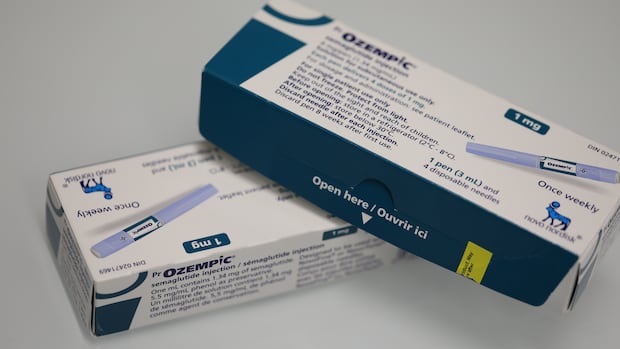
Health Canada is warning people not to buy or use fake or unauthorized versions of GLP-1 drugs such as semaglutide, the active ingredient in Ozempic and Wegovy.
In a public advisory on Wednesday, Health Canada said that as interest grows in GLP-1 products for weight loss, “some people may turn to authorized or counterfeit products, which could pose serious health risks because they have not been assessed by Health Canada for safety, effectiveness, or quality.”
The versions of the medications authorized for use in Canada are semaglutide (Ozempic and Wegovy injections and Rybelsus oral tablets) and tirzepatide (Mounjaro and Zepbound injections).
But Health Canada said it has identified various retailers in Canada selling unauthorized GLP-1 products — sometimes referred to as “fauxzempic” — both in stores and online.
Some websites and social media advertisements also misuse official Health Canada logos and display fake endorsements to mislead consumers.
“Health Canada never endorses a health product and does not allow its logo to be used in the advertising or packaging of health products,” the public advisory said.
Unauthorized or counterfeit drugs carry many risks, including:
Containing too much, too little, or none of the active ingredient.Containing unlisted, dangerous or unknown ingredients.Containing contaminants, such as solvents, heavy metals, particles (fibers, glass, plastic), or microbials (bacteria, fungi, endotoxins).Being poorly or incorrectly labelled.Being improperly manufactured or stored.
Unauthorized or counterfeit injectable products carry even more risks, such as infections due to lack of sterility, allergic reactions and other serious negative outcomes due to contamination, improper handling or unsafe administration, Health Canada said.
Selling unauthorized or counterfeit products or making false or misleading claims to prevent, treat or cure illnesses is illegal in Canada.
WATCH | WHO recommends GLP-1 therapies for obesity: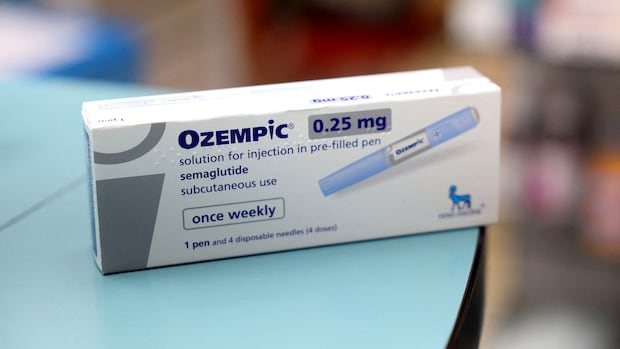
The WHO just backed Ozempic-like drugs. So what?
The World Health Organization has issued its first guidelines for the use of GLP-1s, such as Ozempic, to treat obesity. The National’s Erica Johnson asks Dr. Daniel Drucker — whose research helped lead to the development of these drugs — to break down the significance of the announcement and key things to consider when using GLP-1s for weight loss.
Health Canada has also listed known risks associated with the use of genuine GLP-1 products, including severe gastrointestinal problems, pancreatitis, worsening kidney injury and low blood sugar, particularly if combined with other medications.
The regulator advises people:
Only buy prescription drugs from a licensed pharmacy.Do not buy or use unauthorized products.Look for drugs that have been authorized by Health Canada by checking for the eight-digit Drug Identification Number (DIN) on the label and by searching Health Canada’s drug product database.Speak with your health-care professional if you have used an unauthorized GLP-1 product and have concerns about your health.Know the risks of buying drugs over the Internet and know how to choose a safe online pharmacy.Report any health product-related side effects or complaints, including suspected counterfeit and unauthorized products, to Health Canada.
The regulator said it is actively monitoring the marketplace. It can act by seizing products, and sending compliance or warning letters against the sale and advertisement of these products in stores and online.
Health Canada said it is working closely with the Canada Border Services Agency (CBSA) to stop unauthorized shipments from entering the country.
Amid shortages in June 2024, the World Health Organization warned of falsified semaglutides detected in Brazil, the United Kingdom and U.S. the previous year.