
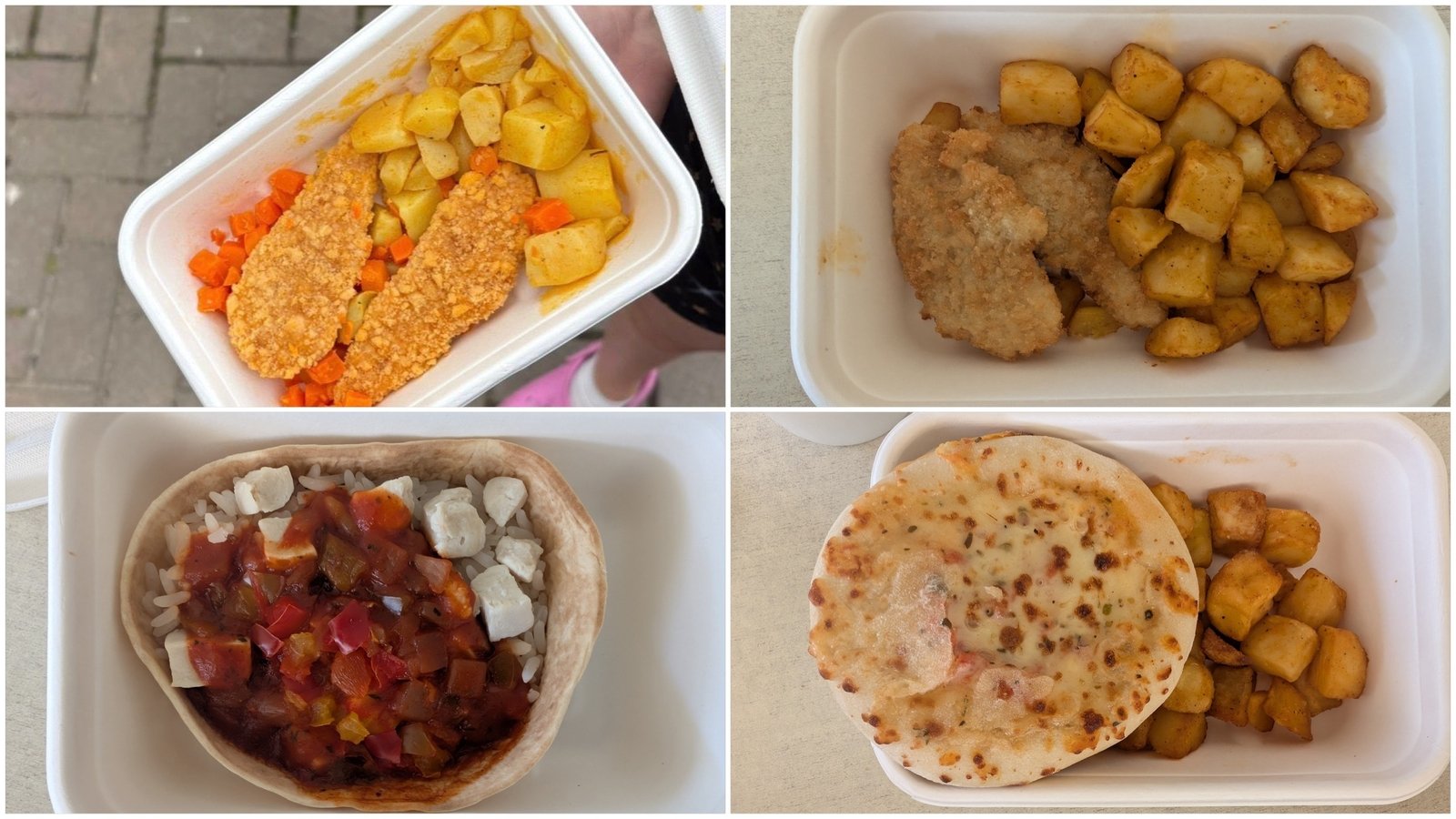
Barnardos has told an Oireachtas committee that not all of the over 35,000 children it supports would receive a hot meal without The Hot School Meal programme.
This morning’s Committee on Education and Youth evaluated the impacts of the Hot School Meals Programme.
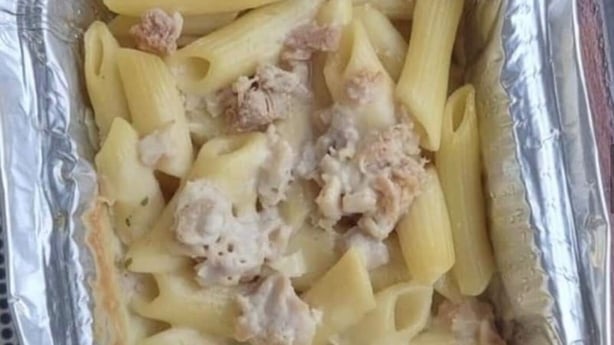
The Government programme sees hot meals provided to schools, but concerns have been raised over its procurement, food quality and packaging waste.
The programme has been available to all primary schools since September last year, with around 3,700 schools and organisations – and 682,000 children – eligible to access the scheme.
Barnardos said a report it published in July found that 40% of parents skipped meals or reduced portion size so their children would have enough to eat.
Additionally, its surveys and interviews with parents found 28% felt at some point they did not have enough food to feed their children, with 19% of parents and their children having to cut back or go without food over the previous six months.
Its national policy manager Stephen Moffatt said that hot meals significantly improve the nutrition of many children in a “way that is not stigmatising”.
Parents ‘overwhelmingly happy with the hot school meals’
He said the parents that Barnardos supports are “overwhelmingly happy with the hot school meals provided to their children and repeatedly state they and their children experience significant benefits as a result of their introduction”.
The committee heard the financial benefit for these families is “not insignificant”.
“That saving can be spent on other essentials the family would otherwise go without or have to cut back on,” Mr Moffat said.
Barnardos also called for the programme to be extended to secondary schools.
“The benefits for children and parents don’t stop once a child leaves primary school, nor too does child food insecurity,” Mr Moffat said.
Meanwhile, the Society of Saint Vincent de Paul (SVP) is told this morning’s committee that “food remains the biggest driver of need”.
Its Head of Social Justice and Policy, Louise Bayliss, said SVP received 112,772 requests for food assistance in 2025, with food requests exceeding 10,000 per month, for four months of last year.
Ms Bayliss said it is important to understand the level of food poverty when discussing the impact of the Hot School Meals Programme.
She said the 5,321 children living in emergency accommodation do not have access to nutritious meals.
However, Ms Bayliss said SVP understands concerns around the implementation of the scheme and called for a “robust” evaluation and implementation of any recommendations.
Ms Bayliss also said it is essential that the scheme is rolled out to secondary schools.
She said hot meals at this level would also encourage school completion, adding that “school is the route out of poverty” for many children.
The National Parents Council (NPC) said it conducted two national surveys to gather feedback from families on the scheme – one for parents and one for children.
The surveys were open from 13 January to 14 January and received 3,411 responses in total – 2,465 from parents and 946 from children.
Its survey found 87% of parents surveyed said there is a hot meal service in their child’s school, 49% of parents rated their overall satisfaction with the service at 7-10 on a 10-point scale.
‘Significant concerns’
However, the NPC’s CEO Áine Lynch said parents and children also raised “significant concerns” about the current implementation.
Parents reported that meals are frequently delivered hours before lunchtime, which then results in cold or soggy food, Ms Lynch told the committee.
The committee also heard that surveyed children expressed a desire for “simpler, fresher options”, including sandwiches and wraps.
“Families support the idea of school meals but believe the scheme needs major improvements,” Ms Lynch said.
“They want a programme that prioritises healthy, fresh, and appealing food, reduces waste, and involves parents and children in menu planning. Clear communication, flexibility for dietary needs, and age-appropriate portions are essential.”
‘Just filling a belly is not enough’
Social Democrats TD Jen Cummins called for an overhaul of the Hot School Meals Programme, pointing to “gold-star” examples in other countries like Finland and Japan.
“Just filling a belly is not enough,” said Ms Cummins.
“Everyone accepts that children cannot reach their educational potential if they are hungry, but feeding children properly means more than simply delivering calories.
“We need assurance that the food being provided is genuinely nutritious, sustainably produced and, where possible, locally sourced.”
Ms Cummins said she has real concerns “about the quality and consistency of meals coming from large-scale private providers”.
“Schools should be supported to prepare food on-site or source it locally wherever feasible. Nutrition underpins lifelong health, and if we fail to get this right now, we are storing up serious public health and social problems for the future.”
“If we as adults wouldn’t eat this, why are we providing it to our children?,” asked the Social Democrats TD.
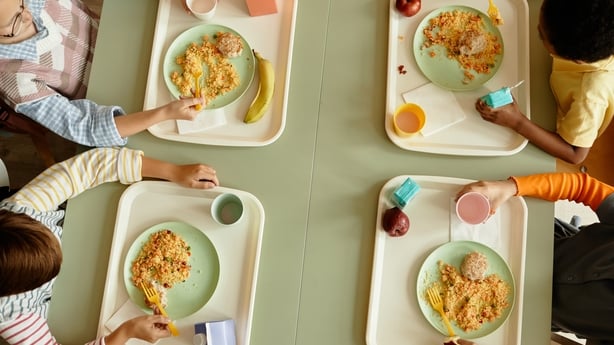
The amount of time that children have to eat their lunch was another issue raised.
Former primary school teacher and Sinn Féin TD, Shónagh Ní Raghallaigh said the amount of amount of food and package waste always struck her.
She said while teaching Junior Infants, she would send left over meals to senior classes, because the portion sizes for them were “inadequate”.
Ms Ní Raghallaigh said her son would not eat the hot meals.
“If you have a child that is a picky eater, they are not getting that hot meal,” she said.
Meals should be made from scratch
Celebrity chef Darina Allen said the meals should be sourced locally and made from scratch.
The founder of the Ballymaloe Cookery School previously raised concerns about the nutritional value of the meals provided to primary schools.
She said her concerns that the programme was “not fit for purpose” were shared by food professionals, academics and parents.
She questioned the nutrition and taste value of the meals and said it was a “missed opportunity” to teach children about their food.
“Children need a positive relationship with food and to understand the importance of food,” she told the committee, adding that they should be taught about how it connects to their local area and the seasons.
She said the current school meal programme was “undermining children’s health” and that the meals provided were “generally lacking” in nutrition, and said ultra-processed foods “dominate many school meals”.
She said that the approach was an “industrial” one “akin to airline food” and that reheating meals reduced their nutritional value, and also said food waste from the programme was “off the scale”.
“‘Something is better than nothing’ is far too low a bar for a national programme relied upon by so many children for daily nourishment,” she said.
Ms Allen said that cooking meals from scratch using locally sourced produce would “align” with the Government’s policies on a circular economy and support local farmers and businesses.