
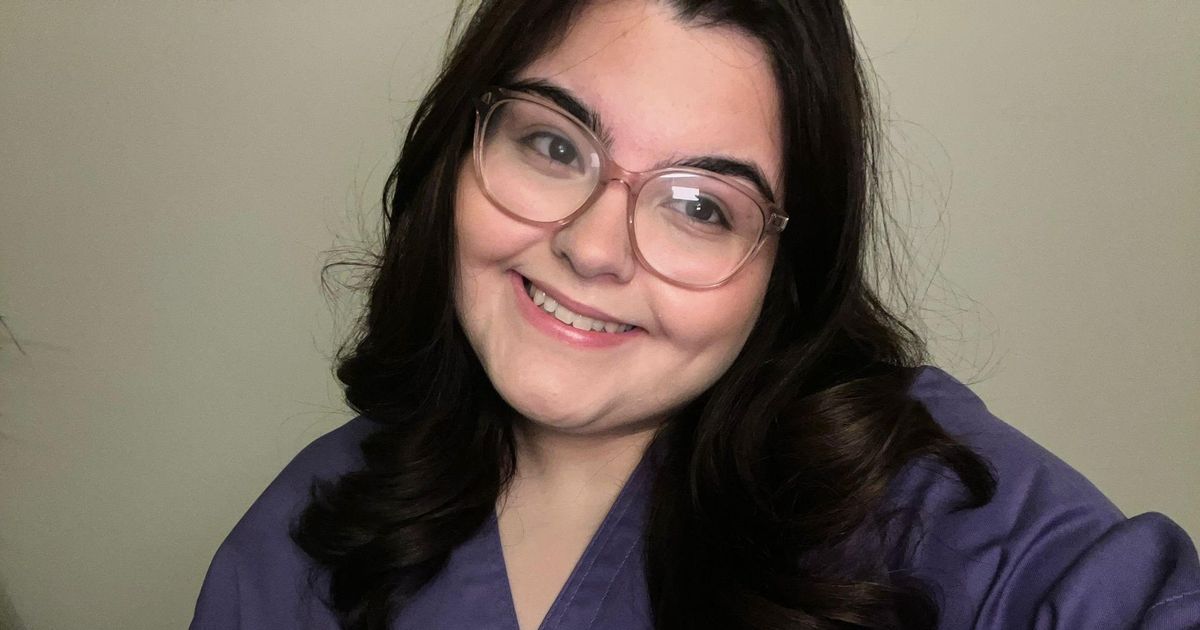
Ayla Jones first fell ill aged 12 and was in and out of hospital for years as matters got worse. But she now has an important message for people experiencing mental illness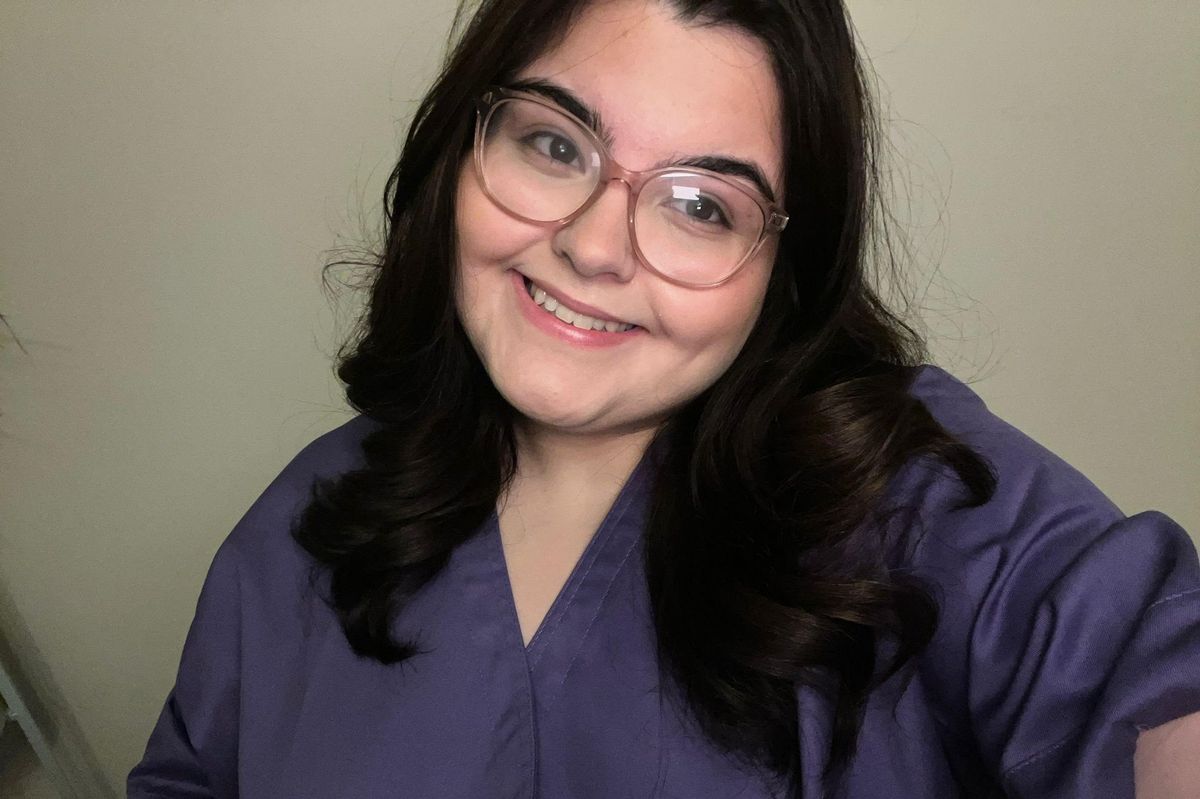
Ayla Jones, from Port Talbot, graduated as a mental health nurse from Swansea University after years of mental illness as a teenager saw her hospitalised and unable to attend school.(Image: Ayla Jones)
In a world where we hear a lot about mental health Ayla Jones has a message. Aged 24 she has just graduated after years of serious mental illness saw her sectioned as a teenager.
With her BSc in mental health nursing Ayla, from Port Talbot, can now fulfil her dream of working to help others as she says she was helped.
Her story of being so heavily medicated that she was, in her own words, “slurring” and “drooling” is hard to hear. Delusional at times she was so ill she needed in-patient treatment, missed school and felt isolated.
But as her medication was tweaked and medical teams supported her Ayla was able do an access course, get her quality of life back and fulfil a seemingly impossible dream to go to university.
She wants people going through mental health struggles, their friends and family, to know there is hope and support, even in the darkest times.
The NHS and mental health services are sometimes knocked, but Ayla said teams were there to help and Swansea University also had a specialist team to guide her.
She regrets she didn’t get more help at school but said her illness had given her the experience to help others and tackle the stigma around mental illness. This is what she now wants to do.
Ayla’s story began as she left primary and headed to high school 12 years ago.
As a child she lacked confidence and worried about the way she looked. Finding the move to secondary school stressful she tried to control the one thing she could – the amount of food she ate.
Soon Ayla was bingeing on food and making herself sick. But she couldn’t keep her anxiety and eating disorder hidden from her family. They noticed something was wrong and took her to the GP.
Referred to Child and Adolescent Mental Health Services, Ayla was diagnosed with bulimia, a condition she’d never heard of.
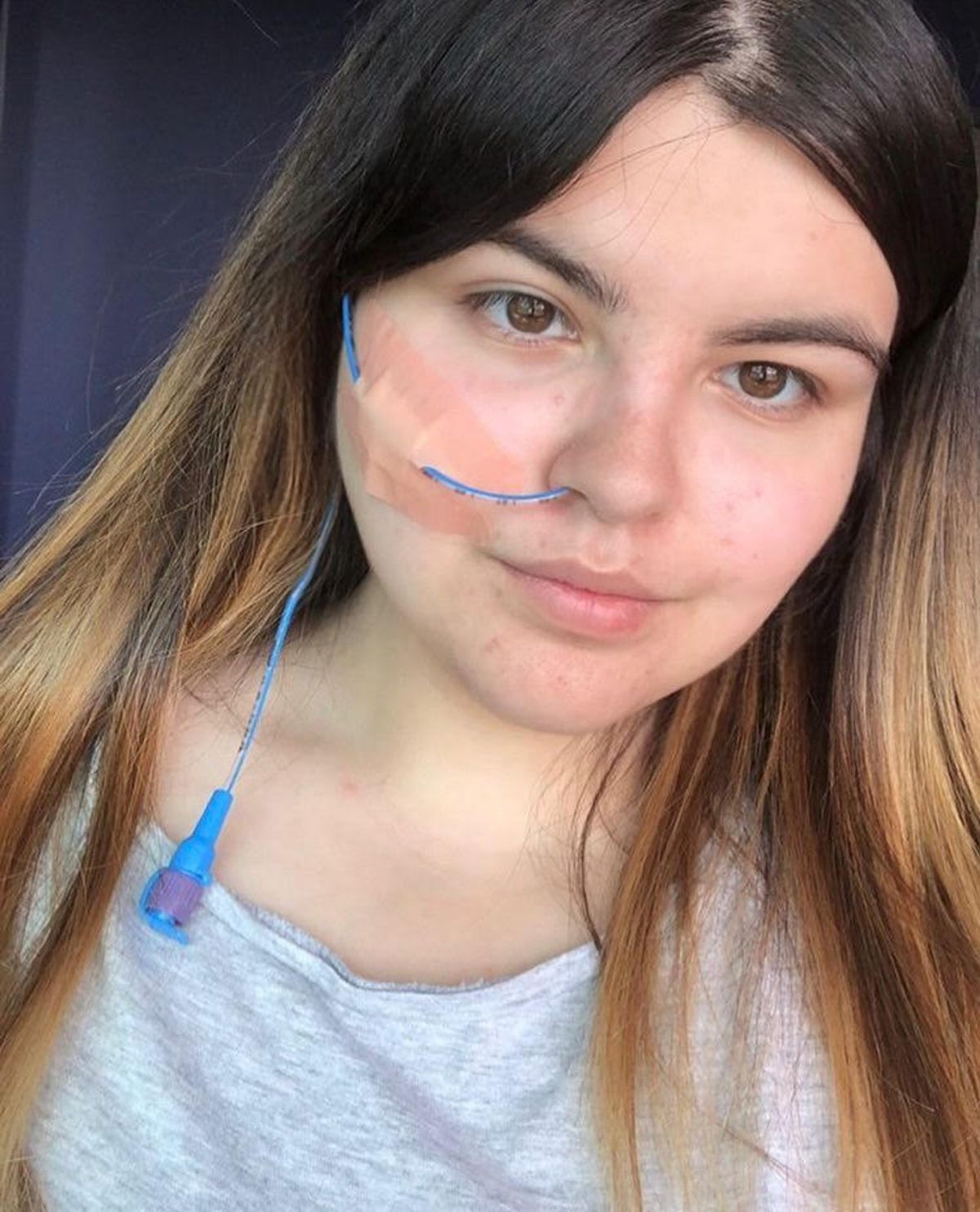
Ayla Jones aged 17 during hospital treatment.
(Image: Ayla Jones)
“I have always had issues with the way I look and lacked confidence and self worth,” she said.
“Controlling what I put in and out of my body made me feel better. Of course, now I know that’s not true.
“I used to restrict my food, which led to me bingeing and then feeling guilty and like a failure, so I would make myself sick.”
Soon, her mood dropped lower and she became “detached”. Controlling food had taken over Ayla’s life. She was young, hadn’t heard of eating disorders didn’t even know what they meant.
Little did she know but worse was to come.
In the next few years Ayla became so unwell she had to leave school, was sectioned and admitted to a psychiatric unit. For our free daily briefing on the biggest issues facing the nation sign up to the Wales Matters newsletter here.

Ayla was treated at Ty Llidiard, the adolescent mental health unit at the Princess of Wales Hospital in Bridgend(Image: Chris Fairweather/Huw Evans Agency)
Initially Ayla was given therapy and put on antidepressants for anxiety and depression aged 13. Home educated, she went from being in top sets to unable to sit GCSEs, without friends and isolated.
When her mental health deteriorated further Ayla described how her thoughts took a frightening turn.
Believing someone was working with the devil to kill her and her family, Ayla was sectioned under the Mental Health Act and admitted to the CAMHS inpatient unit, Ty Llidiard, at the Princess of Wales Hospital in Bridgend.
“At 15 I began to develop psychotic symptoms which led me to being sectioned.
“I was paranoid and believed that someone was working with the devil to kill me and my family. I believed that I needed to save the world from this person and the devil.”
Ayla thought she was well and that those trying to help were plotting against her.
Doctors at Ty Llidiard diagnosed her with schizoaffective disorder – bipolar type.
“I experienced auditory and visual hallucinations. Despite the fact that health professionals explained that this is because I was really unwell, I believed that this was all part of the plot and that everyone was against me.
“I didn’t believe I was unwell, I thought it was everyone else around me. I wasn’t sleeping, I was manic which exacerbated the symptoms and ultimately, I had completely lost touch with reality.”
Ayla was so ill there is a lot she can’t remember about that period of her life. But she recalled being very fearful of the world around her.
“Nothing, or no-one, could have convinced me that I was unwell, that what my mind was making me believe wasn’t true. It was so real it’s hard to put into words.
“I was so unwell that it was hard to be managed and treated in the community. For my own safety I needed to be in hospital. But part of my delusion was thinking that everyone else was unwell and working against me with the devil, so I didn’t trust anyone,” she said.
“It was in my best interest for me to be in hospital, which I can see now looking back.”
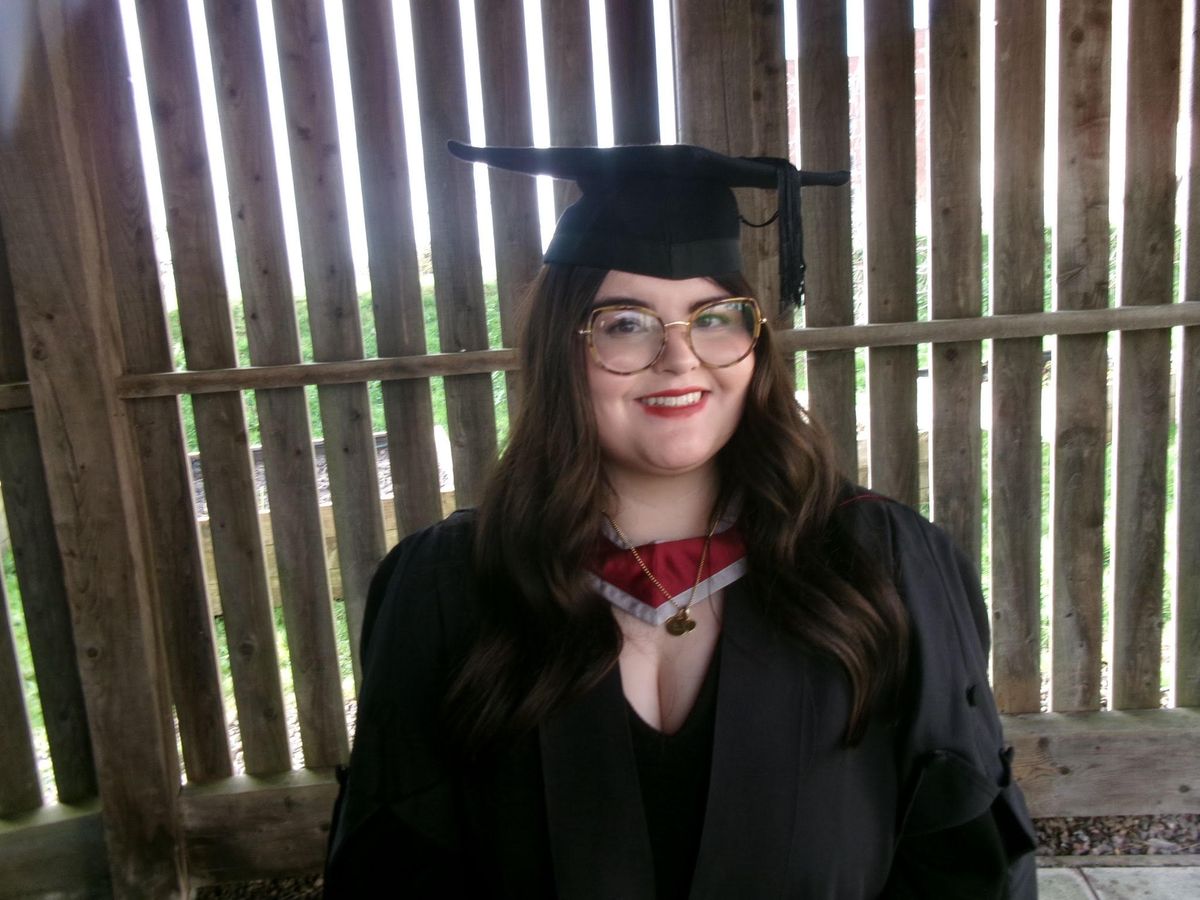
Ayla Jones, from Port Talbot, on her graduation day from Swansea University in 2025. While she was ill she dreamed of one day qualifying as a mental health nurse. She now has a BSc Nursing (Mental Health).(Image: Ayla Jones)
Every week a community psychiatric nurse from the early intervention psychosis team came to take the teenager out of the unit and back into the community so she didn’t lose touch.
She had to learn to function by herself and had never even caught a bus on her own.
Ayla said this nurse, and the whole team were “incredible”. Their care led to a life-changing decision.
As the team helped her and her family understand and navigate the frightening diagnosis their support was crucial.
Ayla hoped one day to become a psychiatric nurse too, but this seemed impossible given her illness.
“The part that the team played in my recovery made me want to be a mental health nurse even more. Achieving this goal felt unimaginable at the time given my diagnosis. There is such a fear and stigma around mental ill health.”
Ayla’s teenage years between 15 and 18 were a cycle in and out of hospital. Her symptoms came and went depending on whether or not they could be managed in the community.
Aged 18 she left CAMHS and was referred to adult services. It was only then, she said, that her medication was tweaked to help her live the life she had dreamed of, spurred on by the team who helped her.
Her description of years on medications as they tried to find the combination that worked is heartbreaking.
“I was first put on mental health medication when I was 13 and put on antidepressants. Then from the age of 15 onwards I was put on a range of antipsychotic medications. It was trial and error and nothing seemed to be having the desired effect.
“Just after my 17th birthday, which I spent in hospital, my doctor proposed the idea of clozapine to my parents. Clozapine is considered a ‘last resort’ drug, when other antipsychotic medications haven’t been effective.
“My parents were made aware of the significant effects that clozapine can have on the body. It’s a drug that has to be very closely monitored. After consideration and meetings with my parents and care team, it was decided that we would try clozapine.
“Unfortunately, my body responded negatively to it, it was too dangerous to continue, which meant they had to stop the medication immediately.
“Then, when I was 18 I was referrred to adult mental health services. Before that I had been on strong medications for three years. I was still in my mid teens, and the effects of the strong antipsychotic medications decreased my chances of gaining the quality of life I wanted.
“I had no friends and couldn’t hold conversations without slurring and drooling. I was sleeping most of the day and I had no social life. I was simply existing, not living.”
Now an adult Ayla told her psychiatrist she wanted to improve her quality of life. He agreed and the decision was made to trial her on mood stabilizer medication when she was 19. This had an almost immediate and life-changing impact.
“Once the medication kicked in, my moods were managed and stable due to the medication, which meant my psychotic symptoms decreased and my quality of life improved. It was 100% life-changing.”
In the next four years the new medications and support meant Ayla was able to start turning her life around.
She completed a a BTEC level 1 health and social care course and an access to health access course at Afan College which took her to a foundation course and finally a degree at Swansea University. This had seemed unimaginable a few years earlier.
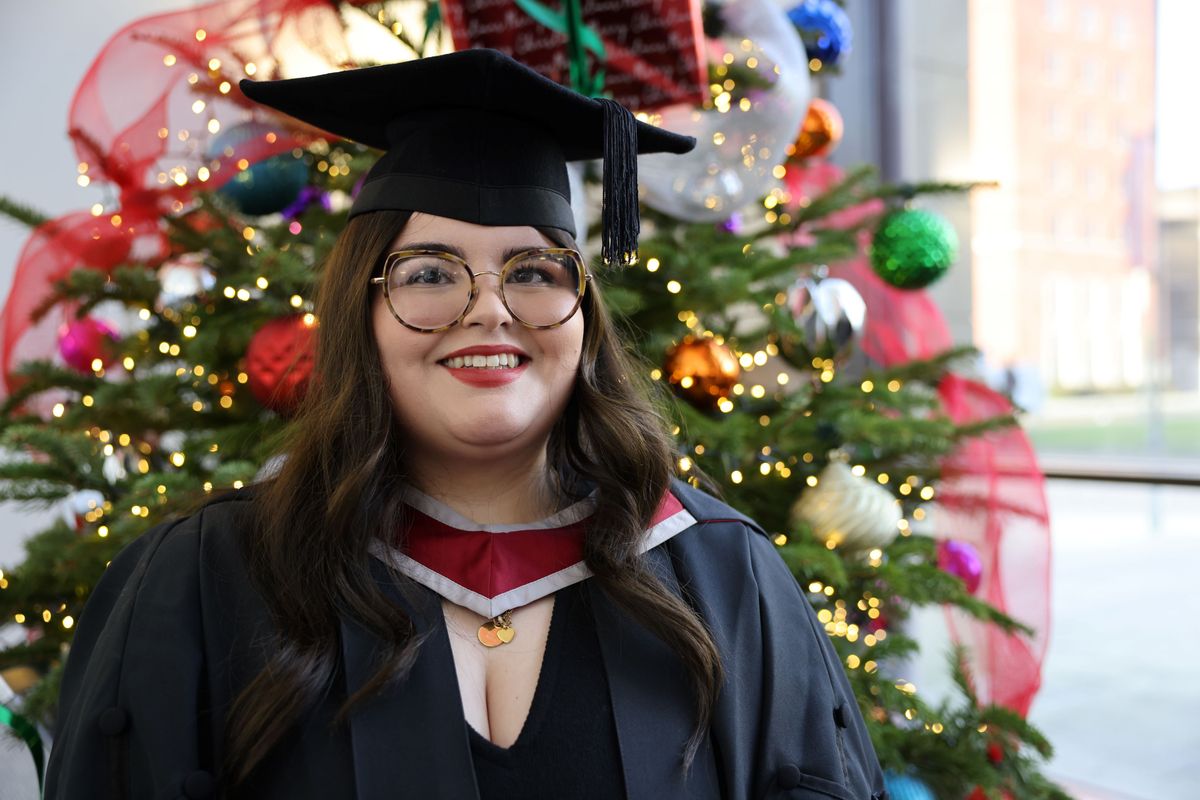
At Swansea University Ayla had help from the university wellbeing team and was assigned her own mental health mentor who could support her through her degree and healthcare placements.(Image: Swansea University)
After years of illness and then hard studying Ayla fulfilled her dream when she graduated with a BSc in Nursing (Mental Health) from Swansea University in late 2025.
She said she felt “blessed” by the help she had and her “incredible supportive family” and friends. Now, living with her partner of four years, she is busy, like any other graduate, job hunting.
Ayla hopes to work as a psychiatric nurse helping to fight stigma and addressing gaps in support for school age children.
“With the support and encouragement from my family, the friendships I’ve formed, the support I’ve had from my mentors from university and placements, I am now a qualified mental health nurse.
“I’m living my dream which I never thought would have been possible given my diagnosis. I hope I can shed light and provide hope to those who may be currently struggling mentally, or who have struggled,” she said.
“I hope I can also show that people can still live a fulfilled life, achieve goals and dreams, and most importantly, that they deserve to and are worthy of so many amazing things. Your life doesn’t have to be defined by a label or diagnosis.
“I think I will always need medication to function. I am living my life because I manage my mental health well.
“This is due to a combination of medication, support from my family and friends, and the increased self awareness that I have developed. I know what keeps me well and what my potential triggers are.
“In a sense, I feel grateful that I went through what I did at such a young age because it has given me great insight, and a passion and goal to raise awareness and make a difference.”
To those who judge people with mental illness she has this to say: “It is my brain and it is no different from needing medicine for another condition. It should not be stigmatised.
“Everyone deserves to live the life they want, and however that may be, they should be accepted and not shameful.”
Now she wants to help others who may be going through what she experienced. She wants people to know there is help and life can change.
“I know what it is like to be really unwell and I have the ability to put myself in the shoes of someone going through the same thing.
“I hope to raise awareness and make changes within schools to help children and young people struggling with mental ill health in a supportive and inclusive way, all the while sharing hope that we can still achieve our dreams.”
Get daily breaking news updates on your phone by joining our WhatsApp community here. We occasionally treat members to special offers, promotions and ads from us and our partners. See our Privacy Notice.