
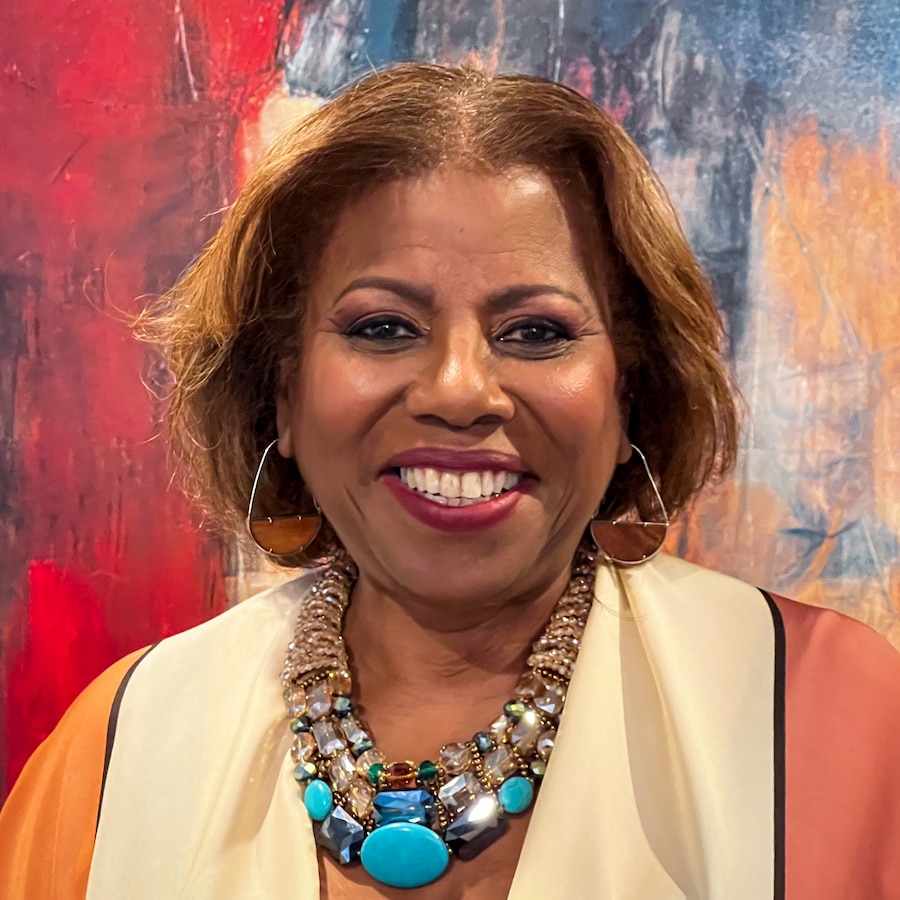
It was an August 2012 “Essence” article that first introduced Charity Davis-Lowe to Deborah Owens.
Owens, a Baltimore-area financial adviser, was pictured in a hot pink blazer, her hands set on her hips, her eyes staring straight ahead — right at a young Davis-Lowe. The magazine-dubbed “money coach” talked of investing early in 401(k) accounts and picking up side hustles, but her biggest point was that wealth is a mindset.
“Financial independence is an outcome of your attitude and behaviors,” she told the magazine.
The interview resonated with Davis-Lowe, then a fresh face in the financial industry. She put stars around Owens’ name and looked up her contact information, nervous but excited to connect with a Black woman who had found such success in the business.
One phone call became two, then three and then four. Owens sent her a copy of one of her books, and Davis-Lowe watched hours of her content on YouTube. Owens started calling her mentee “Grasshopper” — a reference to “The Karate Kid” — and they built a relationship that lasted until the day she died.
“She’s very generous with her time, talent and her treasure,” Davis-Lowe said. “She needs to be remembered as someone who cared deeply about others and their financial health.”
Owens, a prolific author and public speaker who founded the financial education company WealthyU, died Jan. 4 of colon cancer. She was 66.
She was born in Detroit on May 2, 1959, the youngest of Irma and Willis Thomas’ five children. She was a bright student, skipping grades early in life, and her parents always made sure to tell her how special she was, said her husband, Terry Owens.
Her father worked in the airline industry, which brought the family to Hawaii for a few years before her parents separated. She returned to Detroit, where she watched her mother struggle to make ends meet. She knew then that she would always want to be financially independent, to have a “purse of her own” — eventually the name of one of her books.
She briefly attended college at Oakland University in Michigan but decided to start working full time instead. She was the manager of a women’s clothing store in Detroit when she met Terry, who saw her at a club and asked her to dance.
They dated for five years before getting married, spending their days antiquing, traveling and eating good food with good friends. But for all of their shared interests, it was their friendship and shared ambition that was truly the foundation of their life together, Terry Owens said.
“We were dreamers,” he said. “We had a desire for something more than either of us had growing up.”
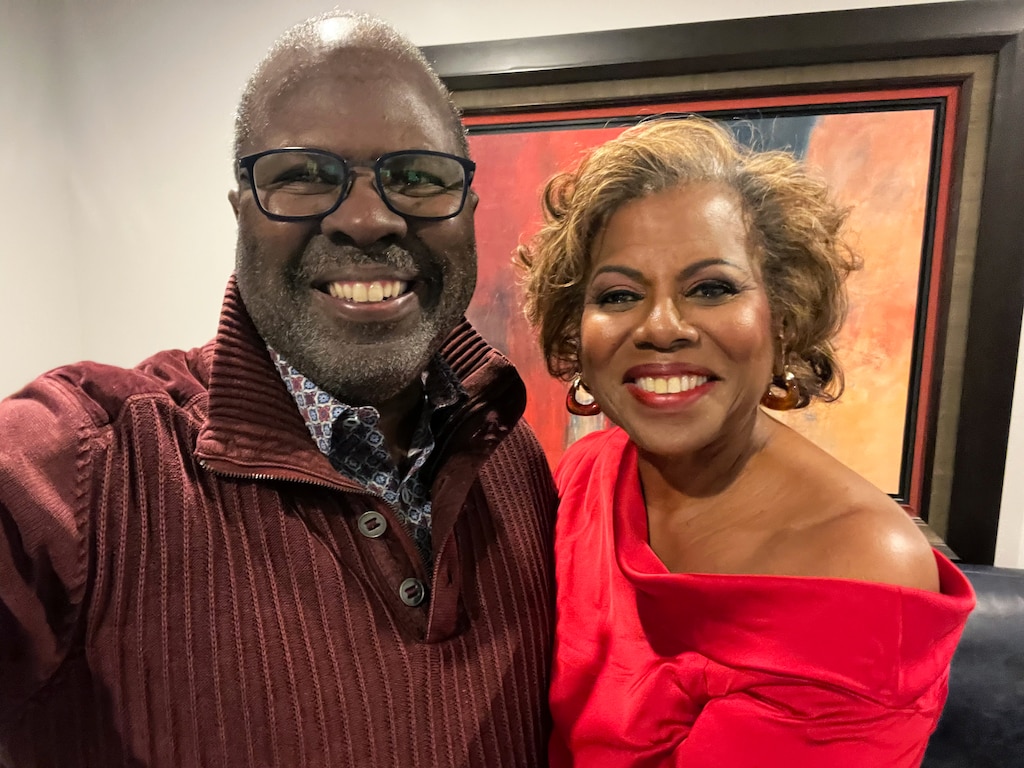
Deborah Owens and her husband, Terry Owens. (Courtesy of Walinda West)
A few years into her retail career, Deborah landed a job as a receptionist at a Merrill Lynch office in Detroit. Managers saw her potential and asked if she’d be interested in pursuing a license to become a broker, her husband said. She then moved to Fidelity Investments and worked her way up to management. The gig took the Owenses to San Francisco for a few years before Terry’s job as a reporter brought them to Columbia, now with young children.
They had started a family, first welcoming Brandon and, four years later, Olivia. Deborah approached motherhood the same way she approached her career, her husband said — by giving it her all.
The couple worked hard to give their children opportunities they never had. Brandon played soccer, and Olivia danced. They both swam and played instruments. Deborah made sure her children practiced their reading and public speaking skills, curating experiences to help prepare them for the real world, Brandon Owens said.
“My mom really expected a lot and believed that I was capable of so much, and wanted to see me realize that potential,” he said, describing her parenting style as “pedagogic.”

The Owens family on vacation. From left, Terry, Olivia, Deborah and Brandon. (Courtesy of Walinda West)
She filled their childhood (and adulthood) with idioms and little sayings to carry them through life: Seek a mutual admiration society. Go where you’re celebrated, not where you’re tolerated. Whatever you accept you get more of. You are where you are because of how you are.
It was in the family’s early years on the East Coast that Deborah Owens started becoming more cognizant of gaps in the financial industry. She felt strongly about sharing her expertise and experience with African Americans, especially Black women, who weren’t often represented in the field. She started doing radio shows at the D.C.-based WOL-AM, Morgan State University’s WEAA and on the BlackStar Network. She wrote five books, delivered countless keynote speeches and filmed TV appearances.
Her goal: to give 1 million women the gift of financial literacy.
That wasn’t just through her business, either. She was always sharing tips and tricks with friends and family, loved ones said, encouraging them to build generational wealth and escape what she called a “poverty mindset.”
Walinda West can recall many such conversations. Their friendship started after she and Terry Owens met at work in the early 1990s, and West remembers thinking just how fun Deborah was. She radiated confidence and joy, and they swapped stories of their young children.
Deborah Owens was the kind of friend who would give you a shoulder to cry on and a wake-up call when you needed it, West said. Those attributes made her a good financial coach, too, she said: “The topic itself could be somewhat dry and somewhat haughty and unapproachable, but that was Deb’s style — to make it approachable. I think the key to her success was because she could make finances real for people.”
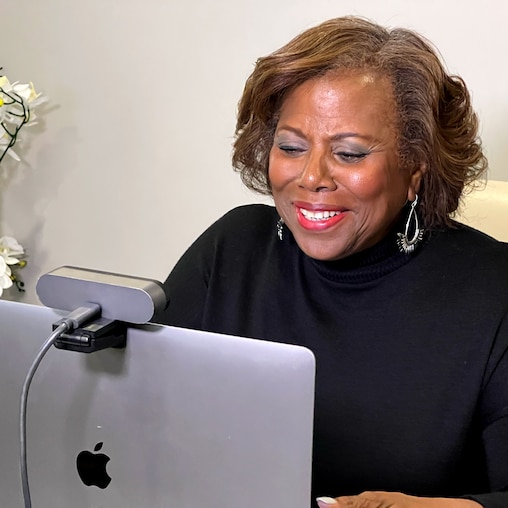
Deborah Owens in her office in Laurel coaching a client. (Courtesy of Walinda West)
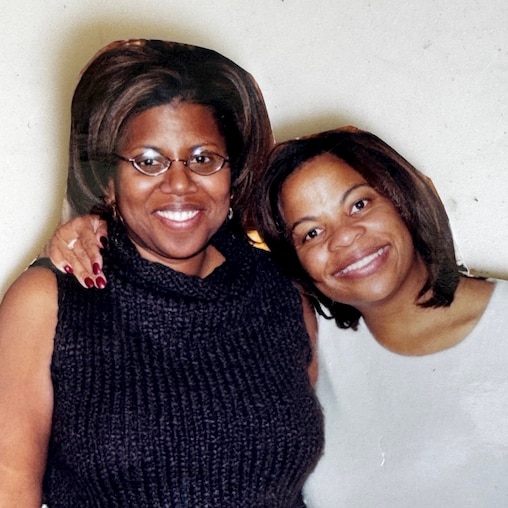
A cut-out photo of Walinda West and Deborah Owens. (Courtesy of Walinda West)
The world is emptier without Deborah, her friend said, but her legacy lives on through the media she created and the advice she gave generously. Toward the end of her life, as she dealt with cancer, she found comfort in the phrase “faith over fear” — faith that she raised her children well, that she made an impact where she could.
“There are many people whose lives have changed because of Deborah Owens,” West said.
The Banner publishes news stories about people who have recently died in Maryland. If your loved one has passed and you would like to inquire about an obituary, please contact obituary@thebanner.com. If you are interested in placing a paid death notice, please contact groupsales@thebanner.com or visit this website.