
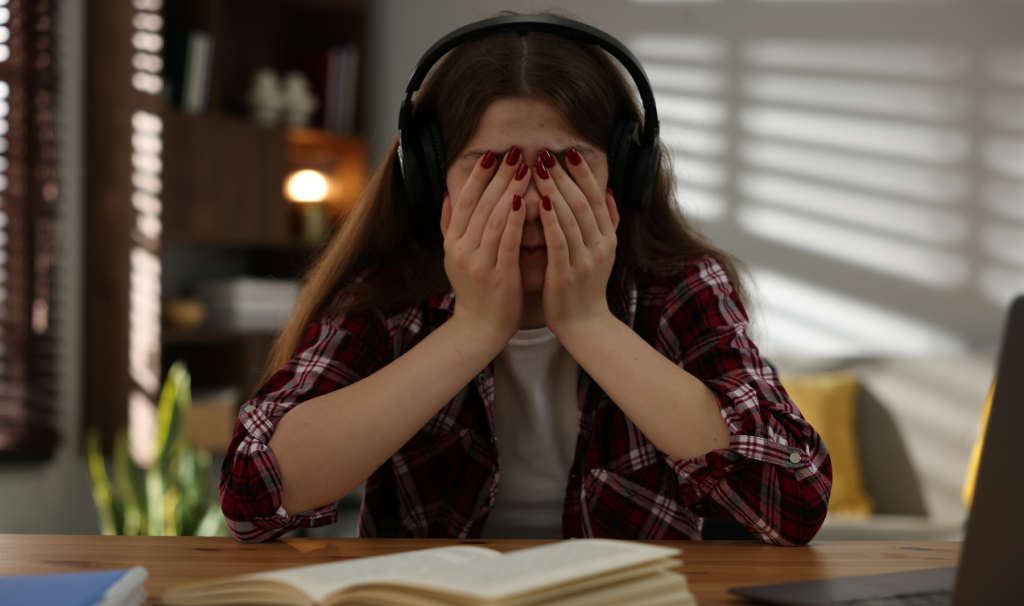
Psychological distress among Ontario teenagers has nearly tripled in the past decade, and frequent cannabis use — though uncommon — is increasingly tied to that distress, especially among girls, new research from McMaster shows.
The findings highlight a worsening mental health landscape for young people in Ontario, raising concerns for families, educators and policymakers already struggling to meet rising demand for support.
The growing gap between teens who use cannabis frequently and those who don’t adds an extra layer of urgency, suggesting that cannabis use may be compounding the pressures teens are facing.
The study, published in the journal Addiction this week, analyzed data from more than 35,000 students in grades 7 through 12, and found that symptoms of depression and anxiety spiked by more than 15 per cent from 2013 to 2023.
Youth who used cannabis 40 or more times a year reported an 18 per cent higher prevalence of psychological distress in 2023, compared to those who did not use cannabis — up from virtually no difference in 2013, the study also found.
“Far more Ontario teens are reporting mental health problems than a decade ago, and frequent cannabis use is increasingly part of that story,” says André McDonald, lead author and postdoctoral fellow.
“Whether cannabis is contributing to those problems or being used to cope with them, today’s products are more potent and may carry greater risks than many people realize, especially for teens.”
McDonald and his colleagues used data from the Ontario Student Drug Use and Health Survey, a long-running population-based survey of students in grades 7 to 12. Five survey waves were included in the study. The key findings were:
Rates of depression and anxiety symptoms among Ontario teens nearly tripled over the decade, rising from 10.7 per cent in 2013 to 27.4 per cent in 2023.
Roughly 20 per cent of the more than 35,000 students involved in the study reported cannabis use. About 4 per cent reported using cannabis 40 or more times in a year.
Nearly half of the teens who reported cannabis use in 2023 said they use it to cope with mental-health problems, with many reporting unmet mental-health needs. This was particularly common among girls, who also showed a stronger association between cannabis use and psychological distress than boys.
“This study contributes to a growing body of evidence showing that emotional mental health problems among youth, such as depression and anxiety, continue to rise across high income countries,” says senior author Jillian Halladay, an assistant professor with McMaster’s School of Nursing.
“Even though the prevalence of adolescent substance use, like cannabis, has generally been declining or plateauing, the close connection between mental health and substance use has remained or strengthened over time, especially among girls.”
The rise in mental-health distress likely reflects a combination of broader pressures on teens, including the COVID-19 pandemic, economic challenges, and shifting social stressors, the researchers acknowledge, though these factors were not measured directly.
They say prevention strategies such as reducing frequency of cannabis use, limiting potency and delaying initiation could help slow these trends in the future.
More work is needed to determine whether cannabis use contributes to psychological distress, whether distress is leading teens to use cannabis as a coping strategy, or whether both are occurring simultaneously, the researchers say.
This research was supported by a Canadian Institutes of Health Research (CIHR) fellowship, a CIHR–McMaster–St. Joseph’s Healthcare Hamilton Health Systems Impact award, and funding from the Peter Boris Chair in Addictions Research and a Canada Research Chair in Translational Addiction Research.