
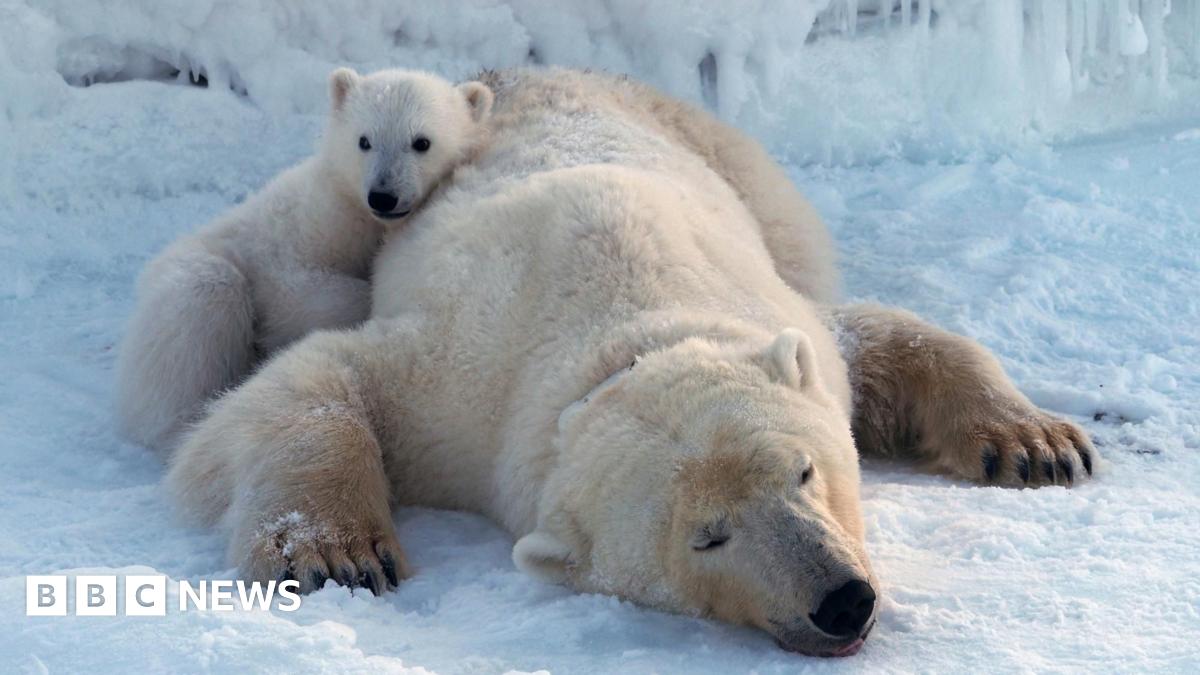
While this is unexpected good news for these Arctic predators, the researchers think it is unlikely to last.
As the sea ice continues to decline, bears will have to travel further to access hunting grounds, using more energy and depleting precious fat reserves.
The charity Polar Bears International, external points out that Svalbard’s polar bears were some of the most heavily-hunted in the world, until international protections were introduced in the 1970s.
Experts think the new findings could be linked to the population recovering from that hunting pressure. That, combined with an increase in the number of walruses – and of reindeer – in recent decades, appears to have provided the bears with a temporary boost.