
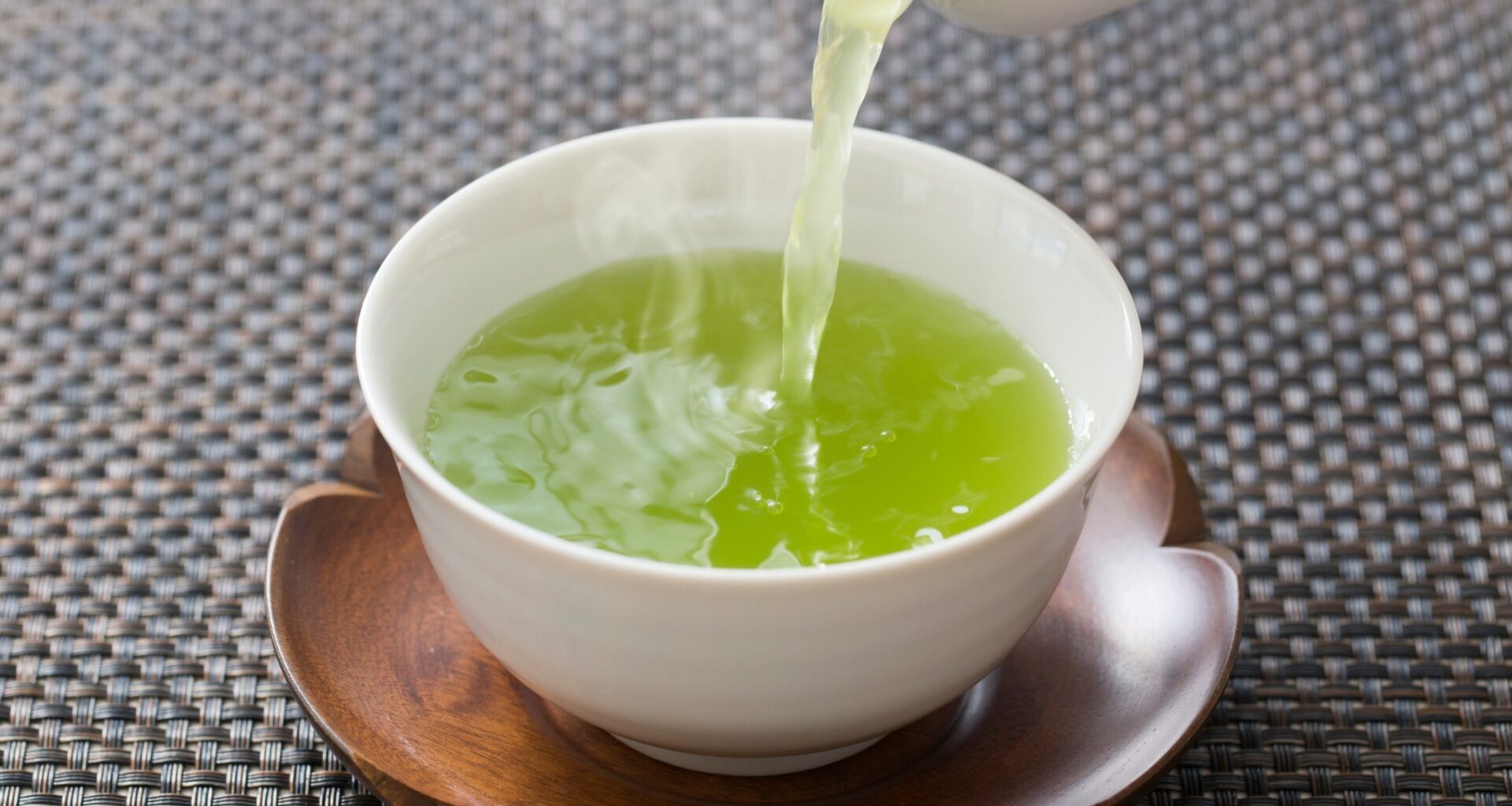
Tea is one of the most widely consumed beverages in the world, and for good reason. A growing body of research shows that tea supports health across multiple systems, from the brain and heart to muscle strength as we age.
A recent review from the Tea Research Institute, Chinese Academy of Agricultural Sciences (CAAS), explores how this ancient drink works.

The researchers found that tea, especially green tea, helps fight off major diseases like heart issues and diabetes.
However, not all tea is created equal. While a fresh brew is great, a sugary bubble tea or bottled drink from the store might actually be doing more harm than good.
Tea compounds and the body
Tea comes from the leaves of the plant Camellia sinensis. Humans first used tea as a medicine in ancient China. Over time, tea became a daily drink across many cultures.
Tea leaves contain natural compounds called polyphenols. Catechins form one major group of polyphenols. Green tea contains high levels of catechins because minimal processing helps preserve these compounds.
Green tea also contains caffeine and an amino acid called theanine – which can cross into the brain and supports relaxation and focus.
A typical cup of brewed green tea provides hundreds of milligrams of catechins along with small amounts of caffeine.
Black tea forms through fermentation, which changes catechins into other compounds such as theaflavins and thearubigins. Such changes affect how much of these compounds enter the body.
How tea supports the heart
Strong evidence links tea intake with lower risk of heart disease. Studies show that green and black tea can lower bad cholesterol levels and reduce blood pressure.
Tea compounds also improve blood vessel function by supporting nitric-oxide activity. Better blood flow reduces strain on the heart.
Large population studies show lower death rates among people who drink tea regularly. Risk reduction appears strongest for heart related causes.
Moderate intake, around two cups per day, offers clear benefits. Higher intake does not appear harmful for most healthy adults.
Cancer protection shows mixed results. Animal studies show strong protective effects, but human results vary.
Evidence appears stronger for cancers of the mouth, lungs in women, and the colon. Differences in genetics, lifestyle, and environment may explain inconsistent findings.
Tea helps weight and blood sugar
Tea supports metabolism and body weight control. Catechins help reduce fat absorption and increase energy use.
Clinical studies show reduced body weight and body fat in adults with overweight after regular green tea intake. Improvements also appear in cholesterol levels and markers of oxidative stress.
Tea intake also links with lower risk of type 2 diabetes in many studies. Green tea supports insulin sensitivity and reduces weight gain.
Some studies show no benefit in people with existing diabetes, which suggests tea works better as a preventive tool rather than a treatment.
Brain and muscle health
Tea supports brain health, especially during aging. Studies show better memory and thinking skills among older adults who drink tea often.
Lower levels of markers linked with Alzheimer’s disease also appear in such groups. Theanine may reduce stress and support nerve cell communication.
Muscle health also benefits from tea intake. Catechins help reduce muscle breakdown and improve strength.
Clinical trials show improved hand grip strength and muscle mass after catechin supplementation. Strong muscles support balance, mobility, and independence during later life.
Drinking tea reduces inflammation
Tea compounds reduce inflammation across many body systems. Green tea intake lowers markers such as C reactive protein and tumor necrosis factor alpha. Lower inflammation supports heart health and metabolic balance.
Tea also shows antibacterial and antiviral effects. Catechins can block bacterial growth in the mouth, reducing dental plaque and gum disease.
Antiviral activity appears against influenza viruses and other respiratory viruses. Gargling with tea catechin solutions has reduced infection rates in older adults.
Sugary tea drinks cause harm
Not all tea products support health. Bottled tea often loses catechins during heat processing and storage.
Added acids help preserve color but cannot fully protect active compounds. Sweeteners such as sugar, corn syrup, or artificial substitutes add extra health risks.
Bubble tea includes refined starch pearls, sugar syrups, and non-dairy creamers. Such ingredients raise calorie intake and increase heart disease risk. Frequent intake of these drinks can cancel out tea’s natural benefits.
Contaminants such as pesticides, heavy metals, and microplastics appear in small amounts in tea. Brewing reduces exposure because only a portion enters water. Risk assessments show low danger for most people at normal intake levels.
Freshly brewed tea offers the greatest health value. Regular moderate intake supports heart health, brain function, muscle strength, and immune balance.
Processed tea drinks should remain occasional treats. Simple brewing methods help preserve natural compounds and reduce unnecessary additives.
The study is published in the journal Beverage Plant Research.
—–
Like what you read? Subscribe to our newsletter for engaging articles, exclusive content, and the latest updates.
Check us out on EarthSnap, a free app brought to you by Eric Ralls and Earth.com.
—–