
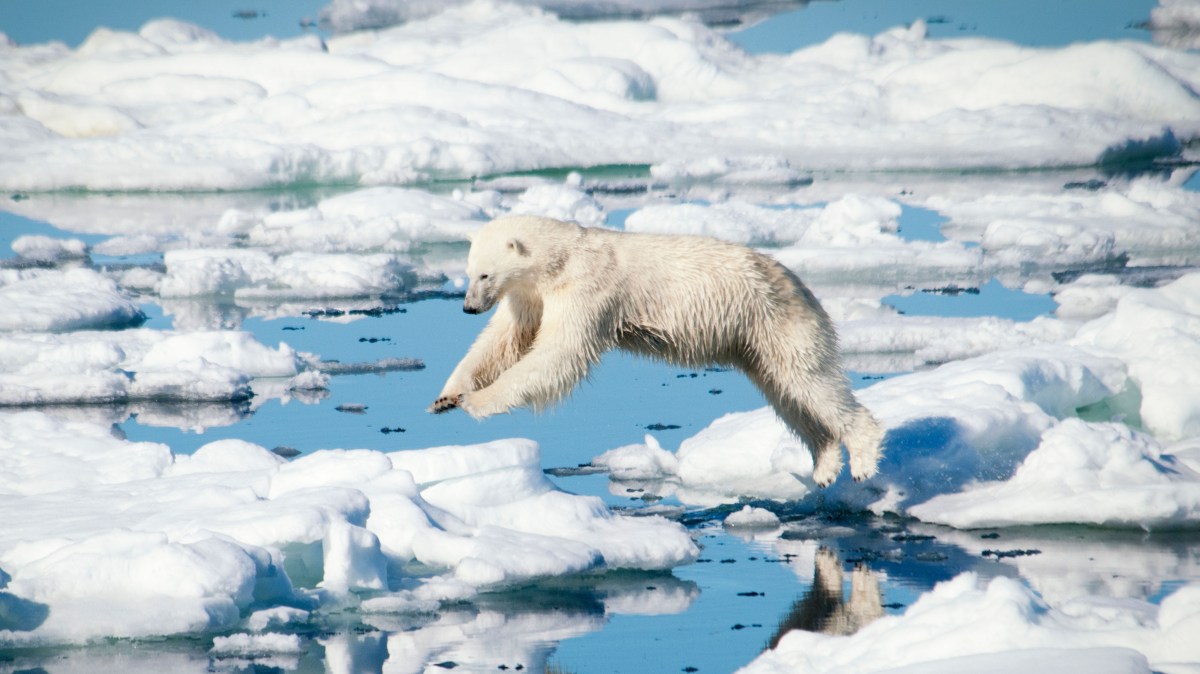
The polar bear is often seen as a victim of climate change: an apex predator stranded on shrinking floes, its fate tied to the retreat of Arctic sea ice.
But new research suggests that around the Norwegian archipelago of Svalbard, the story is — for now, at least — a more positive one.
Despite rapid warming and a dramatic loss of sea ice, which the world’s largest terrestrial carnivore has historically relied on to hunt, polar bears in the region are fatter and in better condition than they were a generation ago.

Scientists sedate the bears to take body measurements
JON AARS / NORSK POLARINSTITUTT

There were also signs, researchers said, that in this part of the High Arctic their numbers were likely to be rising, though they were in decline elsewhere.
The study was led by Dr Jon Aars of the Norwegian Polar Institute. “Our bears showed a high level of resistance to environmental changes,” he and his colleagues write in the journal Scientific Reports. “Still, the evidence is clear that the loss of sea ice has had negative effects on several other polar bear populations across the Arctic.”
Aars and his team examined nearly three decades of data on adult polar bears living around the Svalbard archipelago, which lies about 800 miles south of the North Pole, roughly halfway between mainland Norway and the pole itself.
Historically their most important prey has been highly calorific, blubber-rich ringed seals, which the bears stalk on the sea ice that forms as temperatures plunge in the winter.
Around Svalbard average annual temperatures have risen by about 4.9C since the 1970s, meaning no other region of Earth is warming more quickly. The number of ice-free days each year has roughly doubled.
Even so, after analysing 1,188 body measurements from 770 adult animals collected between 1992 and 2019, scientists found that the bears’ body condition index — a standard measure of animals’ fat reserves and overall health — improved after 2000.
Over the same period, the number of ice-free days recorded each year increased by about 100, at a rate of roughly four extra days each year.
• What it’s like to work as a polar bear spotter in the Arctic
The explanation may lie on the land. The researchers suggest that recovering populations of reindeer and walrus, both once heavily hunted by humans, are providing alternative food sources for bears that are spending more time ashore. These “local” bears also appear to be plundering more duck eggs.
At sea, the loss of ice may even be making hunting temporarily more efficient. As ice cover shrinks, seals may be forced to concentrate into smaller areas, making them easier to catch, at least while sufficient ice remains.

JON AARS/NORWEGIAN POLAR INSTITUTE/PA
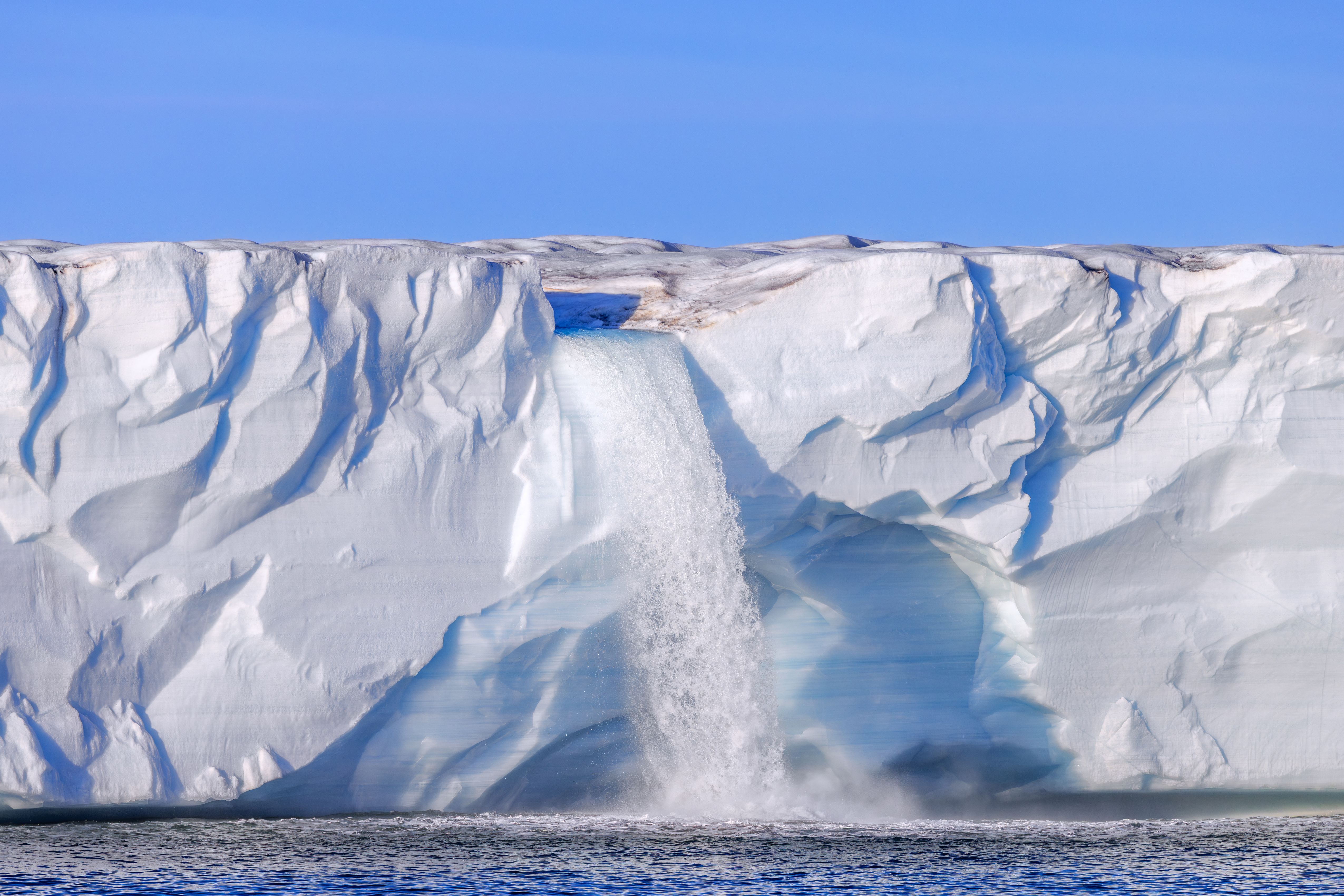
The Brasvellbreen glacier, Svalbard
ARTERRA/SVEN-ERIK ARNDT/UNIVERSAL IMAGES GROUP/GETTY IMAGES
Svalbard’s bears have made a comeback since a hunting ban rescued the local population from extinction in 1973. The Barents Sea polar bear population, which includes Svalbard, was estimated at between 1,900 and 3,600 in 2004. No full census has been carried out since, but researchers believe numbers may have risen, after more bears were recorded at the ice edge in 2015.
However, there will almost certainly be limits to this resilience. Polar bears are not found anywhere in the Arctic that is completely ice-free, and Aars has stressed that the success of Svalbard’s should not be mistaken for long-term security.
• I visited Greenland’s ice sheet to see it cracking before my eyes
Further ice loss is expected to force bears to travel longer distances to hunt, expending more energy and increasing the risk of starvation, a pattern already seen in other regions.
In some areas “reductions in sea ice may lead to transient periods where bears will do better in future, before continued loss of sea ice later may lead to a population decline”, he and his colleagues write.