
The middle-classes have driven a surge in ADHD prescriptions after turning to private clinics for a diagnosis amid waits of up to ten years on the NHS.
The number of people from wealthier backgrounds prescribed stimulants to treat attention deficit hyperactivity disorder has surged five-fold over the past decade, NHS data shows.
Experts say ‘sharp-elbowed’ Britons are able to jump long queues by getting a diagnosis at a private clinic, then asking their NHS GP to continue prescribing the drugs.
One of the biggest increases has been among middle-aged women, with some going for their own ADHD assessment after seeing their children secure a diagnosis and then researching symptoms themselves.
About 700,000 people in England are waiting for an ADHD assessment, with waiting times of up to ten years on the NHS.
However, under the Right to Choose scheme, patients facing long waits can ask to be assessed at private clinics and get the NHS to pay the bill.
Half of NHS ADHD assessments are now carried out in the private sector.
The NHS is estimated to have spent £128million on private ADHD companies last year, up from £36million two years earlier, according to the Centre for Health and the Public Interest.
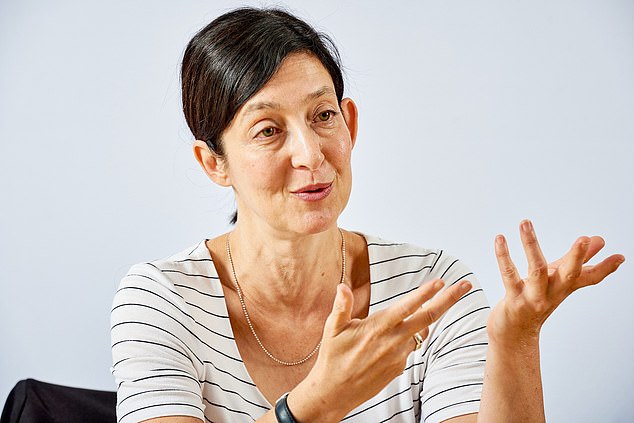
Thea Stein, chief executive the Nuffield Trust think tank, said more patients are turning to the private sector for ADHD care due to growing NHS waiting lists
Alternatively, patients can pay around £1,000 for the assessments themselves and then ask their NHS GP to take over the prescribing.
NHS data shows around 820,000 people in England have had a diagnosis of ADHD, which is characterised by restlessness, distractibility and forgetfulness.
Of these, 297,000 are taking medication to treat it, up from 81,000 ten years ago.
Health secretary Wes Streeting has ordered a national review of the surge in demand for ADHD services, which will examine whether the condition is being overdiagnosed.
Thea Stein, chief executive the Nuffield Trust think tank, told The Times: ‘As waiting lists have grown, more people are looking to the private sector for their diagnosis.
‘If you go privately, and then take your private diagnosis into the NHS, you’re catapulting yourself up the waiting list.
‘People are also using the Right to Choose to get their diagnosis.
‘We know from many, many other areas of healthcare policy, that if you are a bit more sharp-elbowed you can use that better.’
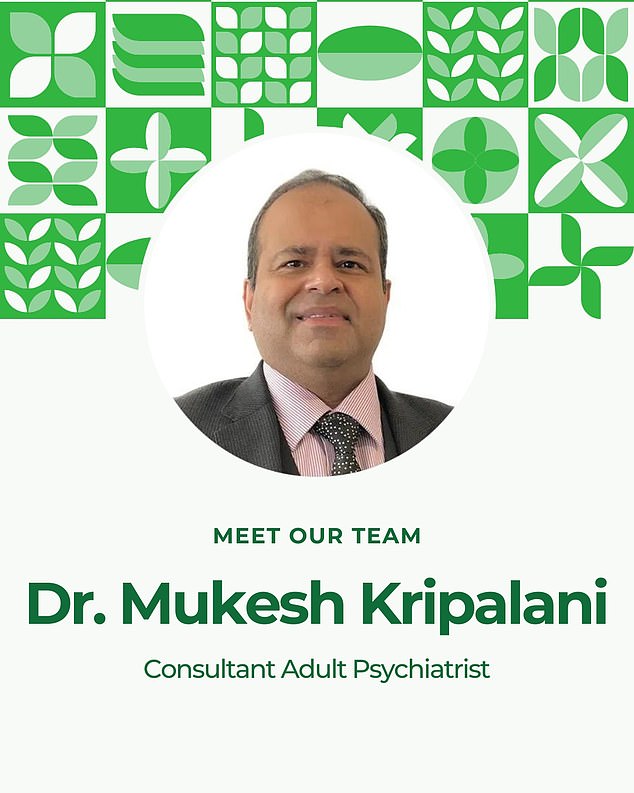
Dr Mukesh Kripalani, lead adult consultant psychiatrist at the ADHD Centre, said ADHD symptoms become more evident in women when they reach the menopause
Ms Stein added: ‘There is a huge growth in adults coming forward and wanting to explore whether they have ADHD, often on the back of their children being diagnosed.’
The biggest increase in prescriptions over the past decade has been among women, amid rising awareness that is not just a condition affecting young boys.
Ten years ago, less than a quarter of ADHD patients were female, but the proportion is now four in ten.
Among people in their forties and fifties, more women than men take ADHD medication.
Dr Mukesh Kripalani, lead adult consultant psychiatrist at the ADHD Centre, said: ‘When women hit menopause, that’s when quite a few symptoms of ADHD become prevalent.
‘You might see boys bouncing off the walls, whereas women tend to internalise those symptoms.’
NHS prescription data, which divides patients into five groups based on deprivation, also shows more ADHD patients are coming from wealthier backgrounds.
Ten years ago there were nearly twice as many ADHD patients from the most deprived areas, compared with the least deprived.
But now there is almost parity between the two groups.
Local GP practices can decide whether or not to take over managing ADHD drugs initially prescribed by specialists, in an arrangement known as a shared care agreement.
But Dr Kripalani, who works for a private clinic, said ‘a lot of GPs have started to put blanket barriers’ on accepting diagnoses from private specialists.
Healthwatch England, an independent statutory body that champions patients, has warned that this has left some patients with no way of getting their ADHD medication on the NHS.
It can cost up to £300 a month privately.
William Pett, head of policy and research at Healthwatch, said the shared care agreements were ‘crucial for anyone who has received a private ADHD diagnosis and needs access to NHS‑prescribed medication and treatment’.
He added: ‘We understand that GPs often refuse these agreements due to concerns about the quality of private diagnoses.
‘Yet without them patients [risk] having wasted money on a private diagnosis and facing either years-long NHS waits or thousands of pounds in ongoing private treatment costs.’