
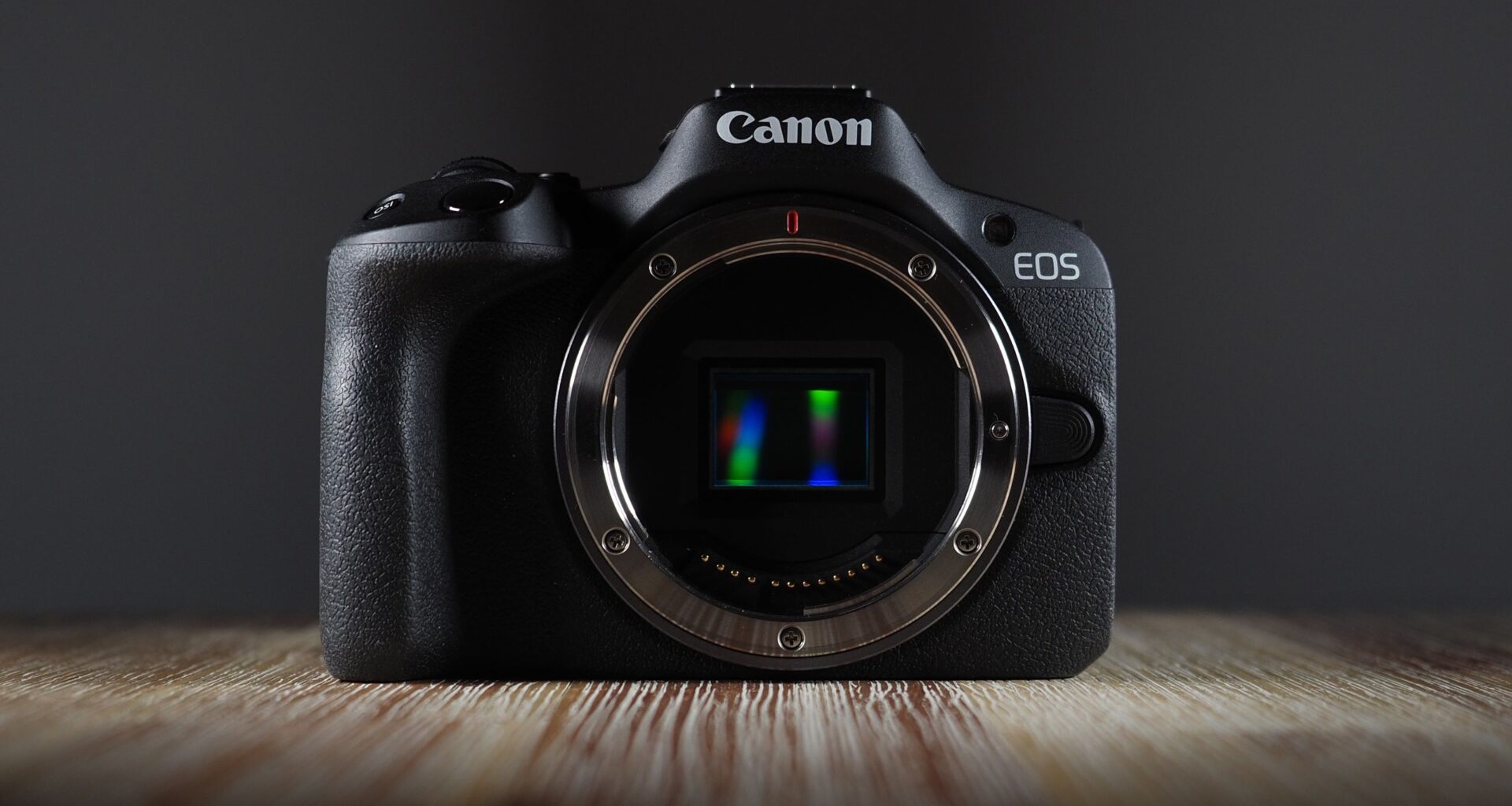
Thanks in part to the rapid expansion of AI data centers, the cost of memory is rapidly increasing. But, how much will the demand for data storage impact cameras? Thanks to Canon’s latest financial report, photographers finally have a few hints.
The cost of DRAM has already begun increasing in part due to high demand tied to artificial intelligence. Some reports predict that prices will have doubled by March 2026, while other reports indicate that memory price levels have already begun leveling out in the first month of the year.
The rising cost of memory could affect a wide range of tech products – but what about cameras? Reports have already suggested that the rising cost of memory could impact camera phones and memory cards.
You may like
But a tidbit from Canon’s fiscal report suggests that cameras themselves – and not just memory cards and camera phones – won’t be immune either. During a Q&A session with investors, Canon was asked how much the rising cost of DRAM was factored into the company’s 2026 outlook.
Canon said it has already factored in some cost increase into its plans. “In 2026, we expect this to increase costs by approximately ¥6 to 7 billion, with roughly one-third of the impact on Printing and two-thirds on Imaging,” the company said during the Q&A.
“While we are not currently facing any major disruption in procurement, if the situation worsens, supply risks could emerge. We haven’t decided how far ahead we will secure inventory, but our current policy is to purchase everything we are able to obtain.”
That’s just a few sentences on the impact of DRAM costs on cameras, but let’s break that down piece by piece. The company expects a ¥6-7 billion impact. Using ¥6.5 billion as a guide, that’s about $42 million / £31 million / AU$60 million at current exchange rates.
Canon makes more than just cameras, but the Imaging division is responsible for two-thirds of that estimated cost increase. Two-thirds of ¥6.5 billion is about ¥4.33 billion, which is around $28 million / £20 million / AU$40 million.
Separately in the 2025 fiscal results, Canon is also anticipating an increase in costs – for the business overall, not just cameras – of ¥2.7 billion ($17 million / £13 million / AU$25 million) “due to a rise in semiconductor prices.”
But, Canon’s camera sales have done well in 2025, and even with that ¥4.33 billion factored into 2026 predictions, the company is expecting a 7.8% increase in net sales and a 6.5% increase in operating profit.
You may like
In a question and answer on the rising costs of raw materials, Canon offers a little more insight: “Rising raw material prices have been affecting various products since last year and is already factored into our plan for this year,” the company said.
“We highlighted semiconductor memory, in particular, because the impact from its steep price increase is especially large. As for rare earth, we are not facing any major issues at this time, but tighter regulations or any suspension of supply could have a significant impact, particularly on Imaging.”
It’s important to stress that Canon does not in any way indicate that it will raise prices in response to the rising cost of memory and semiconductors – the only mention of increased prices in the 2025 report is for US tariffs, a change that has already taken place.
The only thing Canon seems to have confirmed so far is that it’s stockpiling everything it can regarding DRAM. The supply chain isn’t currently facing an interruption, the company notes, but it’s a possibility if the scenario gets worse.
Another important factor is that Canon posted record sales for the second year in a row, including a 7.9% year-over-year growth in the imaging division. In 2025, the company offset additional costs with structural reforms, although the company did offset US tariffs with a price increase in the country.
Canon’s industrial division also makes semiconductor manufacturing equipment – so while the rising costs of semiconductors are a negative for camera production, the company’s industrial division could face an opposite scenario. Canon is currently predicting a 2% increase in operating profit from the industrial division.
Canon’s statements to investors seem to indicate that, while rising DRAM costs affect cameras, the situation isn’t currently impacting inventory, and the company’s current approach is to stockpile “everything we are able to obtain.”
The rising cost of DRAM will affect cameras, but it’s too early to tell whether those costs will be passed on to consumers. Regardless, the trends in rising DRAM costs may be one for photographers to watch.
Browse the best Canon cameras, or pick up some extra memory cards.