
Homes spanning Mexico, Australia, and Japan feature in this roundup of the houses of the month for January.
Among this list of the five of the most popular residences featured on Dezeen this month is a family home with dramatically-curving roof and a tiny cabin modelled on a typical Australian shed.
Read on to find out more about Dezeen readers’ favourite houses this month:
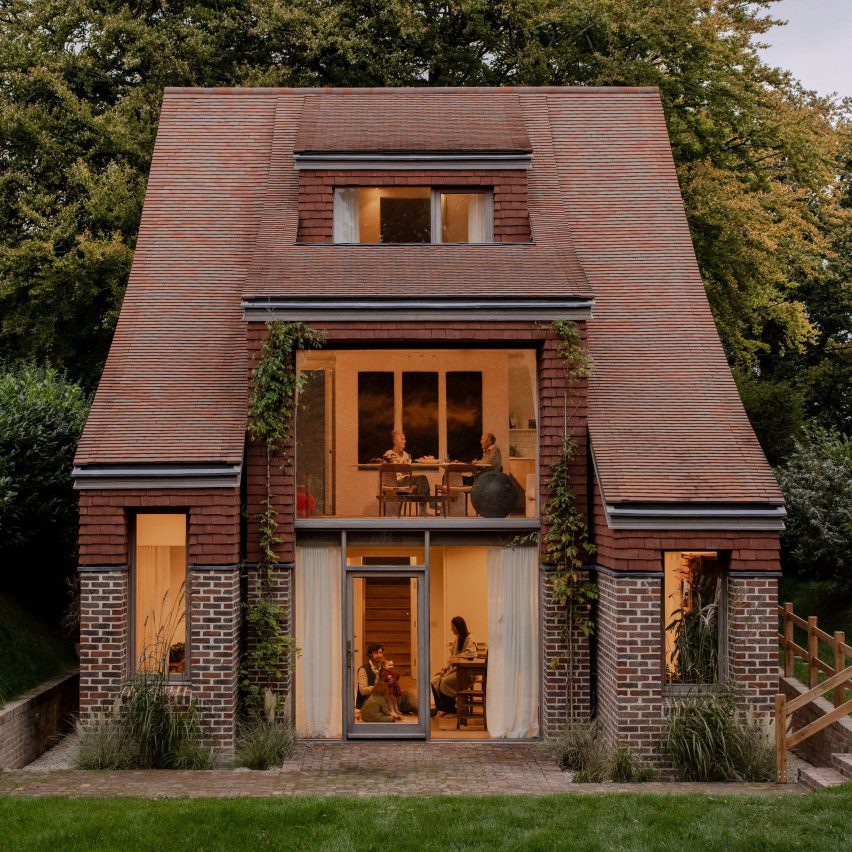 Photo by French + Tye
Clay Rise, UK, by Templeton Ford
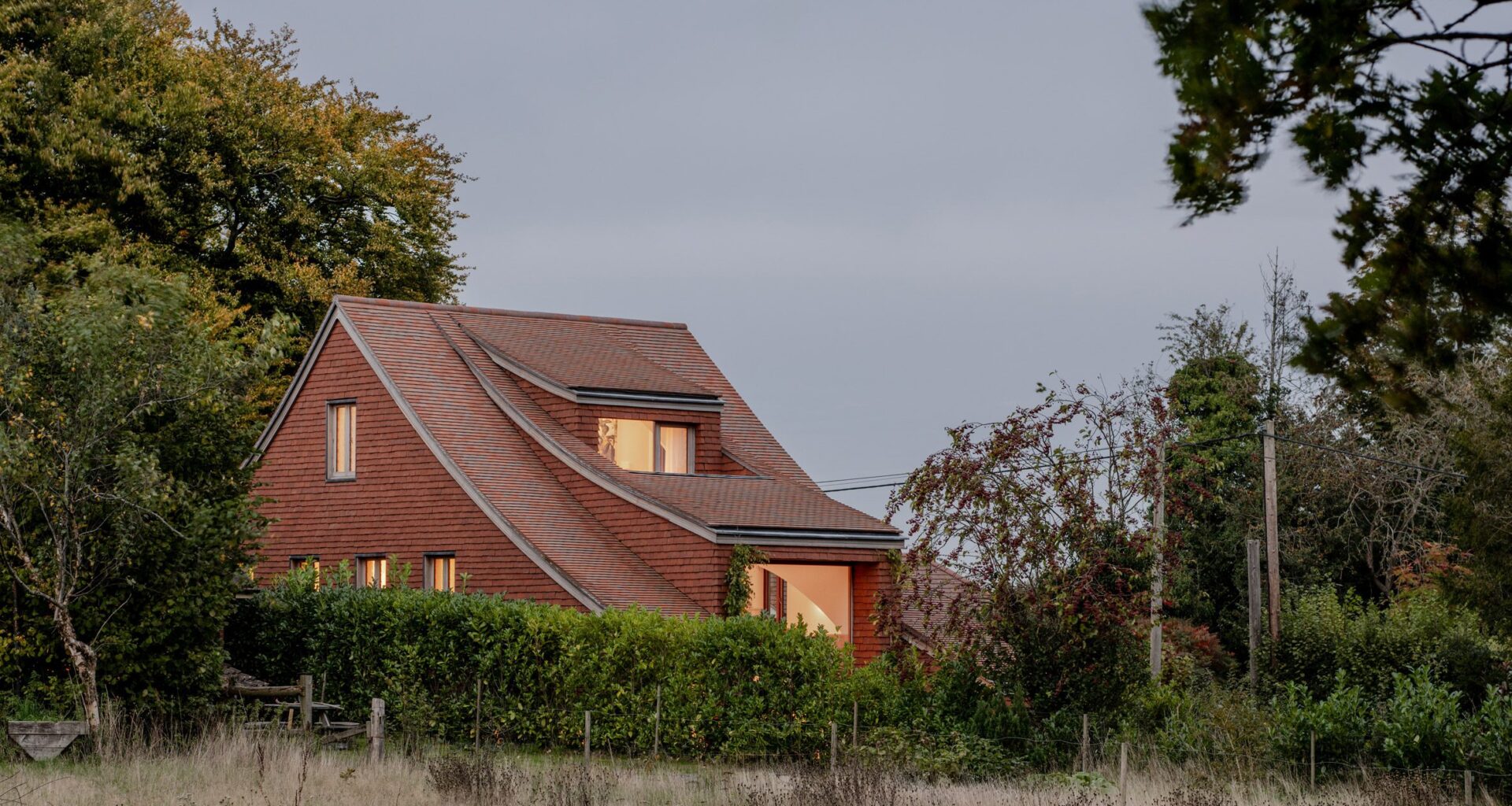
The founders of British studio Templeton Ford designed and built this residence in West Sussex as a family home for themselves.
Named Clay Rise, the home was designed by the duo to reinterpret Sussex’s archetypal houses, and is defined by red brick and tile walls topped with a curvy three-tiered roof.
Find out more about Clay Rise ›
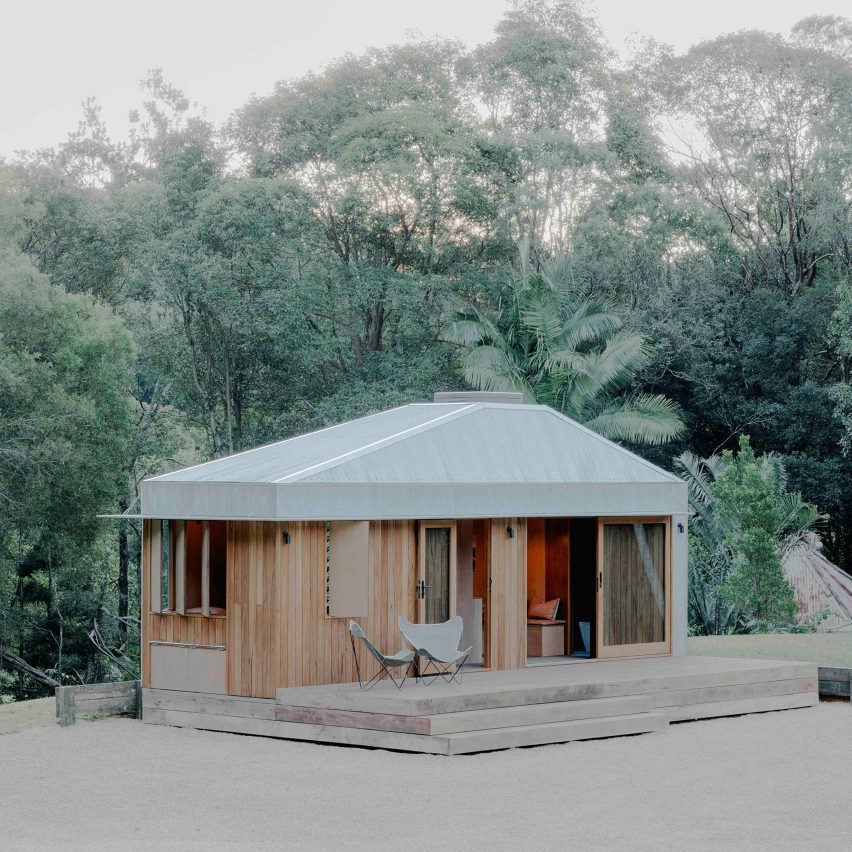 Photo by Tim Clark
The Oculus, Australia, by Hayley Pryor
Architect Hayley Pryor drew on typical Australian sheds for the design of The Oculus, a tiny moveable cabin in Byron Bay, Australia.
Created in collaboration with local builder Chris King, the 21-square-metre dwelling has a timber exterior, which is crowned with a corrugated metal roof and large central skylight.
Find out more about The Oculus ›
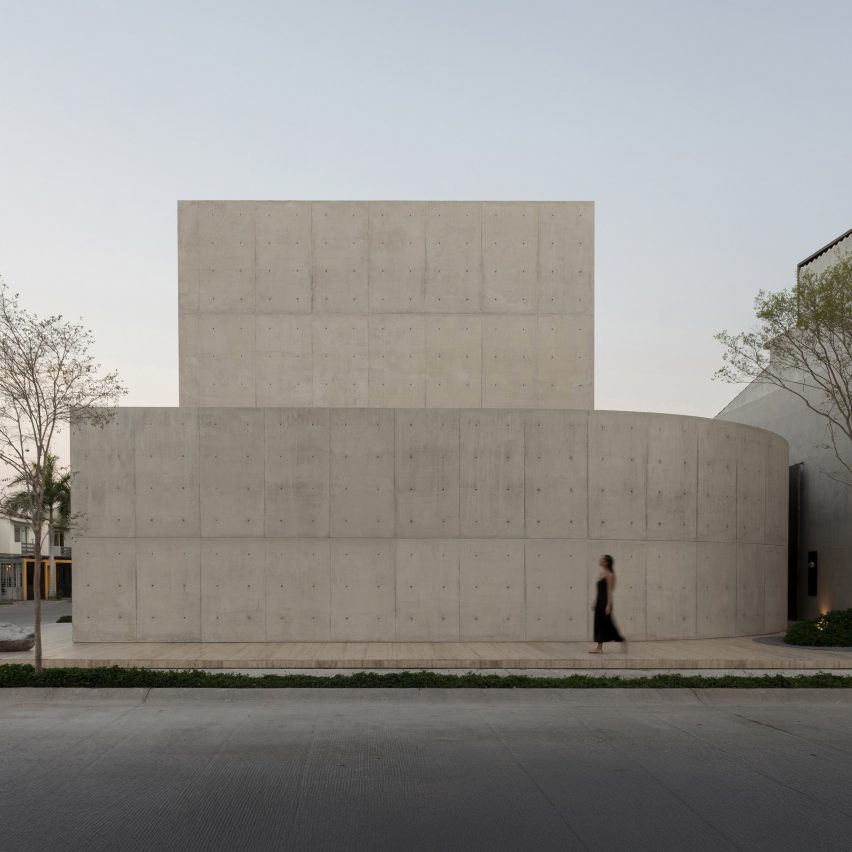 Photo by Hugo Tirso
A focus on creating shaded interiors informed this concrete house on the Pacific coast of Puerto Vallarta, Mexico, designed by locally-based HW Studio to “withdraw discreetly” into its context.
Inside, the home has a semi-elliptical wall that frames multiple levels of courtyards while also providing privacy from the street.
Find out more about Casa Tao ›
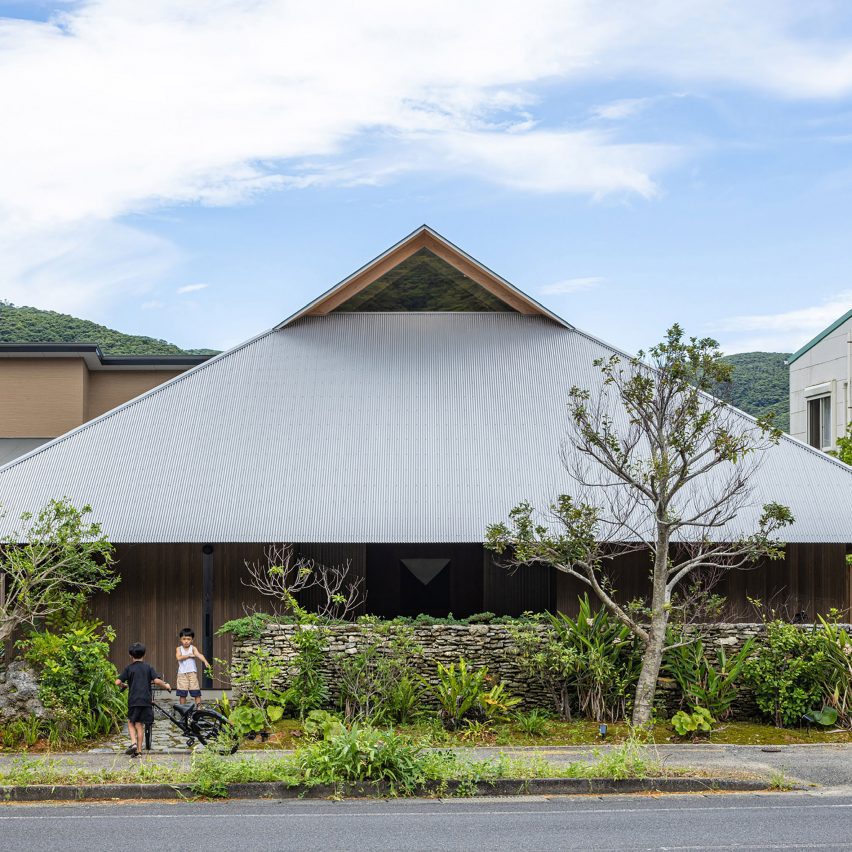 Photo by Toshihisa Ishii
Amami House, Japan, by Sakai Architects
Local studio Sakai Architects used a large corrugated metal roof with a triangular skylight to shelter the timber-lined interiors of this off-grid home in Japan.
Located on Amami Ōshima, off Japan’s southern coast, Amami House encompasses 119 square metres and is organised across a square plan centred by a communal living, kitchen and dining space.
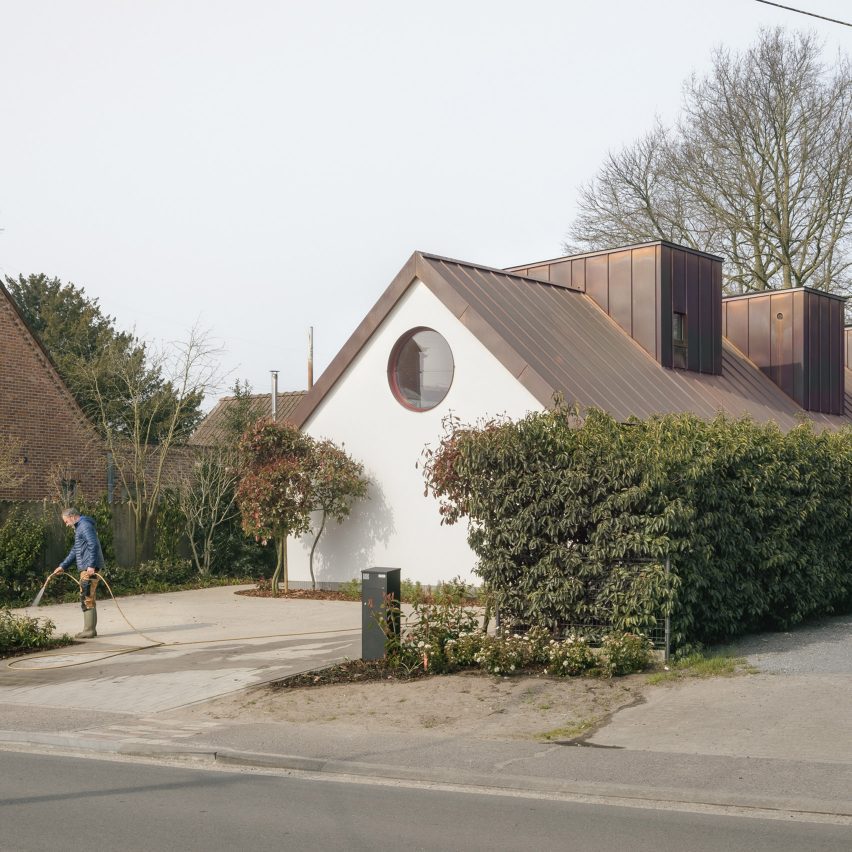 Photo by Stijn Bollaert
A copper-clad roof tops this barn-like home in Ghent completed by Belgian architecture studio Felt.
Designed for a retired couple with the goal of “ageing-in-place”, the home is arranged across one level for accessibility, with its living spaces divided by large portals made from cross-laminated timber.