
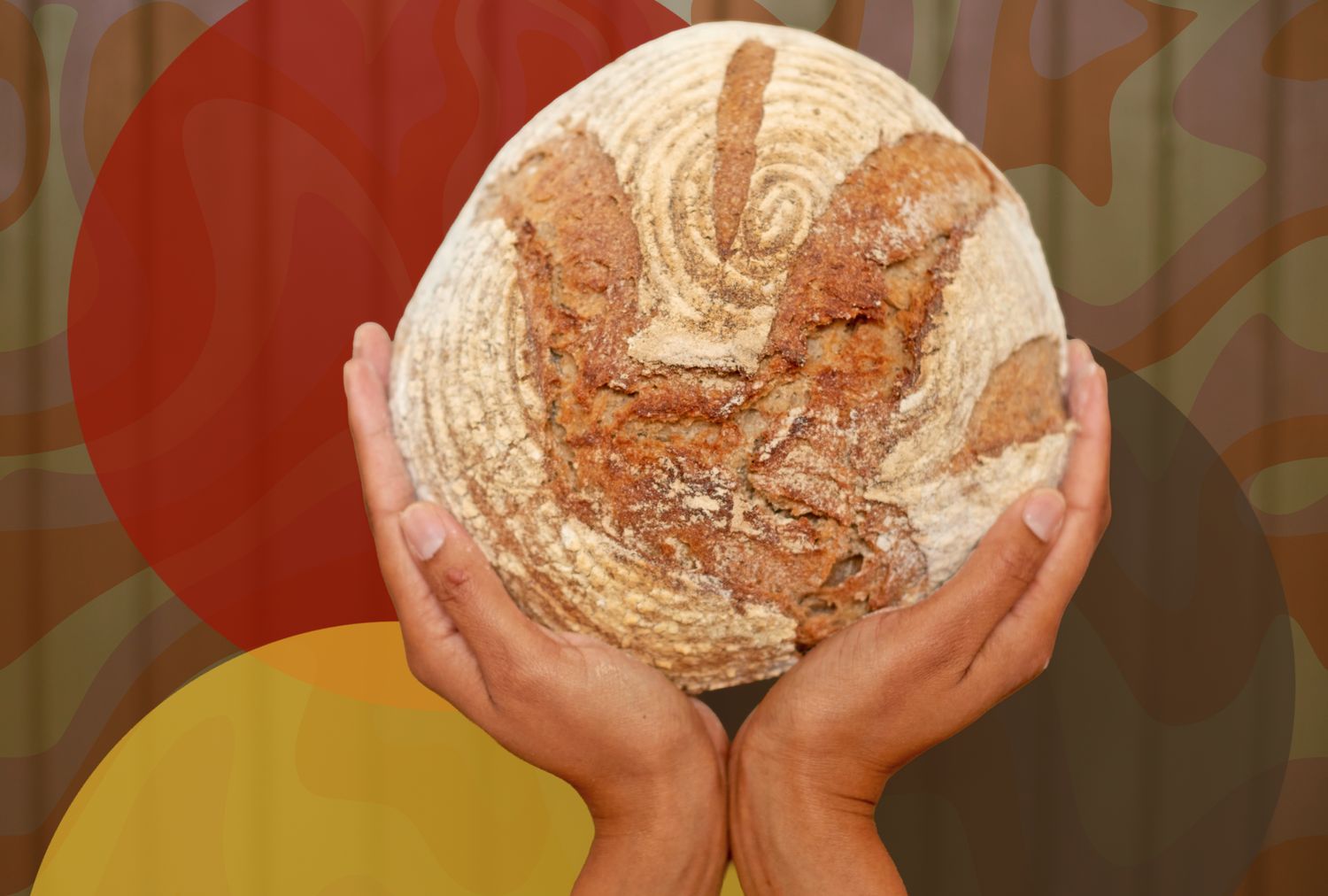
Sprouted grain, whole-wheat, sourdough, rye, oat, barley and buckwheat breads support steady blood sugar.Fiber and protein slow how fast sugar gets absorbed, making meals more filling.Pairing bread with foods high in protein, fiber or fat can help make blood sugar levels even more stable.
Bread often gets a bad rap when it comes to blood sugar management, leading some people to cut it out of their diet entirely. However, the truth is a well-chosen loaf can be a nourishing, fiber-filled and satisfying part of a balanced diet. The key to enjoying bread without blood sugar spikes is picking one that’s balanced in protein and fiber, while also pairing it with other foods that support blood glucose levels. In this article, we’ll walk you through the key nutrients to look out for and the bread types dietitians recommend, so you can feel confident choosing options that support better blood sugar.
What Makes a Bread Blood-Sugar Healthy?
When looking for a loaf, registered dietitians recommend a few things. Look for one that includes at least 3 grams of fiber, a few grams of protein, and aim for minimal added sugars. Fiber and protein are your best friends because they slow down how fast your body absorbs carbohydrates, helping you avoid blood sugar spikes and crashes. Surprisingly, even the bread-making process, like traditional fermentation or sprouting, can potentially change how your body handles the carbs.
1. Sprouted Grain Bread
Sprouted grain bread is made from whole grains that have begun to germinate. This sprouting process breaks down some of the starches, which can have certain advantages for blood sugar.
“As a diabetes educator, I love sprouted grain bread because its lower glycemic index helps slow carbohydrate absorption and minimize blood sugar spikes,” says Jennifer Rawlings, M.S., RD, CDCES. She notes the process makes nutrients easier to digest, supporting both blood sugar and overall health.
Bess Berger, RDN reinforces how sprouted grain bread leads to a gentler rise in blood sugar. “That gentler response is linked with positive effects on hormones like GLP-1, which help the body manage blood sugar and insulin,” Berger explains.
2. 100% Whole Wheat Bread
A 100% whole wheat loaf contains intact grains that take longer to break down, allowing for a gradual release of glucose into the bloodstream. Alexandria Hardy, RDN, LDN recommends 100% pre-sliced whole wheat as it’s typically affordable and easy to find. “To get the most benefits, select products made with stone-ground flour versus ‘roller milled’ flour,” Hardy suggests, noting these denser breads have been shown to improve post-meal blood sugar responses.
Nneoma Oparaji, MD agrees, noting that 100% whole wheat improves glucose control and insulin resistance. This slower digestion is due to the high fiber content and intact grain structure.
3. Sourdough Bread
Sourdough is made with a natural starter of wild yeast and bacteria, which slowly ferments the dough and potentially helps reduce the impact of its carbohydrates on blood sugar.
“Studies suggest that sourdough bread can result in better blood sugar and insulin responses,” says Hennis Tung, M.S., RD. Tung explains this is because the fermentation process produces organic acids that slow how quickly your body digests carbohydrates, leading to steadier blood sugar levels.
4. 100% Whole Grain Rye Bread
Rye bread is unique because it’s higher in soluble fiber than wheat, forming a gel in the gut that slows digestion.
“Whole grain rye bread contains fewer grams of carbohydrate per serving than traditional breads,” notes Lisa Andrews, M.Ed., RD, LD. “Each slice provides roughly 2 to 3 grams of fiber, which helps slow glucose absorption and may even help relieve constipation.”
Vandana Sheth, RDN, CDCES, FAND adds that research consistently shows rye leads to a lower post-meal insulin response. Its dense structure and high soluble fiber help prevent sharp spikes and can keep you fuller longer.
5. Oat or Barley Bread
Breads incorporating oats or barley are beneficial due to their high concentration of beta-glucans, a specific type of soluble fiber. Beta-glucans help slow the absorption of sugar into the bloodstream, leading to more stable blood sugar levels. They do this by forming a gel-like barrier in the digestive tract, which also supports a better insulin response. When selecting these types of loaves, ensure oats or barley are listed high on the ingredient list.
6. Buckwheat Bread
Buckwheat is a gluten-free pseudocereal rich in fiber and protein. Recent research shows breads containing buckwheat can lead to lower insulin levels and improved glucose tolerance compared to traditional wheat. Look for 100% buckwheat or blends with other whole grains.
Other Tips for Healthy Blood Sugar Levels
How you eat your bread is just as important as the loaf you choose. Here are a few other tips for balancing blood sugar levels.
Pair with Protein and Healthy Fats: To create a balanced meal, combine bread with ingredients that supply protein and healthy fats, like avocado, nut butter or eggs. These macronutrient additions help make the meal more filling and better for blood sugar by slowing the glucose release.Top with Fiber-Rich Foods: Add toppings to your toast like sliced veggies, berries or chia seeds to increase the amount of fiber, which can help blunt the blood sugar response.Keep Portions in Check: Carbohydrates are a critical part of our diet. However, just like any other food, it’s important to be mindful of portions. Stick to around one or two pieces of bread in one sitting. Try strategies like an open-faced sandwich if you’re trying to decrease your portions.Try Apple Cider Vinegar: Some research suggests that apple cider vinegar may help improve fasting blood sugar and A1C levels, a marker of long-term blood sugar control. Try mixing a splash into your beverage or enjoy a side salad with a vinaigrette alongside your bread.
Our Expert Take
Bread doesn’t have to be off-limits. Just look out for options with at least 3 grams of fiber, a few grams of protein and minimal added sugars. Great choices include sprouted grain, 100% whole wheat, sourdough, rye, oat or barley and buckwheat breads—all of which offer nutrients or processing methods that support better blood sugar balance.