
A third of Ireland’s wintering waterbirds have disappeared in the last 30 years, an extensive new study shows.
Numbers of some species of the migratory ducks, geese, swans, waders and gulls that come from colder countries are down more than 50 per cent.
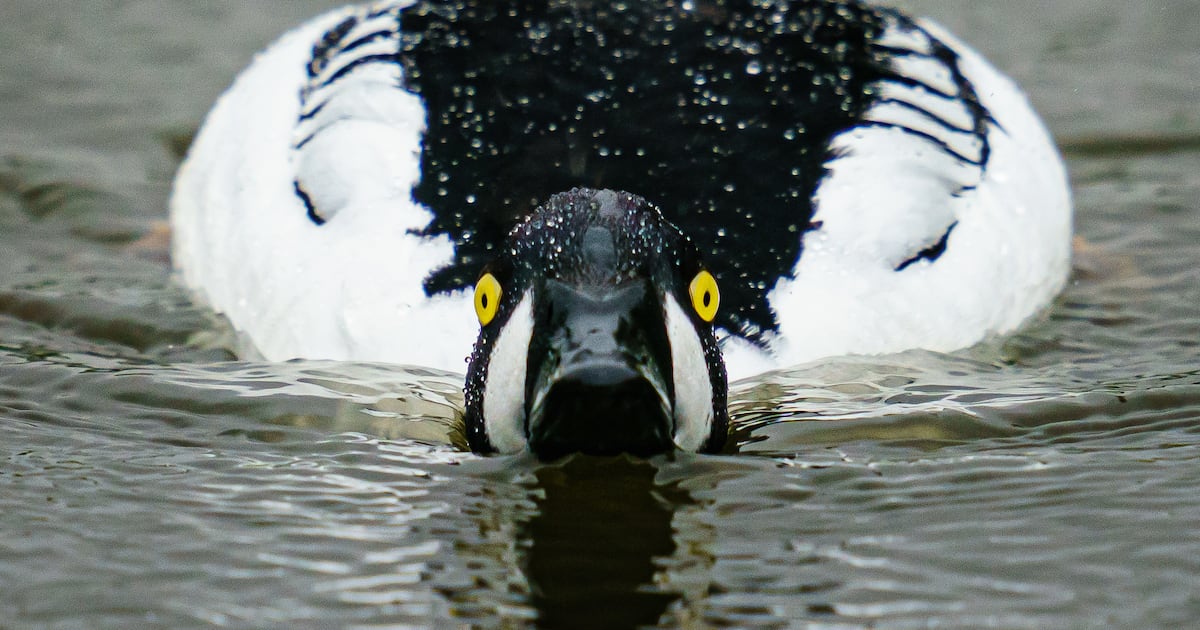
The elaborately coloured pochard, scaup, goldeneye and tufted duck fall into this category.
The most dramatic decline is in the population of Bewick’s Swan which comes from as far away as western Siberia to escape the frozen winters in Ireland’s warmer climate.
By 2010, fewer than 100 were recorded, and last year, only one was sighted, making it “the first winter without any regular over-wintering Bewick’s Swans”.
Climate change is believed to be one cause of the bird’s disappearance, with rising global temperatures meaning it does not have to travel as far as Ireland to find a suitable location to spend winter.
However, loss of habitat, disturbance by people, avian flu, hunting and collisions with infrastructure are all playing a part in the falling numbers of waterbirds generally.
“Ireland’s waterbirds are in trouble,” said Helen Boland, manager of the Irish Wetland Bird Survey which is carried out annually by BirdWatch Ireland for the National Parks and Wildlife Service (NPWS), with the help of more than 1,200 volunteers.
“More than ever we need solid, scientifically robust information tracking their status.”
[ Rare white stork spotted in Dublin may be result of climate change, says expertOpens in new window ]
Some species are reversing that trend, with 18 of the 63 studied showing increasing numbers.
These include the little egret, a now commonly seen white heron that did not appear at all in Ireland when recording began in the 1990s.
Climate change is believed to be the key influence here, too, except in the opposite way, with Ireland’s winters previously too harsh for the bird from North African and Southern Europe when it went looking for winter feeding grounds.
The brent goose, barnacle goose, whooper swan and eider have also grown in numbers.
The data gathered by volunteers over the past 30 years has been compiled in a report of more than 300 pages published on Monday to mark World Wetlands Day.
Tony Murray, an NPWS ornithologist, said Ireland played a very important role in the life of these birds and they in turn made a huge contribution to the country.
“One of the great spectacles of nature in Ireland every year is the arrival of migratory waterbirds to our wetlands, something enjoyed by people all across the country,” he said.
“These birds undertake mammoth migrations every year to escape the harsh freezing conditions of their northern breeding grounds and Ireland plays a key role in their survival by giving them protected areas to feed and rest.
“The Irish Wetland Bird Survey allows us to track the fortunes of these waterbirds at a local and national level, helping us identify problems and enact solutions.”
Minister of State for Nature Christopher O’Sullivan has urged the general public to play their part.
“Simple actions like keeping your dog on a leash in wetland areas, and keeping your distance from them during their feeding and resting periods will help these birds survive the winter periods,” he said.