
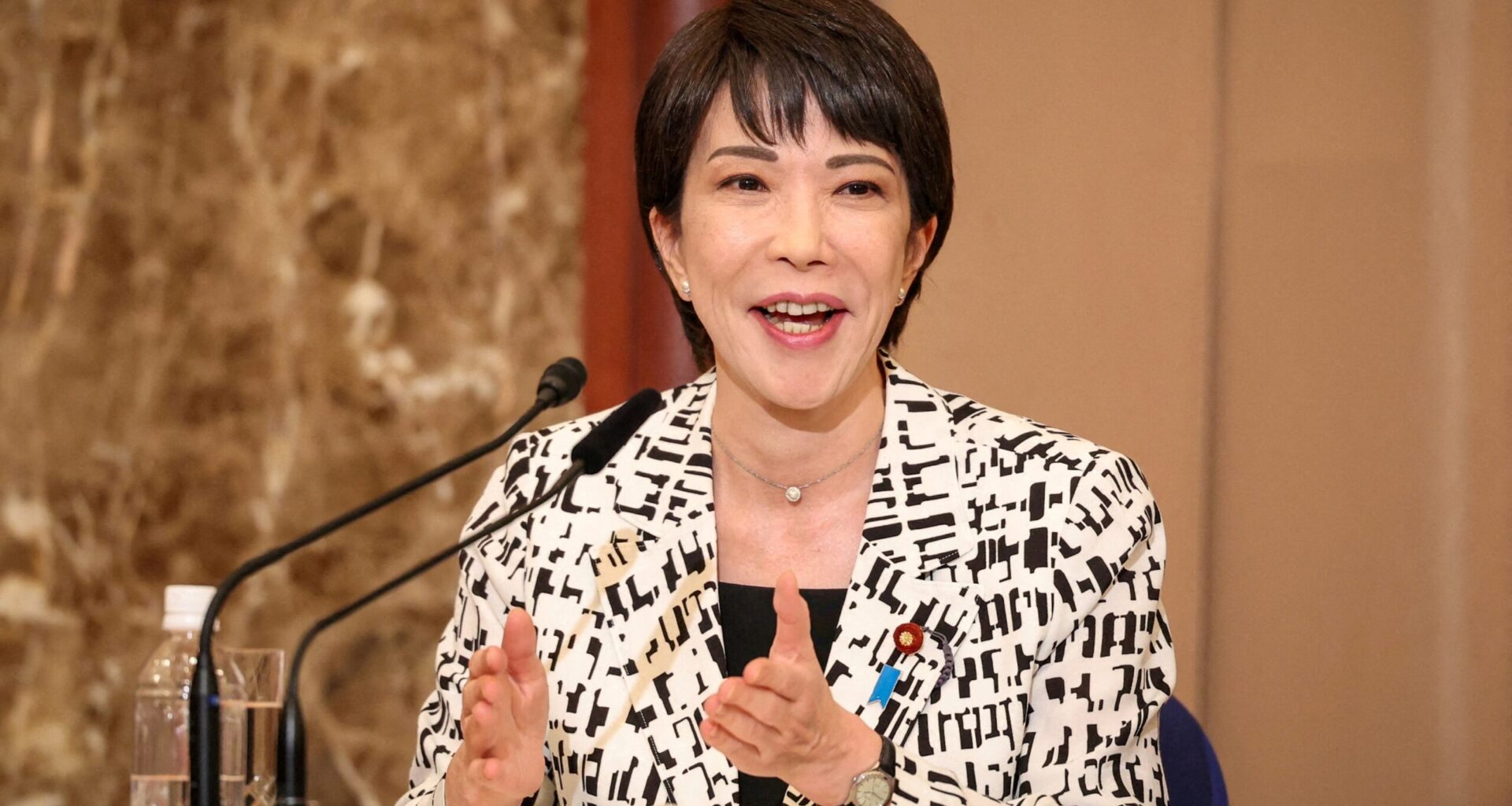
Japan’s Prime Minister Sanae Takaichi vowed Monday to fast-track a controversial tax cut after winning a landslide election with a mandate to overhaul Japan’s fiscal policy, Reuters reported.
Takaichi and her Liberal Democratic Party (LDP) dominated Sunday’s snap vote for the 465-seat lower house. The LDP alone won 316 seats, the party’s strongest performance since its founding in 1955. Her massive win was centered on a campaign promise to pause the 8% food sales tax for two years to help families manage rising costs.
Investors worry about how the world’s most indebted nation will pay for the stimulus. The uncertainty triggered a sell-off in government bonds and sent the yen toward record lows against major currencies.
Some analysts thought a strong win would let Takaichi back away from the plan. Opposition parties that pushed for even deeper cuts had major losses [avoid slang] at the polls.
Takaichi rejected that idea during television interviews Sunday night. She said she would act quickly to fulfill the pledge. Her firm grip on power likely will silence critics within her own party who favor tighter spending.
“The election outcome increases the chance of a consumption tax cut,” said Ryutaro Kono, chief Japan economist at BNP Paribas. Kono noted that Takaichi believes past fiscal policy was too restrictive.
The tax suspension will carry a heavy price tag, about 5 trillion yen (USD 31.9 billion) a year. This is equal to Japan’s entire annual education budget.
Takaichi says she will not issue new debt to fund the gap. However, she has not yet enumerated any specific alternative. She says cross-party debates will iron out the details.
She previously suggested using non-tax revenues. This turned eyes toward Japan’s USD 1.4 trillion in foreign exchange reserves. If the government taps these reserves, it might have to sell the US Treasury bonds it holds. Such a move would likely rattle markets in Washington and Tokyo.
Market experts warn that the funding uncertainty could trigger another bond market crash. Japan’s public debt is already twice the size of its economy.
Rising bond yields would make it more expensive for the government to pay interest on its debt. A weaker yen would also drive up the cost of imports. This could create inflation that cancels out the benefits of the tax cut.
“She won the public’s mandate but not the market’s yet,” said Shinichi Ichikawa, senior fellow at Pictet Asset Management Japan. He said unintended currency drops could drive up food prices and hurt her popularity.
Takaichi appeared somber during post-election interviews despite the win. When a reporter asked why she looked stern, she defended her record.
“It is mean to ask that of someone about to give it everything,” she said.
The Japanese stock market rose on Monday as investors bet on decisive stimulus action. The yen also recovered some ground. Top government spokesperson Minoru Kihara said officials are watching currency moves with a high sense of urgency.
Takaichi is expected to hold a formal press conference later today to outline her next steps.