
Providing data to Agri-Food Regulator will be mandatory from the end of the year, as shopping costs rise at 7pc rate
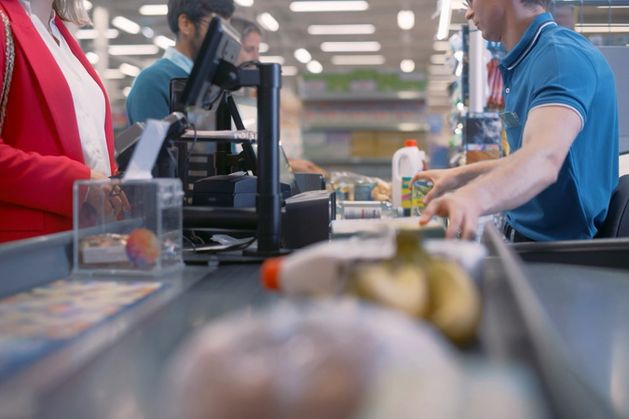
Prices are now rising at a rate of close to 7pc, with shoppers buying fewer items but still ending up spending more. Grocery inflation is now at its fastest rate in more than two years.
Michael Kilcoyne, chair of the Consumers’ Association, said the Government needs to bring forward the new powers given to the Agri-Food Regulator (An Rialálaí Agraibhia), to force farmers, processers and grocery businesses to provide price and market information.
The powers are not due to come into effect until the end of the year.
Mr Kilcoyne said there was a fear that “greedflation” has taken hold in parts of the grocery sector. This is where prices are rising beyond what is necessary to cover increased costs, as some producers and firms may be maximising profits.
Supermarket analysts at Worldpanel by Numerator said Irish grocery inflation rose to 6.82pc in the 12 weeks to the end of last month, up from 6.25pc over the previous period.
A rate of 6.8pc is nearly two-and-a-half times the rate of inflation.
Grocery sales in Ireland rose by 5pc in the four weeks to January, with consumers spending more than €1.2bn on groceries over the period.
But shoppers bought 2pc fewer items, highlighting continued caution among Irish consumers.
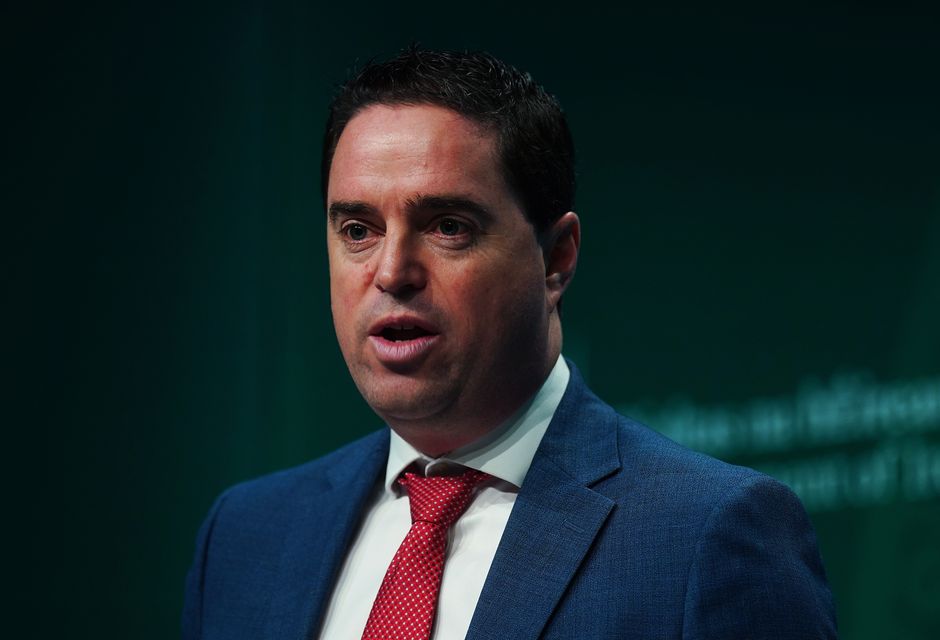
Agriculture Minister Martin Heydon signed off on the new regulations last year. Photo: PA
Business development director at Worldpanel, Emer Healy, said: “January is typically the time when shoppers reset their household budgets, and this year was no different. While grocery sales continued to grow, rising inflation meant that value remained front of mind for consumers.”
Mr Kilcoyne said there was an urgent need for the food regulator to start finding out if profit gouging was occurring in the supply and sale of groceries.
The regulator has been granted new powers to look at costs, profit margins and pricing in the food sector, but they will not come into effect until December 31, to allow time for the regulator to establish new systems and processes.
“The Government needs to fast-track giving effect to new powers that the Agri-Food Regulator now has, to work out the profit margins for food and see which firms are making big money,” Mr Kilcoyne said.
“Greedflation is alive and active in Ireland,” he said.
Agriculture Minister Martin Heydon signed new regulations late last year, giving the Agri-Food Regulator formal powers to get price and margin data from businesses across the food supply chain.
The aim is to improve transparency and address information gaps in how prices are formed from farm to retail.
In the past, the regulator has failed to get co-operation from some firms when it made voluntary requests for data on profit margins, costs and pricing.
In September 2024, the board of the Agri-Food Regulator sought additional powers as envisaged under the Agricultural and Food Supply Chain Act.
The regulator was set up in 2013 with a statutory remit. Its focus is on business-to-business relationships within the supply chain.