
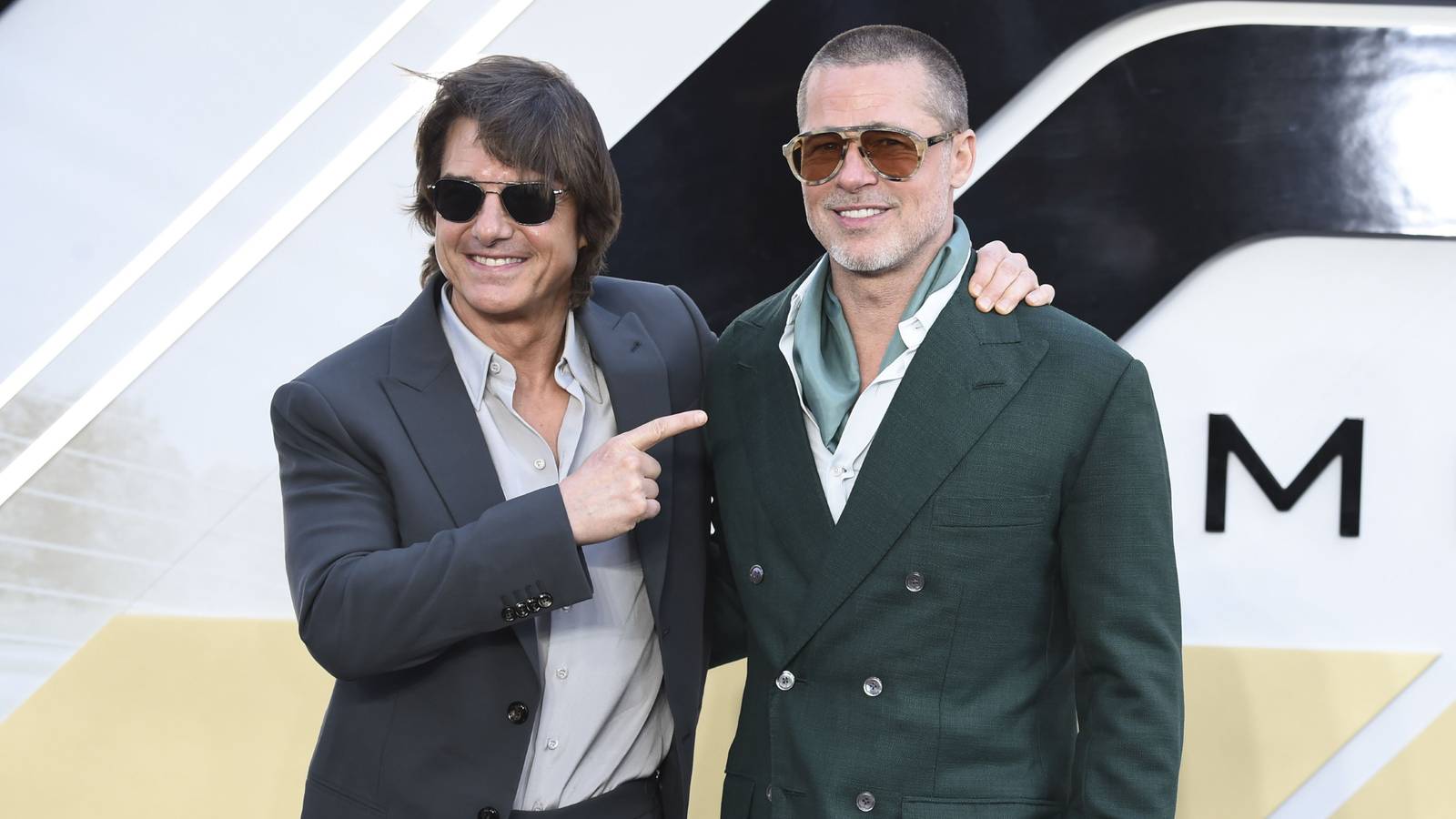
Deadpool and Wolverine writer Rhett Reese has weighed in on a viral artificial-intelligence video that depicts a hyperrealistic fight scene between Tom Cruise and Brad Pitt, commenting on what rapidly developing tools could mean for Hollywood.
A discussion was sparked by a short AI-generated clip shared by filmmaker Ruairi Robinson, who subsequently revealed many more variations, with varying differences in characters, speech, and camera angles. All the iterations take place on the same desolate rooftop setting, and the fight moves largely remain the same.
Responding to the clip via X, Reese argued that the technology could soon allow a single person to create a feature-length movie comparable to big studio releases. He said: “I hate to say it. It’s likely over for us.” Check out this clip and Reese’s comment below:
Reese went on to say in a follow-up post the next day, February 11:
In next to no time, one person is going to be able to sit at a computer and create a movie indistinguishable from what Hollywood now releases. True, if that person is no good, it will suck. But if that person possesses Christopher Nolan’s talent and taste (and someone like that will rapidly come along), it will be tremendous.
And then followed up that post with another shortly after:
Hollywood has long been a gatekeeper that keeps young/poor people away from creative levers. When a young person with no capital sets out to impress Hollywood, they will use tools like these. And young Chris Nolans will be among them. And amazing stuff will result.
As generative video technology rapidly improves, this debate will continue amongst creators, studios, and unions. In the comments for this post, for example, X users’ opinions on the video remain mixed, with some describing it as scary, and others saying the quality isn’t good.
Reese’s comments come amid the ongoing industry debate about artificial intelligence in filmmaking that intensified during the 2023 strikes. Both writers and actors pushed for protections limiting how studios could use AI to either generate scripts or digitally recreate performers’ likenesses without compensation or approval.
These clips, although on a smaller scale than the possibility of an actual Tom Cruise-Brad Pitt action movie, still showcase how sequences and performances can be created without actual, large production resources, crews, and, of course, living actors.
There is the possibility that this technology could be great for independent, smaller projects. Some filmmakers and writers don’t have access to the resources to create work that larger studios do. These tools can then give them opportunities to emerge from outside the traditional big-money system.
As generative filmmaking technology continues to advance, the industry remains uncertain about its long-term impact. Reese’s comments capture that back-and-forth tension, warning again how AI can disrupt traditional jobs while also suggesting it may lower barriers to entry for new creators.