
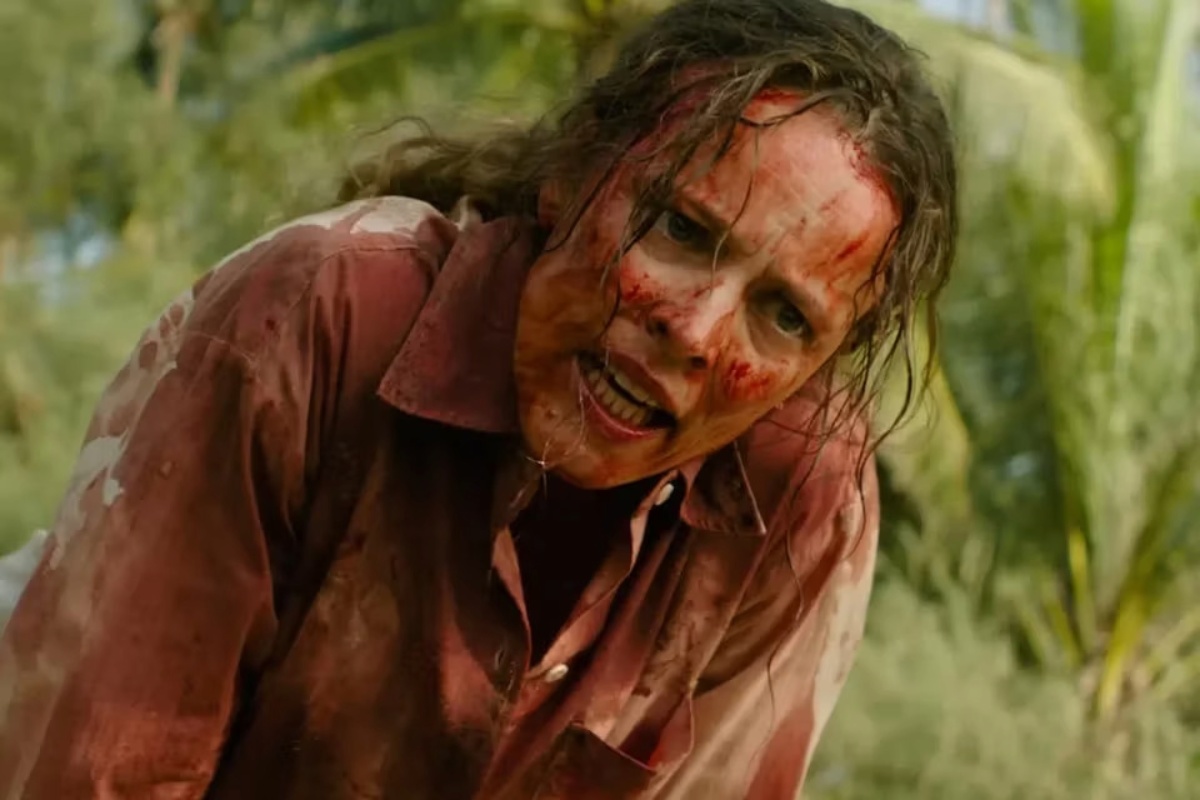
On Send Help, Sam Raimi swears the scariest thing on set wasn’t the fake blood. Which survival trick kept the cameras rolling, and which boardroom instinct followed the cast to a deserted shore?
Sam Raimi turns a plane crash into a wickedly funny survival crucible, stranding Rachel McAdams and Dylan O’Brien on Ko Hong off Thailand where office politics mutate in the wild. The shoot chased realism at every step, from a collapsible jet set and punishing tropical logistics to survival coaching by Ky Furneaux. Even the gore has a blueprint, with Raimi walking the crew through made-for-camera blood that behaves under sun and surf. What emerges is a corporate allegory with bruises, laughs, and the kind of practical trickery that defines his films.
An intriguing plane crash: navigating survival and corporate chaos
What happens when corporate hustlers find themselves devoid of company perks and office politics but still stuck in a power struggle? Sam Raimi’s latest cinematic venture, Send Help, released on February 11, 2026, is a comedic horror thriller starring Rachel McAdams and Dylan O’Brien as two survivors stranded on a deserted island after a catastrophic plane crash. The result is a razor-edged blend of survival tactics, dark comedy, and biting commentary on human nature.
The film follows Linda Liddle (McAdams) and Bradley Preston (O’Brien), two cutthroat corporate professionals now grappling with primal challenges. Beyond the blood, suspense, and occasional slapstick humor, Raimi layers a deeper critique of corporate dynamics. Stripped of boardrooms and power suits, what remains is a raw power struggle and a hard-fought transformation that reshapes their identities in unexpected ways.
The making of Send Help: where art meets grueling reality
Filming a story of survival would not feel authentic without plunging into real-world challenges, and Raimi pushes those boundaries. The production unfolded along Thailand’s coast, particularly on the uninhabited island of Ko Hong. Breathtaking scenery came at a cost, as cast and crew braved sweltering humidity and limited resources while ensuring every frame felt lived-in. How does one stage a realistic plane crash under such conditions?
The answer lies in Raimi’s devotion to practical effects. A full, collapsible plane set was shipped to the island so the crash could play out in visceral detail. For gore enthusiasts, Raimi even shared his famed fake-blood approach, blending corn syrup, food coloring, and secret ingredients to achieve that trademark viscosity. The production walks a tightrope between chaos and control, amplifying tension without losing authenticity.
Survival, both on and off-screen
Raimi’s pursuit of realism led to a close collaboration with expert survivalist Ky Furneaux, who ensured the on-screen tactics stayed grounded in reality. From firemaking to resource management, the cast trained in real-world skills any stranded traveler would envy. Picture Rachel McAdams learning to fillet fish during rehearsals while Dylan O’Brien wrangles with the logic of makeshift shelter design, all feeding the film’s tactile credibility.
Survival also defined daily life behind the camera. Heat exhaustion and dehydration hovered as constant threats, prompting the crew to assign specific roles to track hydration and preserve continuity in ever-shifting sands. In a wry twist, the so-called sand sweeper erased stray footprints to maintain the illusion of isolation, a tiny job with outsized impact on immersion.
Corporate allegory in survival suits
Raimi’s vision extends beyond a barren shore, cleverly refracting the island through the lens of office culture. The beach becomes a metaphorical boardroom, where power struggles persist despite dwindling resources and shared threats. Linda and Bradley’s tense negotiations echo familiar workplace dynamics, turning their ordeal into a sharp mirror for anyone who has navigated corporate currents.
Send Help earns its place with its dark humor and visceral storytelling, where survival ingenuity intertwines with a ruthlessly funny take on ambition. The film’s relentless setting and character-driven stakes coalesce into a visual and emotional jolt, proof that Raimi still crafts not just a movie but an experience that lingers long after the credits roll.