
A controversial review of special needs assistant (SNA) allocations is being paused after criticism from teachers, parents and unions.
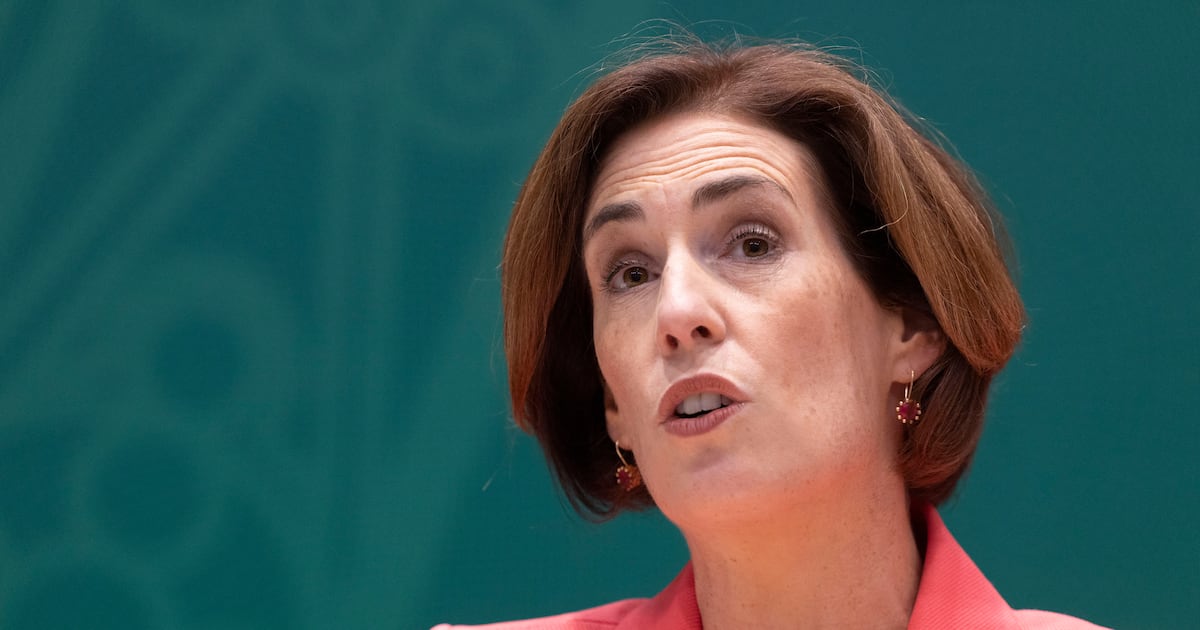
Minister for Education and Youth Hildegarde Naughton on Tuesday said, having listened to issues raised by parents and school communities in recent days, she is pausing the review of allocations.
“I want to reiterate that there are no cuts to SNA numbers. I want to ensure that SNAs are with the children who most need their care,” she said in a statement.
The review sparked criticism after the National Council for Special Education (NCSE) contacted some schools indicating their allocations were being reduced.
The Department of Education had said the number of SNAs allocated to a school can change for a variety of reasons, including fluctuating student numbers, changes in individual care needs or students moving from primary to post-primary school.
Naughton said on Monday that 584 reviews have been carried out, with two-thirds of schools set to retain or grow their SNA allocation for 2026. However, 194 schools would see their allocation cut, she said then.
Naughton told RTÉ News she encouraged any school that felt its allocation was being unfairly reduced to use internal appeals processes run by the NCSE. She said SNAs were not going to be losing their jobs and a redeployment scheme would be available from September this year.
She indicated at the time that a rethink was not being considered, urging schools to use the appeals mechanism.
Trade union Forsa’s head of education Andy Pike said on Monday that a significant number of schools had received notifications that their SNA jobs were being “cut”.
He said there was a lack of clarity over how many jobs were being affected, with the overall number of SNAs due to increase by about 1,000 from September.
However, in her statement on Tuesday Naughton announced a pause of the review and said she and Tánaiste Simon Harris are “engaging intensively to ensure that all of the concerns raised are all understood and children with special educational needs are fully supported”.
“No further letters on SNA review outcomes will issue until these engagements have concluded in the coming weeks,” the Minister said.
She said some €3 billion has been provided in 2026 for special education, while the number of SNAs has increased by 45 per cent since 2020. She said an additional 1,700 SNAs will support our children this year compared with during 2025.
“SNAs play a critical role in our schools – I know how much they mean to school communities, parents and the children they support,” Naughton said.
In the Dáil Taoiseach Micheál Martin insisted “no SNA is being removed from any school during this school year” and “no SNA will lose their job because there’s a redeployment scheme” in place.
Martin said he first introduced the SNA system, which had grown to close to 25,000. He said the numbers had grown by 45 per cent in the last five years alone.
He told Sinn Féin leader Mary Lou McDonald: “I understand fully the stress and the difficulty and the fear that can develop in terms of the potential of losing services or in a given school”.
But he said “it’s not plausible that there wouldn’t be reviews” and there were criticisms that “reviews should be more regular to make sure that our resource goes should be most in need” because different needs arise every year.
He accused the Sinn Féin leader of saying that “every SNA stays in situ forever irrespective of the need” and said that did not make sense either.
She said he could “rattle off big numbers, but that’s no comfort to a parent who has seen their child progress and thrive with the support of an SNA that has seen them go from dreading school to loving school” and parents were “now wracked with worry because their child will lose that support come September”.
The Taoiseach’s response was “no help, no comfort, no solution, just appeal – a reply as cold as the cuts themselves”.
Fórsa, which represents more than 18,000 staff in schools and early education, welcomed the Government’s pause.
Andy Pike, Fórsa’s head of education, said: “This pause gives us an important opportunity to discuss a better way of planning and managing SNA allocations for the future. It is a significant step forward in recognising that the work of SNAs goes far beyond what is reflected in the current, outdated SNA circulars.”