
Testing of biofuels, electric melting and commissioning of hydrogen capabilities shows promise for sector decarbonisation.
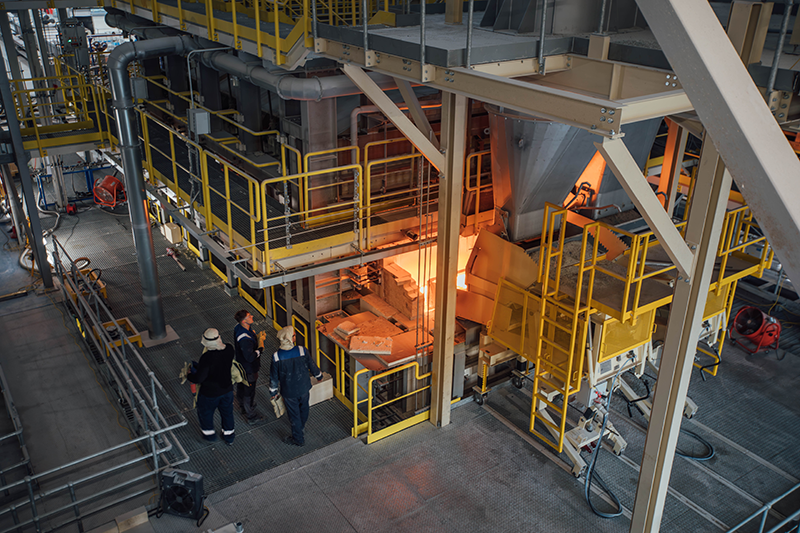
Glass Futures’ ‘world-first’ multi‑fuel, hybrid, pilot‑scale glass furnace has been fully commissioned
© Glass Futures
Glass Futures, which connects glass R&D to industry applications, has demonstrated alternative fuels’ potential on its 30-tonnes-per-day pilot line.
The company says this includes successful installation and commissioning of a bespoke biofuel delivery system, fully integrated into the site’s digital control environment, which has been used to fire four low-cost, waste-derived biofuels for sustained periods over several days.
Supported by F.I.C. UK, the Glass Futures team installed, commissioned and trialled a custom electric boost system.
This was used to test a range of power settings, such as rapid switching, to demonstrate how a glass furnace could provide demand-side response capabilities to local electricity networks.
Additionally, the team commissioned a hydrogen fuel delivery system on the pilot line to enable firing of hydrogen supplied by Ryze Power and natural gas blends (up to 100% hydrogen).
The complex, multi-pathway trials started in October 2025 and have shown the technical potential of low-carbon-fuel technologies at industrial scales.
The technical teams are collating the results to ascertain technical readiness of each alternative fuel pathway and how this will influence broader decarbonisation policies.
They say technical and adoption barriers persist, and they are working with Glass Futures members to identify the optimal combination of decarbonisation solutions.
Since completing this trial campaign, the team has also started discussing future campaigns with members.
The second campaign is planned to explore the next generation of raw materials and process innovations, while the third will investigate product innovations in flat and packaging glass.
Furthermore, its AI-GLASS project has started gathering operating data to validate the advanced furnace model for further optimisation and emissions reductions, which involves advanced sensing, digitalisation and intelligent control.