
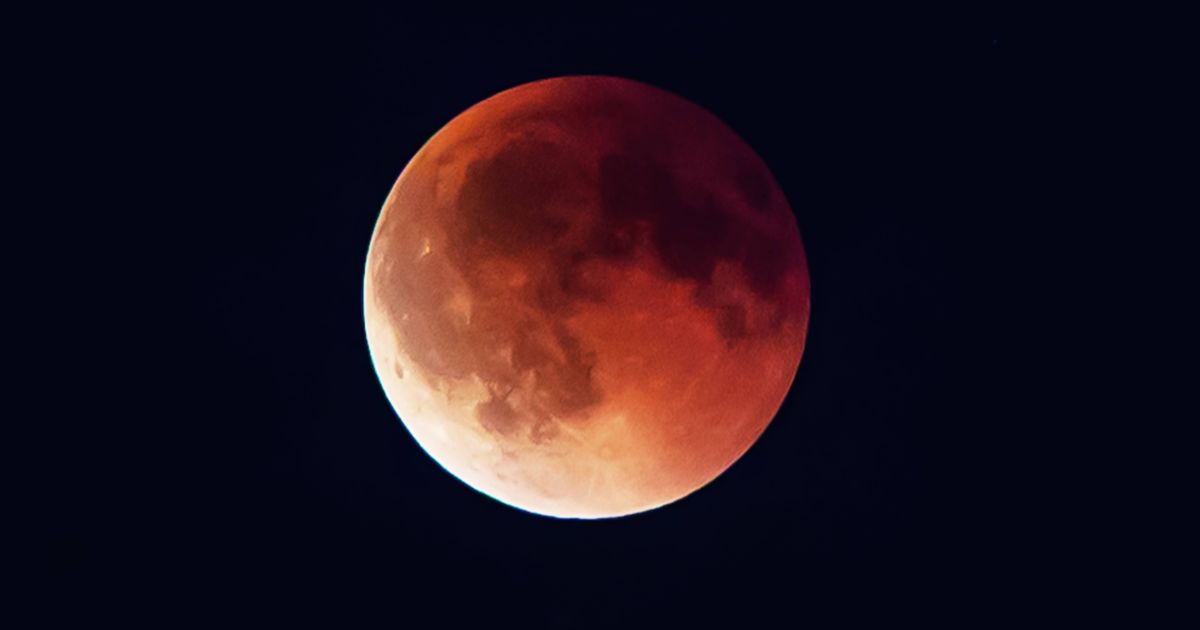
A rare Blood Moon lunar eclipse will light up skies next week with the Moon turning deep red, but the eclipse won’t be visible in Ireland, UK, Europe or Africa with best views from North America, Australia and Asia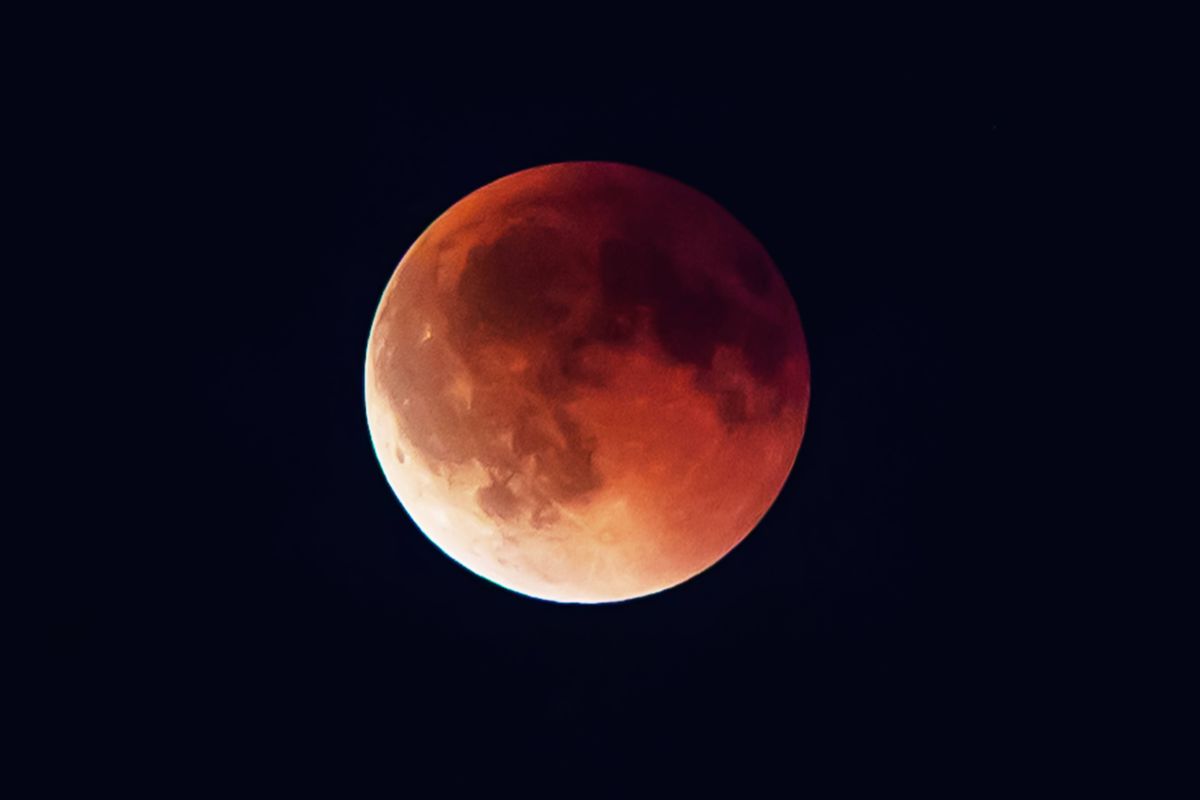
Red lunar eclipse(Image: Getty Images)
A rare lunar eclipse is scheduled to occur next week lasting over an hour.
Throughout this celestial event, the Moon could transform into a deep crimson shade, which is why observers occasionally refer to it as a “Blood Moon”. Regrettably, the eclipse won’t be observable in Ireland, the UK, Europe or Africa.
The optimal viewing locations will be across North America, the Pacific region, Australia and sections of East Asia.
NASA stated: “The eclipse is partial in central Asia and much of South America. No eclipse is visible in Africa or Europe.”
Whilst Irish residents will be unable to witness this blood red eclipse, there is an opportunity for astronomy enthusiasts in Ireland to experience the spectacle later in the year, reports RSVP Live.
Those in Ireland will get the chance to observe the Moon displaying a deep crimson hue, as another eclipse occurs in August.
On the morning of Friday, August 28, a lunar eclipse will be viewable and the Moon will alter its appearance.
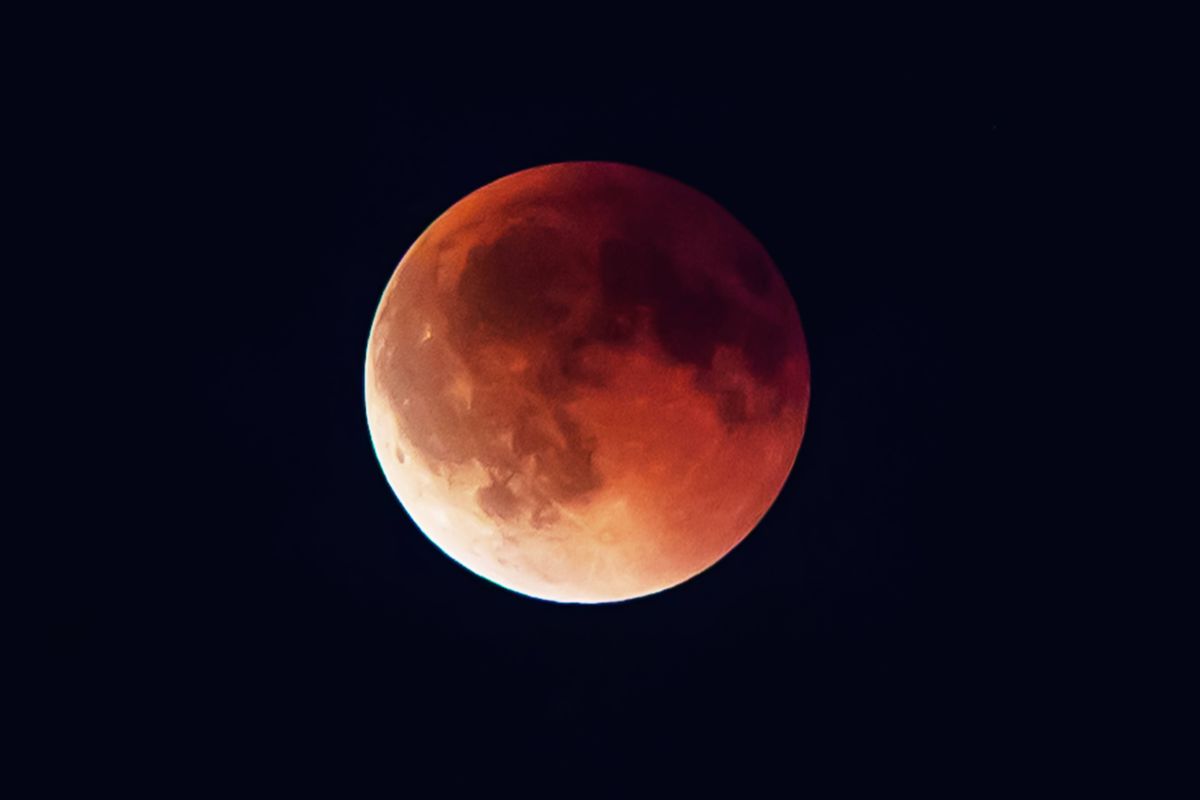
Red lunar eclipse(Image: Getty Images)
Sky watchers will need to rise at approximately 5am to witness it, as 94% of the lunar surface will be obscured by Earth’s shadow.
The moon will appear red because unlike a solar eclipse where the Sun becomes blocked out, during a total lunar eclipse, the Moon remains visible and adopts a red or orange tone.
This occurs because sunlight travels through Earth’s atmosphere. The atmosphere contains gases and particles that function like a filter which disperses blue light (which is why the sky appears blue), whilst red and orange light penetrate more readily.
During a lunar eclipse, Earth positions itself directly between the Sun and the Moon, casting its shadow across the lunar surface.
As Earth intercepts the Sun’s rays, that distinctive reddish light bends around our planet and illuminates the Moon, giving it a striking copper-like glow in the night sky.
This celestial phenomenon exclusively occurs during a full Moon, when the Moon sits on the opposite side of Earth from the Sun.
Should only a portion of the Moon fall within Earth’s shadow, the event is referred to as a partial lunar eclipse.
Want to see more of the stories you love from Dublin Live? Making us your preferred source on Google means you’ll get more of our exclusives, top stories and must-read content straight away. To add Dublin Live as a preferred source, simply click here.