
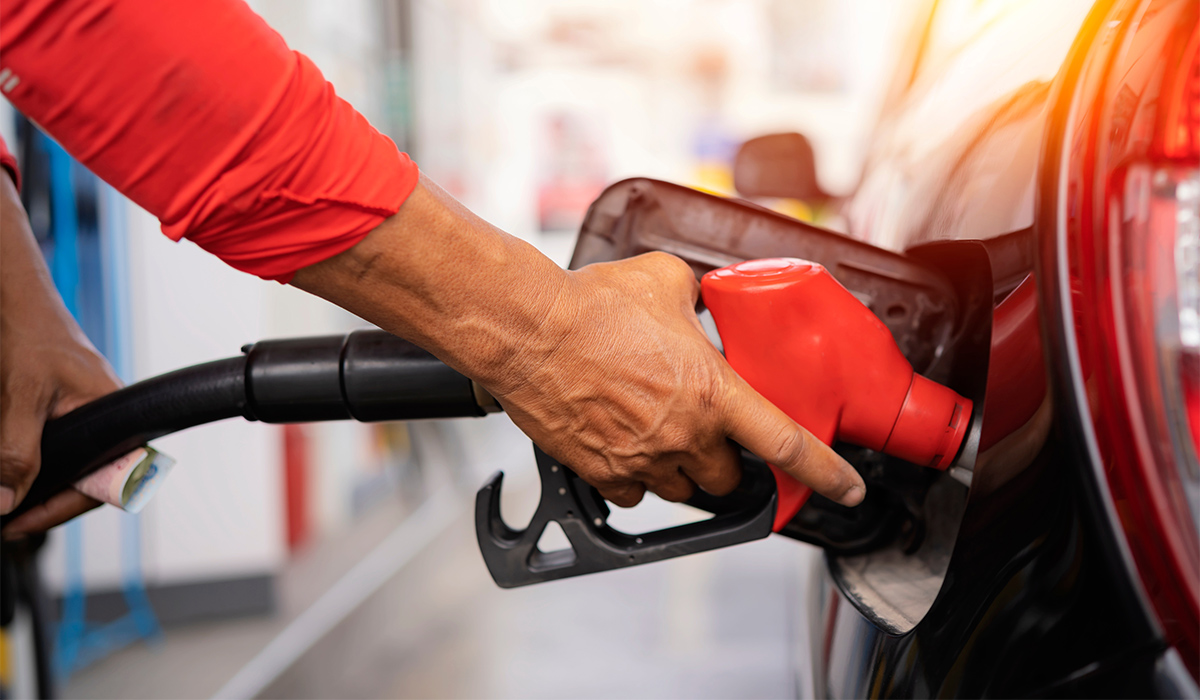
Petrol prices have already been increased in filling stations across the country amid attacks in the Middle East.
Oil prices are expected to surge following US and Israeli strikes against Iran, hitting the global economy and household finances.
Crude prices are set to rise sharply when markets reopen tomorrow over concerns that the latest flare-up will disrupt oil exports through the Persian Gulf.
However, it didn’t take a rise in supply prices for fueling stations across Ireland to lump up their prices at the pump.
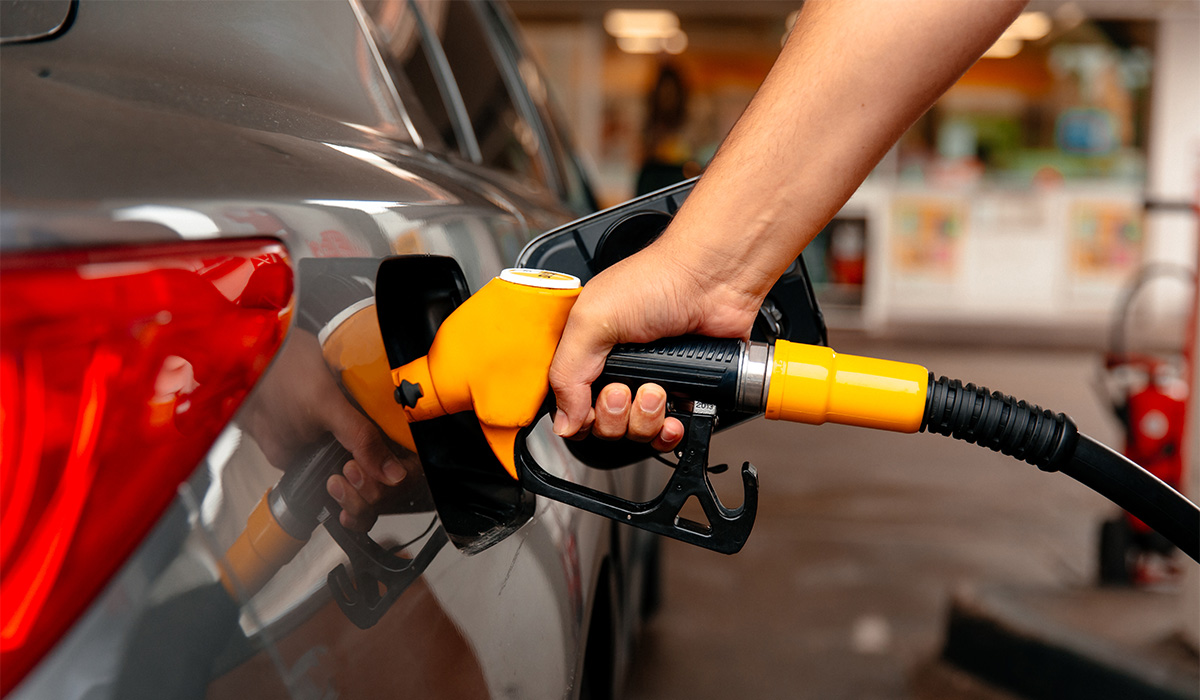 Petrol prices have already been increased in filling stations across the country amid attacks in the Middle East. Pic: Shutterstock
Last week, prices averaged somewhere between 168c to 173c per litre for diesel or unleaded.
After the US first launched attacks on Iran on Friday night, many stations immediately lifted their prices to the 175c mark on Saturday morning.
By Saturday evening, many stations were charging just below the 178c mark.
On Sunday, stations have already been observed charging as high as 180.9c per litre.
 On Sunday, stations have already been observed charging as high as 180.9c per litre. Pic: Shutterstock
Iran has the third-largest crude reserves in the world and also controls the Strait of Hormuz, a narrow shipping lane through which 20 per cent of the world’s oil and gas passes each day.
It threatens to pile even more pressure on household budgets, with higher crude costs pushing up petrol prices and stoking inflation.
There are also fears the conflict will hit stock markets, affecting the pension plans of millions.
Fuel costs already rose last week as traders grew anxious about military action in the Middle East after Donald Trump’s deployment of a naval armada to the region.
Helima Croft, an analyst at RBC Capital, told the Financial Times oil prices could rise to $100 (€85) a barrel if Iran closed the Strait of Hormuz, an increase of 37 per cent from their level on Friday.
That could add as much as 0.7 of a percentage point to inflation, according to Capital Economics.
Susannah Streeter, at broker Wealth Club, said closure of the Strait of Hormuz would be ‘hugely disruptive, particularly for other major oil producers like Saudi Arabia’.