
Thousands of men with advanced prostate cancer could be spared brutal side effects by a “kinder” treatment approach which means they can “feel normal again”.
Early findings suggest that halving the dose of hormone therapy drugs is effective at keeping the cancer under control, while limiting the extreme fatigue, joint pain and hot flushes associated with treatment.
The approach is being tested in a new £3.2 million trial, funded by Cancer Research UK and Prostate Cancer UK, and could become a part of standard care on the NHS by 2030.
Prostate Cancer is the UK’s most common cancer, with 63,000 cases and 12,000 deaths a year. About 10,000 men have advanced prostate cancer — which is when the disease has already spread and is not curable.
These men are typically treated with powerful hormone therapies to help extend their lives, but they come with extreme side effects such as fatigue, hot flushes, and high blood pressure which can be so severe some men forgo treatment altogether.
• Patient operated on in Gibraltar — by a surgeon in London
The new trial, called Enhance, is the first of its kind and will recruit 1,500 men from hospitals around the UK. They will be given either a full-dose or half-dose of four commonly used hormone drugs — abiraterone, enzalutamide, darolutamide and apalutamide — to see if treatment is effective at a lower doses. These hormone drugs work by lowering testosterone, which prostate cancer cells need to grow.
Retired solicitor Jonathan Edwards, 80, from Cheshire, is among a group of patients who have already tested this lower-dose approach, and said it “transformed” his life.
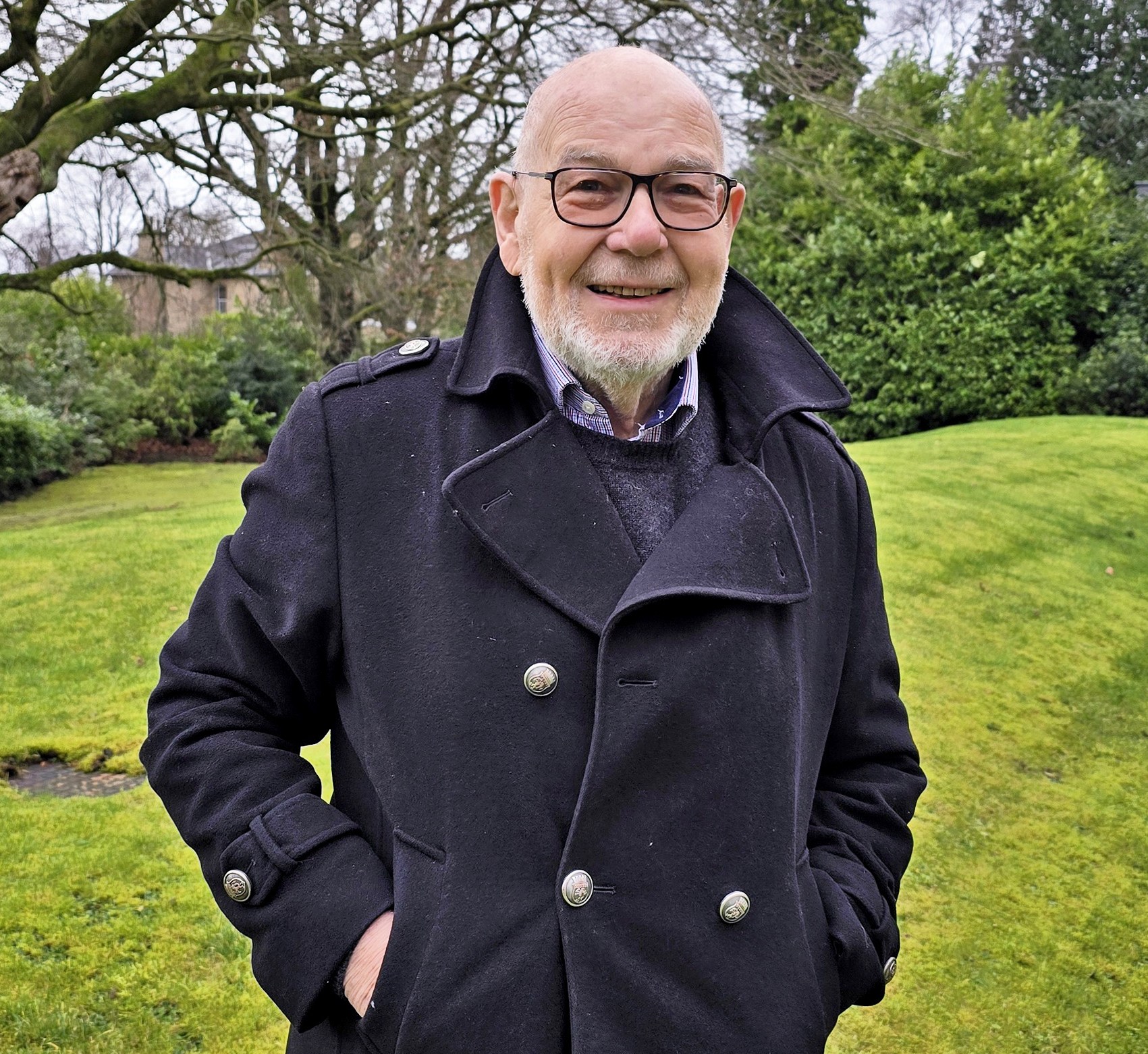
Jonathan Edwards took part in a lower-dose trial with excellent results
Edwards was diagnosed with prostate cancer at the end of 2024 and struggled badly with the side effects of the hormone-blocking drug enzalutamide. But when his nurse reduced his dose, his cancer remained under control and his quality of life improved dramatically. Now his cancer is “undetectable”.
Jonathan said: “The side effects made me extremely tired; I was sleeping through the day on and off and I had frequent hot flushes and generally felt weak.
“When the nurse suggested lowering the dose I was not sure what to expect. The difference soon became apparent and I felt normal again. I know that I will stay on the medication for as long as it is effective but, in the meantime, I am able to live a pretty normal life. I now exercise more and do not usually need an afternoon sleep. Happily, my PSA level started to go down until, after a few months, it was undetectable and has, so far remained undetectable.
• Cancer patients are dying after choosing fad social media ‘cures’
“My life has been transformed by the medication, my energy levels are higher, and I can socialise as normal. Travelling was a problem but now I can plan trips as long as I work around the 12-week cycle of injections and consultations.”
The study is being led by Professor Ananya Choudhury at the University of Manchester and The Christie NHS Foundation Trust and run jointly with University College London.
Choudhury said: “Patient experience has been central to the design of this trial. We know these drugs can be life-extending but for many men the side effects are extremely challenging. Cases like Jonathan’s demonstrate why this trial is crucial to the future of prostate cancer care.
“Throughout the study, we will closely monitor survival and side effects, with a particular focus on fatigue and quality of life. By making treatment more tolerable, we hope more men will be able to stay on therapy for longer and gain the full benefit.”
Dr Ian Walker, of Cancer Research UK, said: “Thanks to research, there’s been huge progress in prostate cancer treatments. Today, more than 8 in 10 men diagnosed with the disease in the UK will survive for 10 years or more.
“There’s more that can be done to save even more lives though, and in addition to finding more effective treatments, we need to find kinder ones too.”
Dr Matthew Hobbs, the director of research at Prostate Cancer UK, said: “No man should be forced to compromise between survival and their day-to-day wellbeing. This is a crucial issue for men with prostate cancer.”