
In a recent appearance on Bloomberg’s “This Weekend,” Daniel Yergin, a Pulitzer Prize-winning economic historian and Vice Chairman at S&P Global, provided a stark assessment of the current global energy landscape. Yergin, a leading authority on energy markets and geopolitics, highlighted that the world is experiencing significant disruptions that are far from being resolved.
The conversation centered on an opinion piece penned by Yergin for the Financial Times, titled “Is the Nightmare Scenario for Global Energy Here?” He elaborated on the unprecedented nature of the current energy crisis, noting that while oil prices are in the $90s per barrel, this is still a far cry from the worst-case scenarios that could unfold.
Daniel Yergin’s Perspective on the Energy Crisis
Daniel Yergin is a renowned figure in the energy sector, known for his insightful analysis and historical perspective on market dynamics. His extensive work, including the seminal book “The Prize: The Epic Quest for Oil, Money, and Power,” has established him as a go-to expert for understanding the complex interplay of energy, economics, and international relations.
The full discussion can be found on Bloomberg Podcast’s YouTube channel.
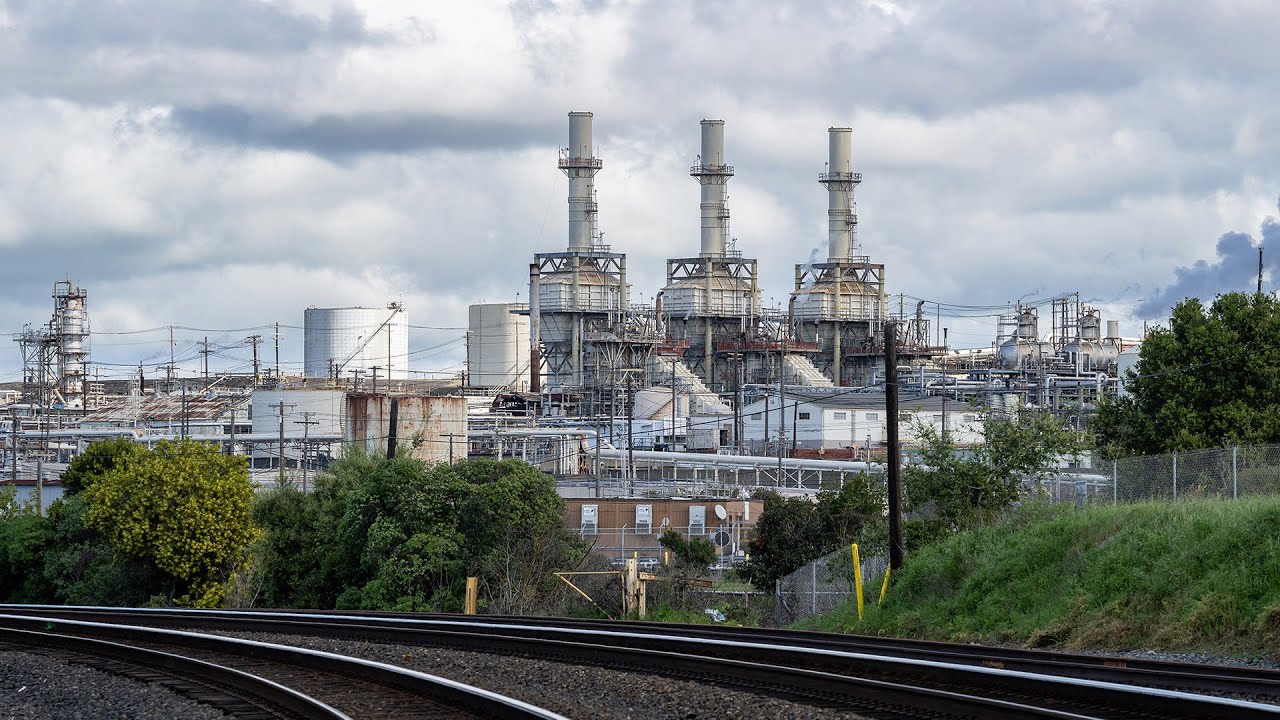
Energy Markets Face Uncertainty Amid Prolonged Conflict — from Bloomberg Podcast
In the interview, Yergin emphasized that the global energy markets are currently navigating a period of profound shock. He pointed to the biggest disruption in oil production history and a resounding shock to global gas markets as key indicators of this instability. The central question, according to Yergin, is the duration of the ongoing conflict and its ripple effects on energy supplies.
The “Nightmare Scenario” and its Implications
Yergin described the current situation as potentially leading to a “nightmare scenario” for global energy. He drew parallels to past energy crises, such as the oil shocks of the 1970s, but stressed that the current circumstances are of a different magnitude. He stated, “The key question for global energy markets now is the duration of this explosive war.”
The implications of this prolonged disruption are significant. Yergin explained that when countries are unable to export their oil due to conflict or other geopolitical factors, and storage facilities become full, production must be curtailed. This is precisely what is happening in some regions, forcing a reduction in output.
Geopolitical Factors and Market Responses
The conflict in Ukraine has been a major catalyst for the current energy crisis, disrupting supply chains and increasing price volatility. Yergin noted that the United States, as the world’s largest oil producer, has seen its production increase significantly, providing a degree of resilience. However, he cautioned that this does not insulate the global market entirely from the broader geopolitical tensions.
Yergin also touched upon the actions of other key players in the energy market. He mentioned that countries like the UAE and Kuwait are initiating oil output cuts, a move that reflects the broader strategy of major oil-producing nations to manage supply and price. He also highlighted that China has been building substantial strategic reserves of oil, a move that could influence market dynamics in the future.
The Role of Strategic Reserves and Alternative Supply Routes
The conversation also delved into the strategic use of oil reserves. Yergin recalled the situation in 1991 during the Gulf War when the US released oil from its Strategic Petroleum Reserve to stabilize markets. He noted that while the US has significant reserves, the current situation is more complex, with production being diverted and markets being tightly managed.
He emphasized the importance of alternative supply routes, such as the East-West network that can move oil to the Red Sea, providing a crucial outlet for producers in the Persian Gulf. This infrastructure is vital for ensuring the continued flow of oil to global markets, even amidst geopolitical instability.
The Impact on Consumers and the Economy
Yergin’s analysis underscored the direct impact of these energy market disruptions on consumers. He pointed out that gasoline prices are particularly sensitive to supply shocks and that the current situation is leading to increased prices at the pump. This, in turn, can have a cascading effect on the broader economy, fueling inflation and potentially leading to a recession.
He also noted that the market is not functioning as efficiently as it has in the past, with a significant amount of oil being held in storage rather than being readily available for consumption. This mismatch between supply and demand can further exacerbate price volatility.
The Future of Energy Markets
Looking ahead, Yergin stressed the importance of understanding the duration of the conflict and its ultimate impact on global energy supplies. He suggested that the market’s ability to adapt and find alternative solutions will be crucial in navigating this challenging period. He also highlighted the role of strategic decision-making by governments and international organizations in managing the crisis and ensuring energy security.
In conclusion, Daniel Yergin’s insights provide a sobering yet essential perspective on the current state of global energy markets. The confluence of geopolitical tensions, supply disruptions, and the potential for prolonged conflict paints a picture of a market facing unprecedented challenges, with significant implications for the global economy.