
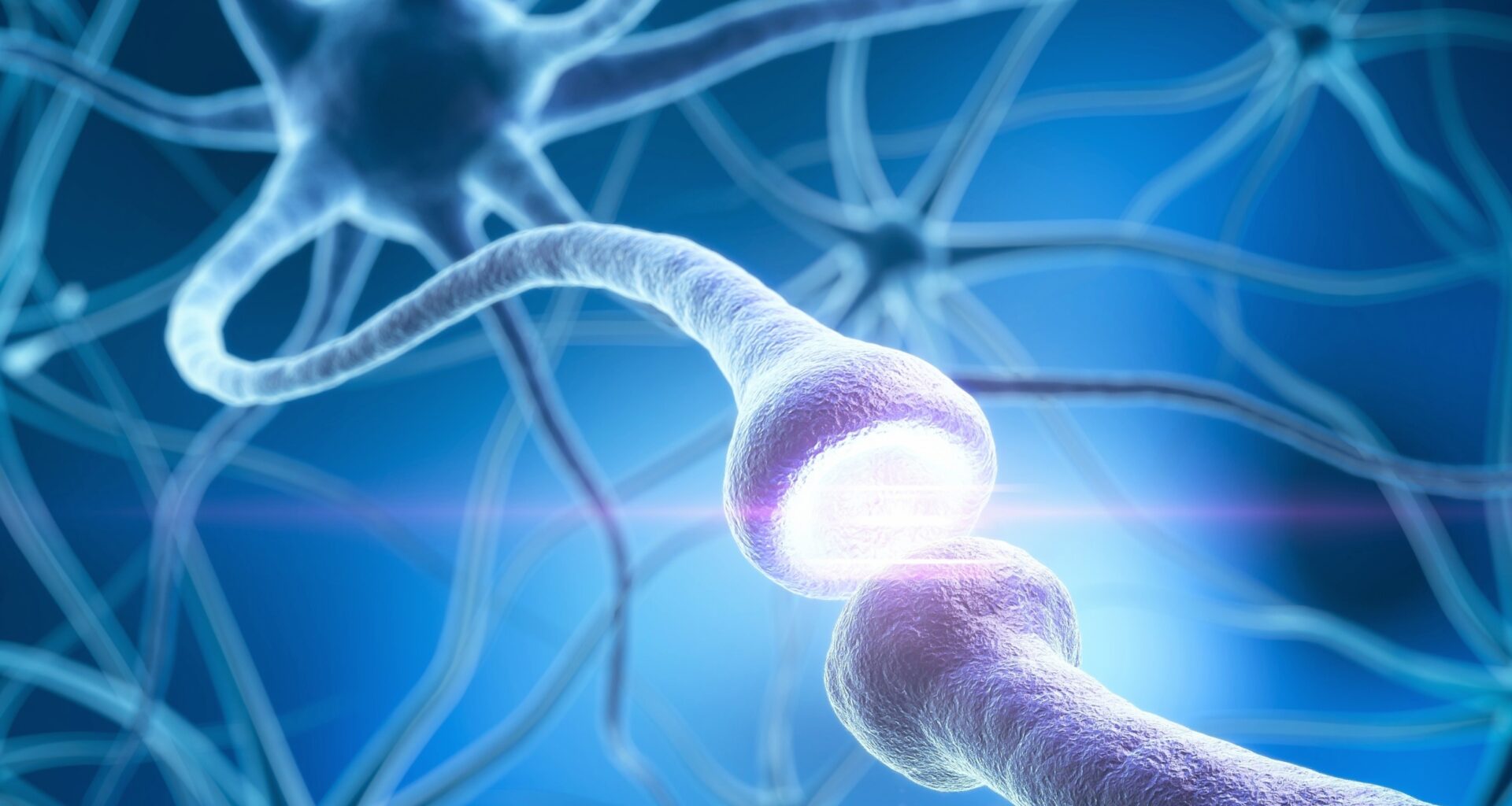
Scientists have discovered that breathing and brain activity inside key movement circuits fall out of sync during the deepest stage of sleep.
That separation reveals a hidden rule of deep rest and reframes how the sleeping brain handles signals arriving from the body.
Deep sleep breaks breathing signals

Electrical rhythms recorded from movement circuits deep in the brain reveal that breathing no longer sets their timing during the deepest sleep.
Analyzing those signals, Dr. Bon-Mi Gu at Hackensack Meridian Health (HMH) demonstrated that the breathing-brain link weakens sharply inside motor networks as sleep deepens.
The same circuits track breathing closely during wakefulness and lighter sleep, yet that coordination fades once the brain enters its slowest sleep rhythms.
Understanding why the brain releases that timing signal could help explain how deep sleep reshapes communication between internal circuits and the body.
Breathing rhythm guides brain signals
Breathing can set a tempo for neural signals, and a 2017 review traced that link from the nose to deep brain networks.
Researchers call this respiration-neural coupling, breath-linked timing between breathing and brain signals, and it often strengthens during alert states.
Across Dr. Gu’s data, coupling did not behave the same way in every area, hinting that the brain applies local rules.
Understanding where that timing holds, and where it drops out, could make sleep and anesthesia monitoring more precise.
Brain movement circuits
Signals came from the substantia nigra, a deep brain region tied to movement control, and from the motor cortex.
Neuroscientists place the substantia nigra inside the basal ganglia, deep brain hubs that help start and stop movements.
Pairing these deep signals with the motor cortex let the team test whether breathing timing spread across both layers of movement control.
Breathing rhythms reach many brain areas, so changes inside these motor hubs could ripple into movement and sleep problems.
Comparison across sleep stages
For each mouse, the team watched brain signals and diaphragm activity through quiet wakefulness, different sleep stages, and anesthesia.
During non-REM sleep, the quieter stage that includes deep sleep, the brain shows slow waves and less movement.
Later, REM sleep, the stage marked by rapid eye movements, brings twitchy muscles and the kind of brain activity linked to dreams.
Tracking the same mouse across conditions let the team separate changes tied to sleep itself from changes tied to anesthesia drugs.
Sleep that weakens the timing
Non-REM sleep produced the weakest breath-to-brain timing, and the drop showed up in both recorded regions.
Compared with quiet wakefulness and REM sleep, breathing lined up less often with electrical activity in the substantia nigra and motor cortex.
Moving from REM sleep into non-REM sleep, the coupling faded rather than simply changing speed with each deeper stage.
Seen across stages, the pattern argues that the deepest rest state changes how the brain handles body rhythms.
Anesthesia changes the story
Under anesthesia, breathing and brain activity did not behave like sleep, even when the animals looked still.
With anesthetic drugs that depress brain activity and reflexes, the substantia nigra showed much stronger coupling.
Motor cortex signals did not strengthen the same way, pointing to a deep-region sensitivity that drugs can amplify.
This divergence hints that anesthesia can overdrive one circuit while leaving another closer to normal sleep processing.
Communication across motor circuits
Slow delta waves came with stronger coordination between the substantia nigra and the motor cortex.
As those two regions lined up with each other, breathing had fewer chances to pull their electrical signals into step.
This pattern suggests deep sleep favors internal communication across motor circuits, even if it means loosening contact with the body.
If future work confirms the cause, scientists could target that internal link to adjust sleep depth without changing breathing.
Future research directions
Parkinson’s disease damages parts of the basal ganglia, and many patients report disrupted sleep along with breathing problems at night.
Because the substantia nigra sits inside that system, changes in breath-brain timing there could track early stress on those circuits.
Clinical teams already watch breathing during sleep for safety, and this work suggests brain rhythms might add a missing layer.
Mouse data cannot predict human symptoms by itself, but it offers a clear circuit to test in future patient studies.
By showing that deep sleep can cut the timing link between breathing and key motor circuits, the study reframes a basic body-brain handshake.
Follow-up work in humans and other brain regions will need to confirm when coupling helps, when it hurts, and how drugs alter it.
The study is published in The Journal of Neuroscience.
—–
Like what you read? Subscribe to our newsletter for engaging articles, exclusive content, and the latest updates.
Check us out on EarthSnap, a free app brought to you by Eric Ralls and Earth.com.
—–