
Updates from the 2026 USGS Report
The USGS Mineral Commodity Summaries 2026, released in February, provides the most current estimates based on 2025 data, with notable revisions.
Besides Australia and Malaysia, India is also listed as a potential REE supplier.
In July, Indian government official Jitendra Singh, said India has identified a total of 8.52 million tonnes (MT) of in-situ REO resources across multiple states, though data remains unverified or reclassified data.
The world total reserves are estimated at over 85 million tonnes, a downward revision from prior figures, reflecting more refined assessments of economically recoverable deposits.
What are rare earth elements?
Rare earth elements include the 15 lanthanides (such as neodymium, dysprosium, and cerium), plus scandium and yttrium.
Despite their name, these elements are not particularly “rare” in the Earth’s crust — they are more abundant than silver or gold — but they are challenging to extract in economically viable concentrations due to their dispersed nature.
REEs are typically found in minerals like bastnasite, monazite, and xenotime.
Why do rare earth reserves matter?
REEs are critical for high-tech applications:
Electronics and Defense: Neodymium in permanent magnets for hard drives, electric motors, and wind turbines; europium in LED screens.
Green Energy: Essential for electric vehicle batteries, solar panels, and energy-efficient lighting.
Healthcare and Industry: Used in MRI machines, catalysts for petroleum refining, and alloys for aerospace.
Demand surging
Global demand is surging with the shift to renewable energy. The International Energy Agency projects that REE demand could quadruple by 2040 to meet net-zero goals.
Yet, production is highly concentrated, raising concerns about supply security, price volatility, and strategic vulnerabilities, as per National Defense Magazine.
Production data
Global mine production rose slightly from 380,000 tonnes in 2024 to 390,000 tonnes in 2025, with China accounting for about 70%, according to a USGS report.
The report notes that while REEs are abundant in the Earth’s crust, minable concentrations are scarce, and North American resources (beyond reserves) exceed 17 million tonnes.snexplores.org
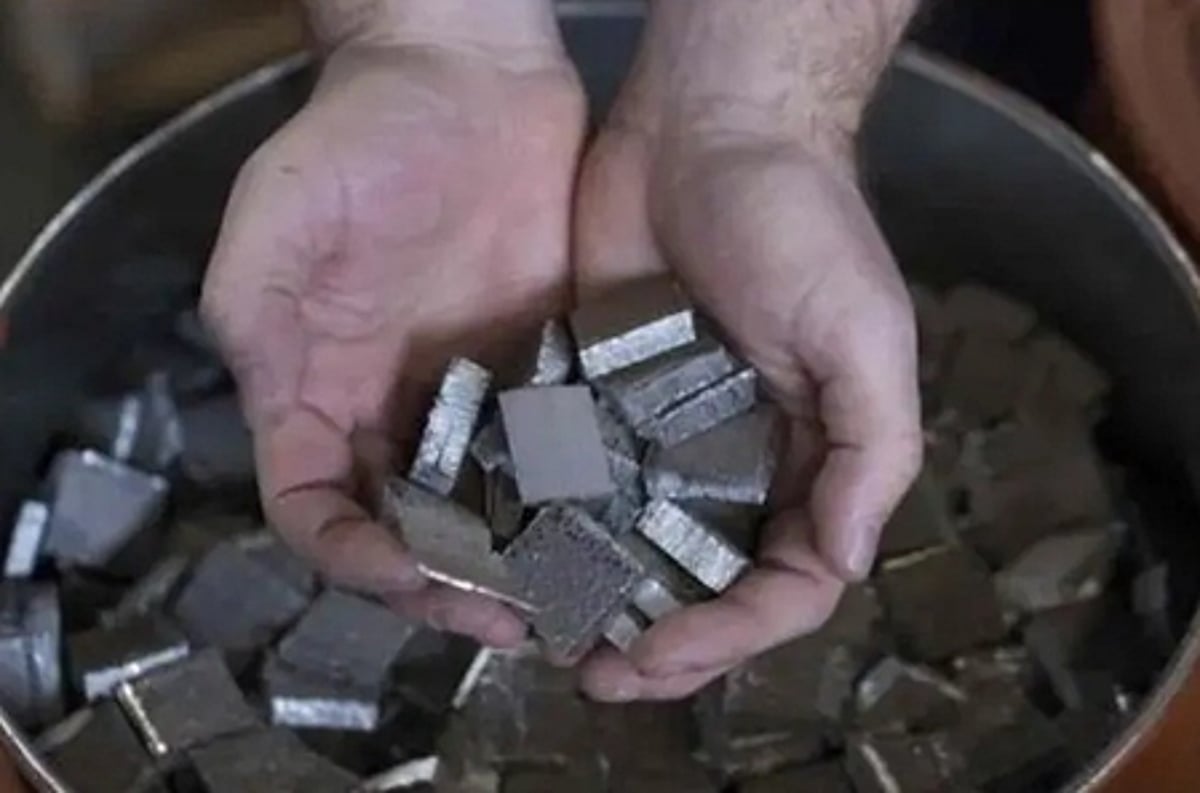
Another perspective on rare earth mining, highlighting the industrial processes involved in extracting these critical minerals.
Geopolitical and Economic Implications
China’s control over reserves and production gives it significant leverage.
In recent years, export restrictions on certain REEs have prompted responses from the West.
The US has invested in domestic sites like Mountain Pass in California, boosting output to 51,000 tonnes in 2025.
Looking ahead: Shifting landscape
The 2026 USGS updates reveal a shifting landscape with revised estimates and growing production outside China.
As demand escalates, balancing resource security, environmental stewardship, and international cooperation will be key.
Countries like Australia and Brazil could emerge as counterweights, but true diversification requires investment and innovation.