
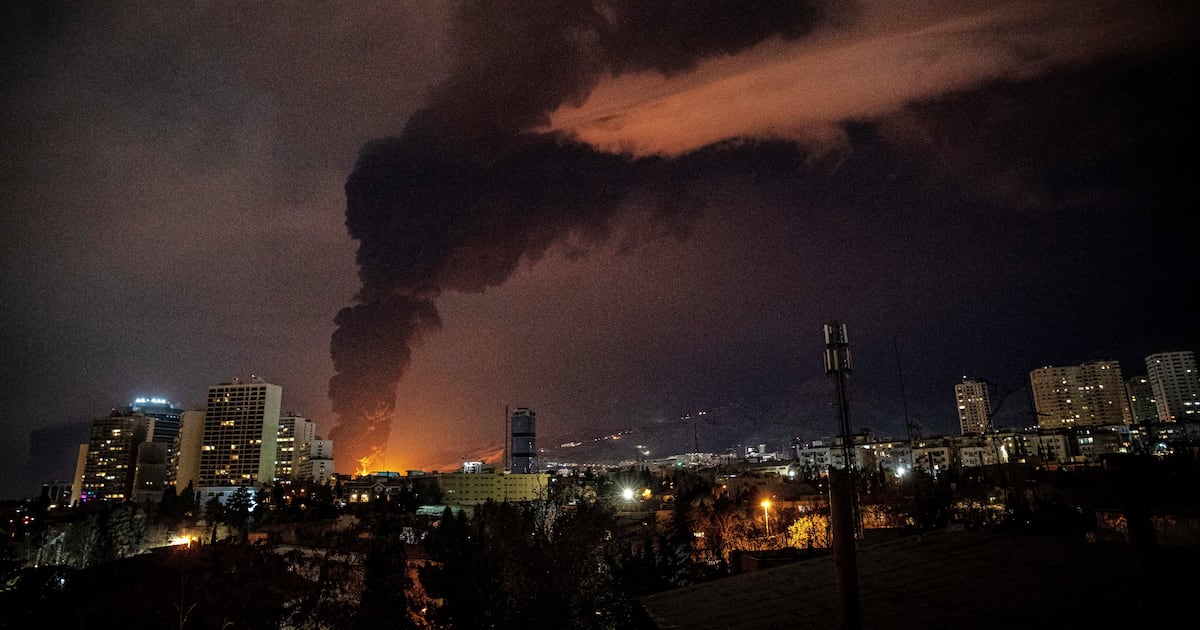
Financial and energy markets have been nervous ever since the US/Israeli attacks on Iran. On Monday, these nerves led to an early outbreak of panic, as Brent oil prices soared briefly to $119 in early trading – the highest since 2022 – and Far East stock markets took a heavy hit.
Talk of the return of “stagflation” – high inflation and low growth – is unnerving investors. Consumers, already seeing higher heating oil and petrol prices, look on. A lot remains to play out, but energy prices are now in the danger zone – at levels which will, if sustained, cause damage. Governments, including our own, are now urgently war gaming how to limit the hit.
By midmorning things calmed down a little bit. The key piece of news was that G7 finance ministers – under the aegis of the International Energy Agency – will discuss the possible release of international oil reserves that are held in storage by most of the big countries, including the US. They later said they stood ready to do so, but have not yet agreed to a coordinated release.
[ Nobody knows when the Iran war will endOpens in new window ]
Oil fell back to just around $100 a barrel by the close of European trading , still up more than 7 per cent on the day and around 25 per cent up on pre-conflict levels. Share prices moved off their lows.
The Monday moves – and the nervous swings – reflect a reassessment of the risk of a wider and longer war and, more specifically, ongoing disruption to oil and gas shipments and the Gulf energy infrastructure. As well as the oil price rise, wholesale gas prices have risen sharply again.
Markets and governments are trying to understand the wider impact. Higher energy costs feed through to household budgets and business costs. They also knock on directly to refined oil products such as kerosene used for home heating oil and fertiliser costs and, indirectly, to prices generally as business and transport operators pass on higher charges they are facing. Sea freight prices hit new records on Monday, up 20 per cent on last week.
Sea and air transport disruptions in the Gulf risk adding another twist to inflation, but this is not a repeat of the gummed-up supply chains which followed Covid-19.
How much the ongoing disruption might add to inflation is impossible to estimate just yet. In a note to clients this morning, Davy stockbrokers say that “while risks are high, we do not expect a return to double-digit inflation in developed economies as a result of higher energy prices, as seen four years ago after Russia invaded Ukraine”.
Gas prices – which feed though to electricity – are still well below levels reached then and, as Davy points out, the world economy back then was in a post-Covid surge when demand was rising.
There are two things to watch in the days ahead. Oil and gas prices are likely to swing with the news cycle and consumers will feel short-term pain, but what matters is the longer-term trend in these wholesale energy prices. This will be determined by the duration of disruption of shipping through the Strait of Hormuz and whether there is permanent or semi-permanent damage to production facilities in the Gulf.
The markets are pricing in the prospect of an inflationary shock and increases in central bank interest rates, but investors are as unsure as the rest of us about what happens next.
Fears about inflation have also hit government bond markets – falling share and bond prices at the same time are, if prolonged, a bad combination of mixed investment funds in areas like pensions. A hit to inflation and growth is now likely; how serious it will be is difficult to judge.
The second thing to watch is how the rising economic risks influence political decisions on the war. US president Donald Trump will not want to see a serious hit to the US economy in the run-up to the midterm elections. Could rising prices at the pumps encourage him to look for a quicker way to declare “victory”? Iranian targeting of Gulf energy facilities and blockages to shipping seem designed to up the economic pressure.
The US, as a net energy exporter, is not as exposed as Europe to higher oil and gas prices, but it is being reflected in the US market nonetheless. Trump’s previous actions – such as drawing back on Liberation Day tariff threats – have been driven in part by stock market falls.
Oil and gas prices are, for now, at levels that would cause economic pain if prolonged – but not a calamity. Ireland, as a big energy importer, is of course vulnerable and calls will grow for Government assistance. Swings in sentiment in both directions are likely in the days ahead. This conflict will have an economic impact, but it will be some time before we can judge how serious it will be.