
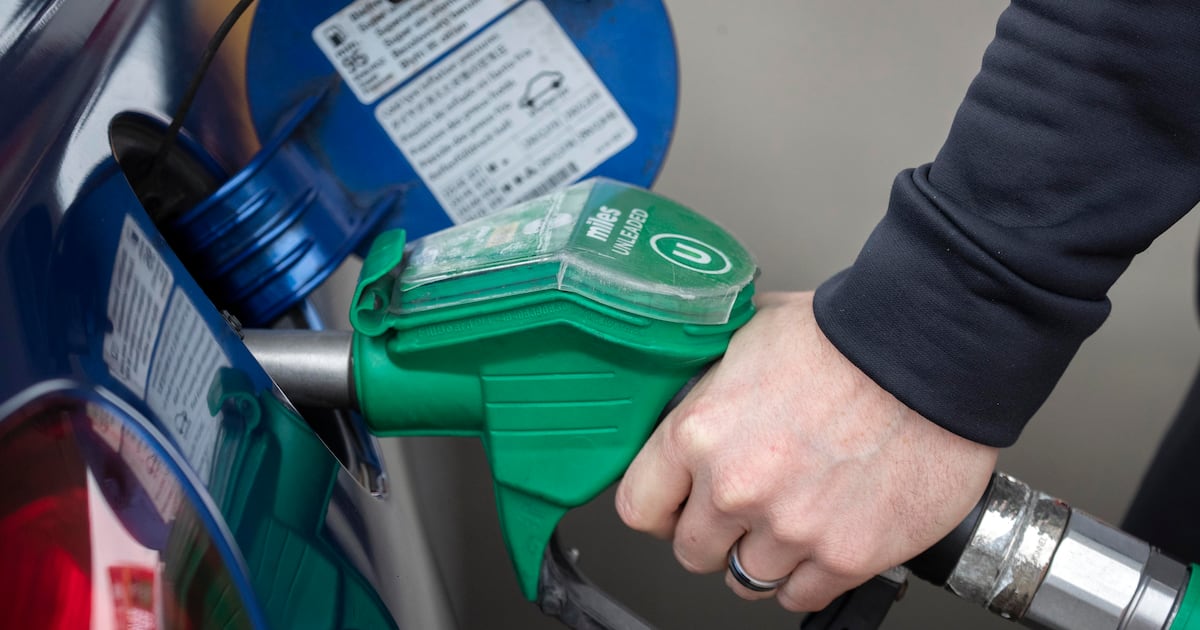
The financial impact on Irish households of war in the Middle East could quickly top €1,000 if oil prices remain elevated, with higher-priced motor fuel, domestic energy, food and mortgages just some of the ways consumers could be hit, experts have warned.
The cost of a litre of motor fuel has already crossed €2 on many fuel forecourts, with prices reaching levels not seen since the summer of 2022 and the aftermath of Russia’s invasion of Ukraine.
A sustained 30 cent per litre hike will see the average motorist worse off by just over €300 a year, while a 20 per cent jump in domestic energy costs will add another €600 to annual bills. The increased cost of oil is also expected to have a knock-on effect on the price of food and other consumer goods.
Motoring analyst Conor Faughnan suggested recent motor fuel price spikes have echoes of previous crises and periods of turbulence. He was cautiously optimistic, however, about the long-term impact.
“What we are seeing is the market responding with shock and there’ll be an oil price surge but it tends not to last,” he said. “Even in the worst-case scenarios markets do tend to adjust and the pattern of previous crises has been an initial really sharp spike in the oil price, after which it is entirely possible that the markets will calm down.”
The price of home-heating oil in Ireland has shown no sign of calming, with the average cost of 500 litres at €880 on Monday afternoon. This is compared with €498 before the war started, a 77 per cent increase in 10 days.
Higher fuel and energy prices are the only ways the conflict will hurt Irish consumers, retail experts have warned, with a “prolonged exposure to increased costs per barrel” impacting a broad range of goods, according to Oliver Browne, an accounting lecturer in UCC.
He warned that higher fuel prices could “spike energy prices, leading to increased costs of refrigeration and processing”. He added the blockade of the Strait of Hormuz, through which about 25 per cent of the world’s fertiliser trade passes, will “show up at the till sooner rather than later and last until the conflict is resolved, or supply chains can reorganise”.
Damian O’Reilly, a senior lecturer in retail management in TU Dublin, added that “agricultural input costs will climb” while plastic packaging, which is derived from crude oil, will also cost more. Hauliers and retailers will be forced to pay higher prices to cover transport and refrigeration costs.
This is before any other inflationary pressures such as any potential increase in European Central Bank interest rates are felt.
 Motorists have been reporting price hikes of more than 30 cent a litre in just over a week. Photograph: Dara Mac Dónaill
Meanwhile, the Government has said it will continue to review its options, with the Cabinet on Monday discussing the fallout from the war and the rising cost of fuel.
After the meeting a Government spokesman said Ministers were not “ruling anything in or out”.
Later, the Tánaiste and Minister for Finance, Simon Harris, speaking on the margins of a meeting of EU finance ministers in Brussels, said the Government was wary of rushing into any intervention.
“This is a conflict that is a week old, and at the moment it’s hard to predict whether this is something that lasts for a period of more days or weeks, or indeed something that lasts for months,” the Fine Gael leader said.
Kevin McPartlan, chief executive of Fuels for Ireland, the umbrella group for suppliers around the country, said the Government’s tax take on fuel has jumped by about €40 million in the last week.
The president of Irish Creamery Milk Suppliers Association, Denis Drennan, demanded action and said taxes and levies meant the exchequer was “actually benefiting from the alarming rise in fuel prices”.