
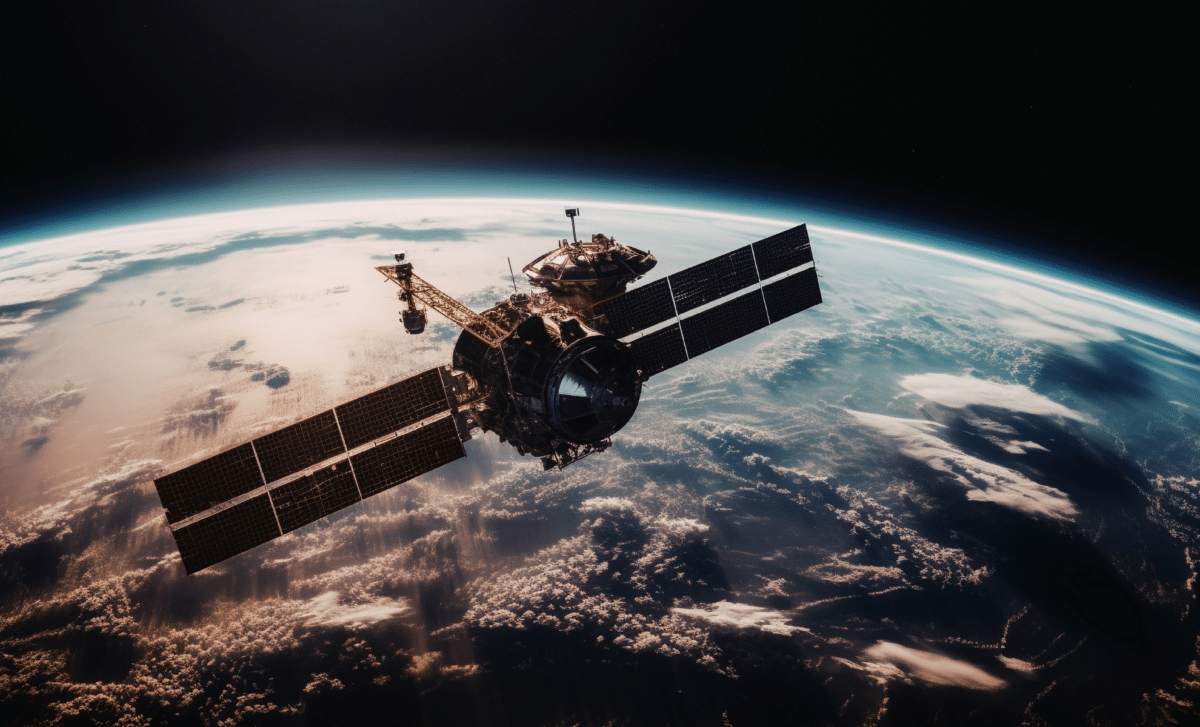
Space exploration is advancing rapidly, with launches occurring at unprecedented rates as companies strive to set up satellite mega-constellations. However, a recent study published by The Conversation reveals a startling reality: these launches are not just reaching the stars, they’re also leaving a significant environmental footprint on Earth’s atmosphere. The growing number of rocket launches and the increasing re-entry of satellites are affecting the middle and upper layers of our atmosphere, potentially leading to irreversible damage to the ozone layer and altering our climate.
The Rising Threat of Space Launches and Their Environmental Toll
The surge in space launches is becoming a cause for concern as it accelerates the release of chemicals and metals into the atmosphere. Each rocket launch and subsequent satellite re-entry releases harmful substances, including alumina (aluminum oxide) and black carbon (soot), into the upper atmosphere. These emissions contribute to atmospheric heating and ozone layer depletion, processes that can have severe consequences for life on Earth. The increase in the number of space launches is directly tied to the growing demand for satellite constellations, such as SpaceX’s Starlink, which aims to provide internet access across the globe. However, as this industry expands, so does the environmental risk.
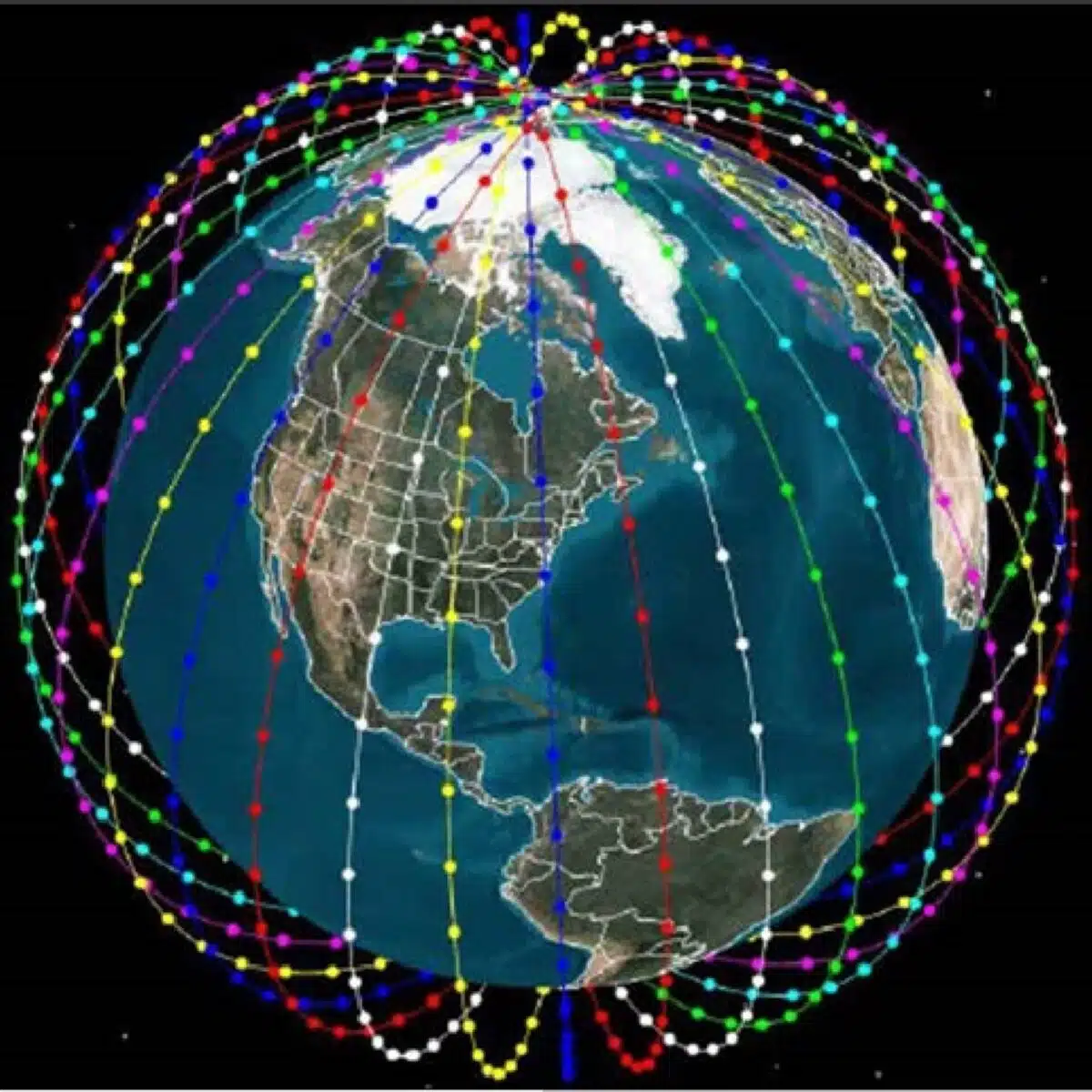 Satellite mega-constellations consisting of hundreds to thousands of spacecraft are becoming a popular solution for global telecommunications coverage. This image demonstrates how satellites in such a mega-constellation could be distributed around the Earth.
Credit: ESA
Experts predict that by the 2030s, thousands of satellites will be de-orbited each year, releasing harmful metals and chemicals, including alumina, into the atmosphere. Alumina, in particular, is a catalyst for ozone depletion, which plays a crucial role in shielding the Earth from harmful solar radiation. The study highlighted by The Conversation warns that if these trends continue, we could see a measurable thinning of the ozone layer, potentially reversing the progress made by the Montreal Protocol, the international agreement that has significantly reduced ozone-depleting chemicals since 1987.
Black Carbon and the Stratosphere: A Warming Problem
Another environmental concern raised by the increasing number of space launches is the effect of black carbon, also known as soot, on the stratosphere. Rocket engines that use hydrocarbon propellants release black carbon into the atmosphere. This material can warm the stratosphere by up to a few degrees, altering wind patterns and potentially accelerating climate change. Unlike carbon dioxide, which has a long atmospheric lifetime, black carbon particles tend to stay in the stratosphere for months or even years, amplifying their warming effect.
 Simulated effects of satellite trails in Hubble, SPHEREx, Xuntian and ARRAKIHS.
Credit: Nature
This warming can have cascading effects on the climate, including disruptions to jet streams and atmospheric circulation patterns. The research suggests that these changes could slow the recovery of the ozone layer, making it harder for the planet to bounce back from the damages caused by earlier human activities, such as the widespread use of chlorofluorocarbons (CFCs). As the number of rocket launches continues to increase, these effects will only intensify, making it critical to find solutions that balance space exploration with environmental sustainability.
The Circular Economy for Space: A Smarter Way Forward
While the environmental risks associated with space launches are concerning, the solution might lie in adopting a circular economy model for space exploration. The idea behind a circular economy is to design products, such as satellites and rockets, to be more sustainable and to encourage their reuse, repair, and recycling. This would minimize the environmental damage caused by space activities while also creating economic value from materials that are currently considered “space junk.”
Research from the Southampton Space Institute suggests that reusing and recycling satellite components could not only reduce space pollution but also generate significant economic value. The potential worth of recoverable materials from space debris is estimated to be between US$570 billion and US$1.2 trillion. By designing space technologies with longer lifespans and recycling capabilities, we can reduce the need for frequent launches and the associated atmospheric pollution.
A circular economy for space could also include servicing and refueling satellites in orbit, a practice that has already been demonstrated with Northrop Grumman’s Mission Extension Vehicles. By extending the operational life of satellites, we could decrease the number of satellites that need to be de-orbited in a destructive manner, helping to mitigate the environmental impact. This approach not only benefits the environment but also offers a new business model for the growing space industry.
A Path Toward Sustainability: Building a Green Space Industry
The challenge of balancing the growth of space exploration with environmental protection is not an easy one. However, it is clear that if we continue to follow the current trajectory, we will face significant environmental consequences, including the further degradation of the ozone layer and the warming of the stratosphere. To avoid these outcomes, it is essential that the space industry adopts more sustainable practices.
Governments and space agencies should prioritize the development of technologies and regulations that encourage satellite servicing, reusability, and environmentally friendly satellite disposal. The European Space Agency’s ClearSpace1 project, which aims to remove space debris, is a step in the right direction. By promoting the idea of “extended producer responsibility,” policymakers can ensure that companies are held accountable for the environmental impact of their products throughout their entire lifecycle.