
Key Takeaways
Dry yogurt is yogurt that’s been strained to remove liquid whey, leaving behind a thicker, more concentrated product.Because water is removed, protein becomes more concentrated per serving.It can be a nutritious, high-protein snack, but the texture, preparation time, and calorie density may not appeal to everyone.
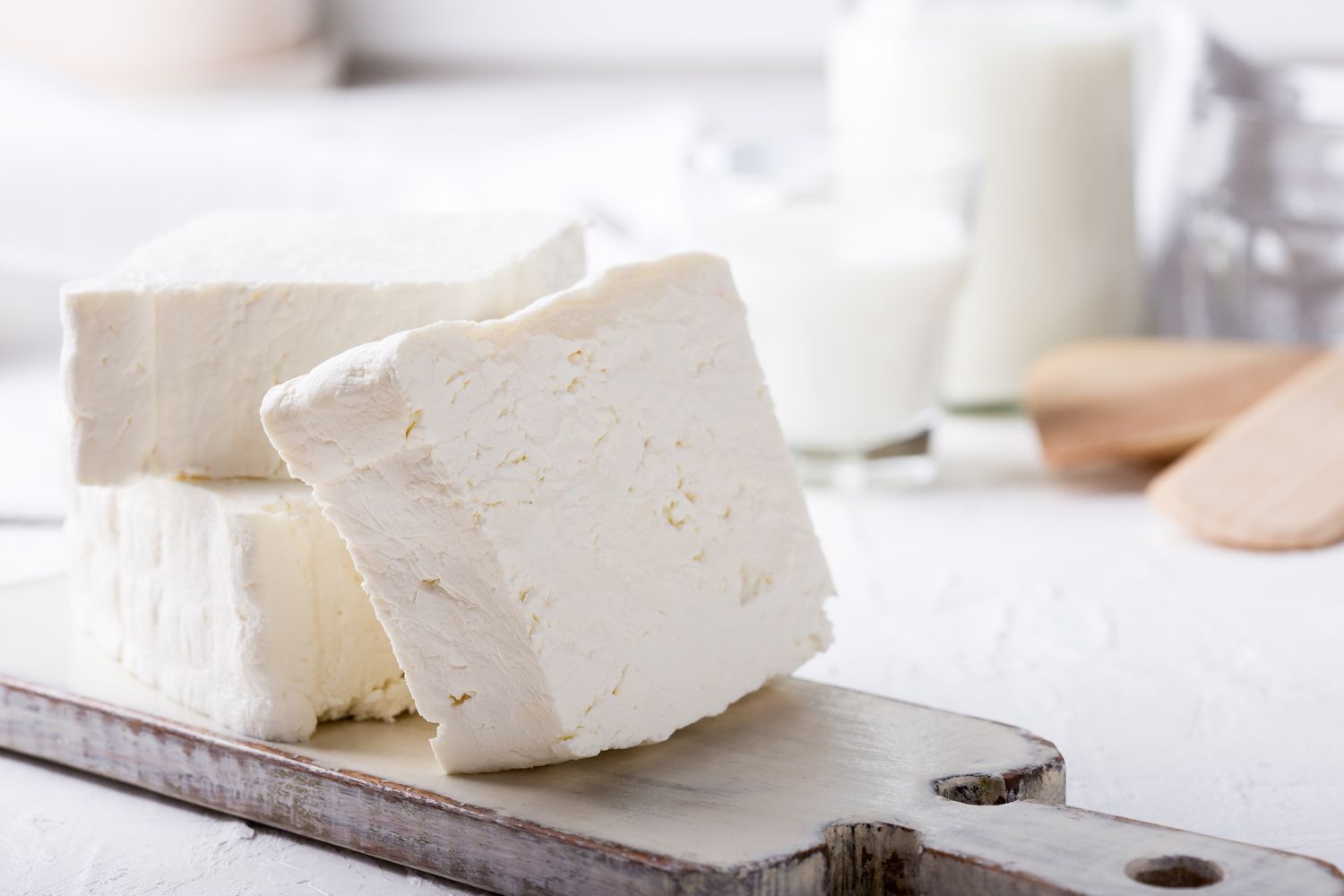
In viral “dry yogurt” videos, creators strain yogurt for hours until it transforms into a dense, spreadable texture that looks more like cream cheese than breakfast. Fans of dry yogurt say it tastes richer, feels more satisfying, and packs significantly more protein than regular yogurt.
What Exactly Is Dry Yogurt?
Dry yogurt is simply yogurt that has been strained to remove liquid whey. It can have more protein than regular yogurt, but it’s more about removing water than adding protein.
“It’s popular in many cultures under various names, such as labneh and chakka,” said Jennifer House, MSc, RD, a registered dietitian and founder of First Step Nutrition.
Depending on how long it strains, the consistency can range from thick Greek yogurt to something closer to soft cheese, she added. That dense texture is one reason the trend has taken off online. Creators often slice it into cubes or use it as a spread.
Nutritional Differences Between Regular Yogurt and Dry Yogurt
The key difference between dry yogurt and regular yogurt is protein concentration.
“Because liquid is removed during the straining process, the volume of yogurt decreases, making it more concentrated and containing more protein and calcium per serving while retaining live probiotics,” said Heewon Gray, PhD, RD, an assistant professor at the University of South Florida College of Public Health.
Gray noted that some water-soluble vitamins, including certain B vitamins, may be lost during straining. Dry yogurt also becomes more calorie-dense, meaning it’s easier to eat more calories in a smaller portion. People who are watching their calorie intake may prefer regular yogurt or other high-protein snacks, such as cottage cheese, she added.
Here are the nutrition facts of a standard 2/3-cup serving of plain yogurt to use as a starting point:
Calories: 133Protein: 6.5 gSugar: 7 gCalcium: 127 mg
A 2/3-cup serving of dry yogurt, on the other hand, contains:
Calories: 100Protein: 17 gSugar: 6 gCalcium: 226 mg
How to Make Dry Yogurt
One reason the trend has caught on is that it’s simple to make, though the process can take up to two days.
Gray recommended starting with plain unsweetened Greek yogurt for the best texture. From there, here’s how to make it at home:
Line a strainer or colander with cheesecloth.Place the strainer over a bowl.Add yogurt to the cheesecloth.Refrigerate for 8 to 48 hours while the whey drains out.Once thickened to your liking, transfer to a container and add toppings if desired.
You can then enjoy the final product in a variety of ways. “You can use the yogurt like a spread similar to cream cheese, or add your favorite toppings like berries, nuts, and cinnamon to make a dry yogurt bowl for a satisfying breakfast or snack,” House said.
Verywell Health uses only high-quality sources, including peer-reviewed studies, to support the facts within our articles. Read our editorial process to learn more about how we fact-check and keep our content accurate, reliable, and trustworthy.
U.S. Department of Agriculture. Yogurt, plain, whole milk. Updated April 28, 2022.
U.S. Department of Agriculture. Greek strained yogurt. Updated December 22, 2022.

Thanks for your feedback!
What is your feedback?
Helpful
Report an Error
Other