
Key Takeaways
Financial conditions, including rising oil prices and mounting pressure in private credit markets, are increasingly resembling the lead-up to the 2008 financial crisis, according to Bank of America strategist Michael Hartnett.Investors fear that higher oil prices could mire the U.S. economy in stagflation, forcing difficult decisions at the Federal Reserve, right as private credit stress threatens to destabilize the financial system.
Get personalized, AI-powered answers built on 27+ years of trusted expertise.
Investors are increasingly worried that, despite talk of “unprecedented” times, we have been here before—and the first go didn’t turn out well.
Case in point: a take from Bank of America raising parallels between recent action in oil prices and concerns about the health of the financial system and the Great Recession of nearly two decades ago.
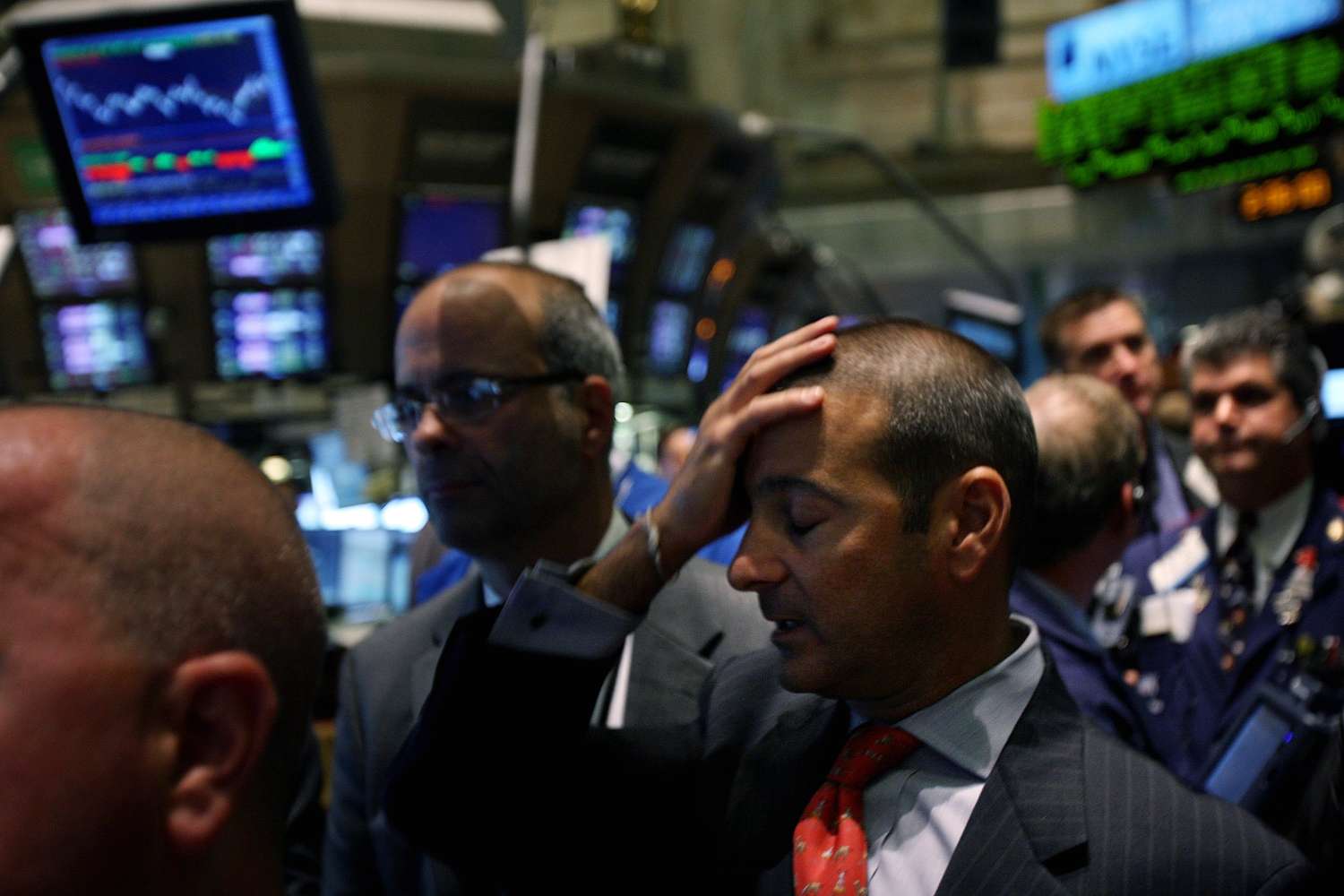
“Asset performance in 2026 is more ominously close to price action seen from mid’07 to mid’08,” wrote the bank’s strategist Michael Hartnett in a recent note to clients obtained by Bloomberg. He highlights that oil prices doubled between July 2007 and August 2008—right as the effects of subprime mortgage defaults rippled through the financial system, ultimately leading to the Great Recession.
Today, investors are worried that a similar pattern is playing out. They fear a sustained spike in oil prices stemming from the war in Iran will aggravate inflation and slow economic growth while stress in private credit markets spills over into the banking system.
Why This Matters
The U.S. economy has been resilient in recent years, weathering an oil price shock following Russia’s invasion of Ukraine, decades-high inflation, and the most aggressive rate hiking cycle in a generation. The recent rise in oil prices comes amid heightened uncertainty about inflation, trade policy, and the impact AI could have on a wobbly labor market.
Private credit is the elder concern. Two bankruptcies late last year raised questions about the industry’s underwriting standards. Fear that AI will disrupt the software industry, a favorite target of private capital, has simultaneously pressured asset prices. In recent weeks, a stampede of investors racing for the exits has forced private credit funds to restrict redemptions, setting off alarm bells for some market watchers.
Hartnett isn’t alone in drawing parallels between the decisions that led to today’s credit stress and the mortgage crisis, which led to America’s worst economic downturn since the Great Depression. Lloyd Blankfein, who led Goldman Sachs through 2008, and JPMorgan Chase chief Jamie Dimon, who last month expressed worries about risky bank loans, have expressed similar concerns in recent weeks.
Oil prices have spiked in the past two weeks amid a near-total shutdown of the Strait of Hormuz, through which about 20% of the world’s oil flowed before the U.S. and Israel attacked Iran late last month. Brent crude, the global oil benchmark, is up nearly 30% since the war began, and more than 60% since the start of the year. Some experts have warned that another 40% increase in oil prices could be enough to tip the U.S. economy into recession.
Gas prices have followed oil higher. The average national gas price rose for a 12th consecutive day on Friday. At $3.63 a gallon, gas is now 22% more expensive than the day the war began. Some market watchers are eyeing the point at which gas prices restrict demand.
Rising oil and gas prices have revived concerns about stagflation, the combination of accelerating inflation and slowing economic growth. Those circumstances put policymakers in a bind: Should they cut interest rates to support growth at the risk of fueling inflation, or raise rates to control inflation but further weigh on growth?
Investors are already scaling back their rate-cut expectations. The consensus for months has been that the Federal Reserve would cut rates twice this year; as of Friday, the majority of traders are betting on one cut at most, according to federal funds futures trading data.