
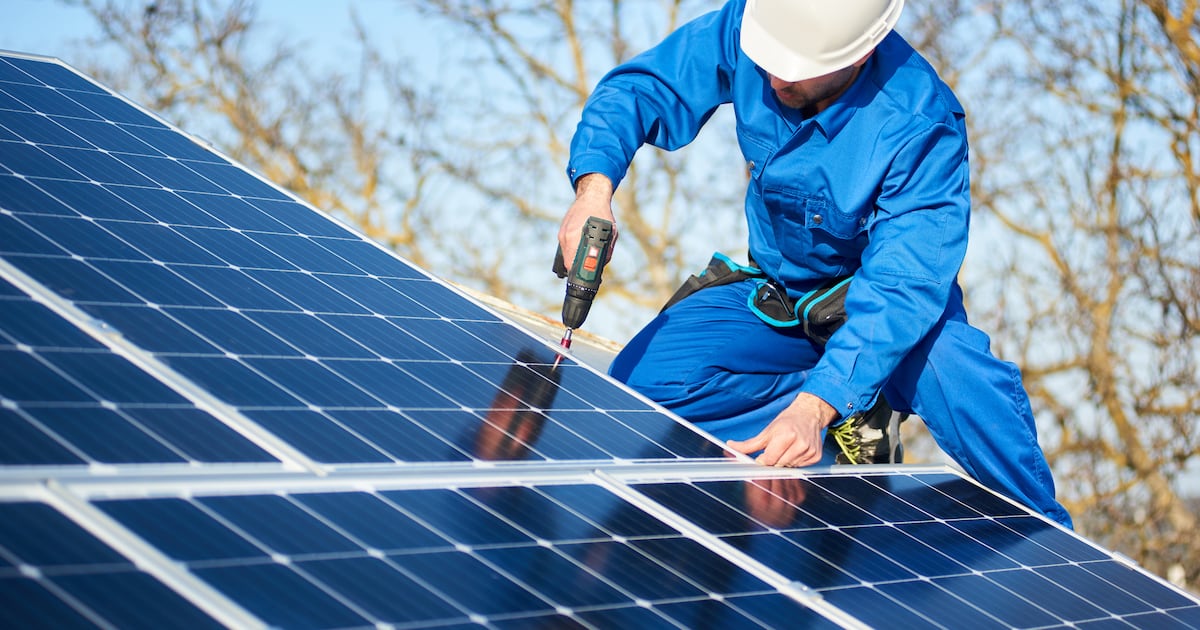
The recent revelation that energy saving technologies such as electric vehicles, solar panels and heat pumps are increasingly the preserve of the wealthy is another blow to the Government’s climate action plan. The EU-mandated plan aims to cut greenhouse gas emissions by 51 per cent by 2030, with almost a fifth of the reductions due to come from the adoption of green technologies and electric cars.
The study examining these issues from Trinity College, Dublin found that EVs and heat pumps are five to seven times more prevalent in better-off areas than in lower-income neighbourhoods. The difference is as much as 13-fold between the highest and lowest income areas. The prevalence of wealth in the eastern half of the country has created an east-west as well as an urban-rural divide.
The Trinity study comes on the heels of a paper from the Economic and Social Research Institute (ESRI) which raised questions about the effectiveness of the grant-aided retrofitting initiative – an important plank of the climate action plan. The ESRI calculated that the programme is likely to significantly undershoot its target of 500,000 homes retrofitted and 400,000 heat pumps in place by 2030
Taken together, the two studies point to the need for a review of important parts of Ireland’s climate strategy. Both suggest reforms to the current programmes are needed to better make use of the more than €9 billion committed to retrofitting and electric vehicles.
The reality that Ireland is very unlikely to meet its targets should allow room for some more innovative thinking. New approaches are needed based on the incentives facing households and the complexity of the energy transition.
The target of a 51 per cent reduction is a legally binding commitment on the State. Realism is needed here, but so too is acceptance of the need for new strategies to achieve as much as possible. For a variety of reasons, not doing so threatens to be even more costly than acting quickly. And a key risk here is that many households would remain exposed to volatile oil and petrol prices.