
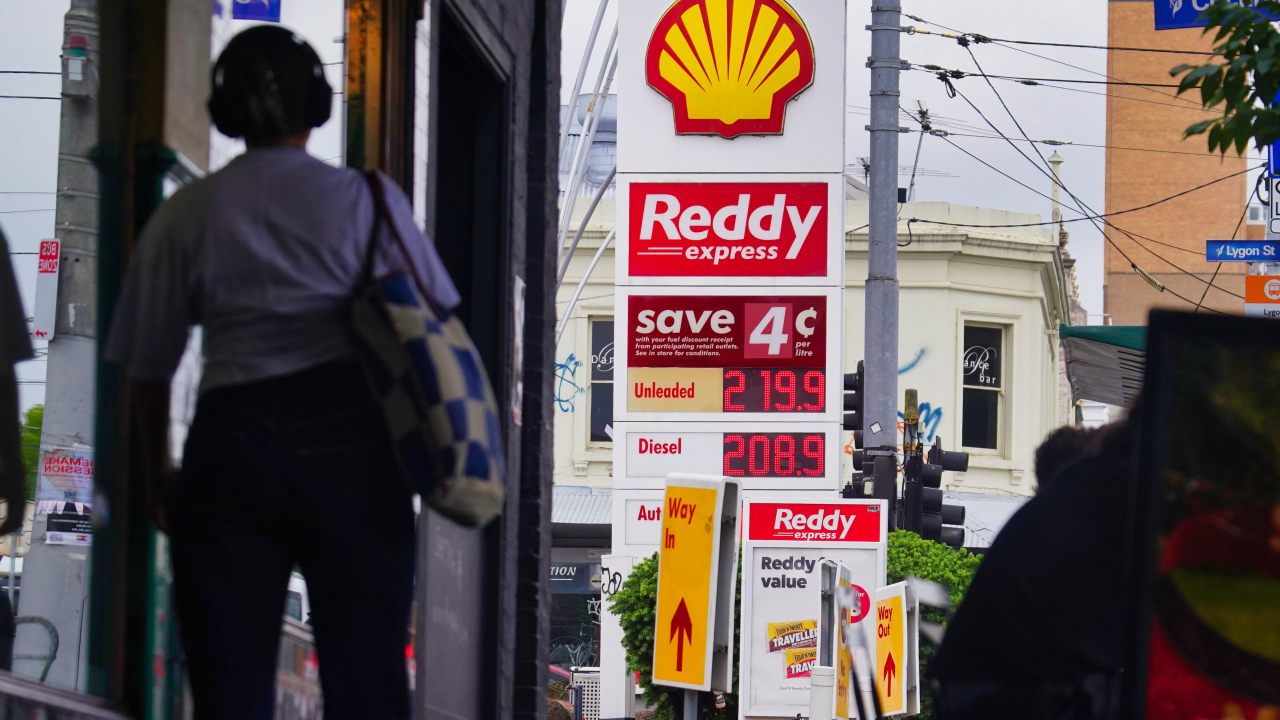
An Australian energy analyst has warned the nation faces “two petrol crises”, as a new industry urges the government to assist domestic businesses amid fuel cost pressures.
MST Analyst and energy columnist Saul Kavonic told Sky News on Tuesday night Australia has not needed to panic over petrol so far – but a protracted war in the Middle East would be a serious cause for concern.
“We have two petrol crises here,” he said. “The first one is panic buying.”
“We don’t right now actually have less petrol than we did before the war in Iran but people are freaking and they’re buying a lot more.
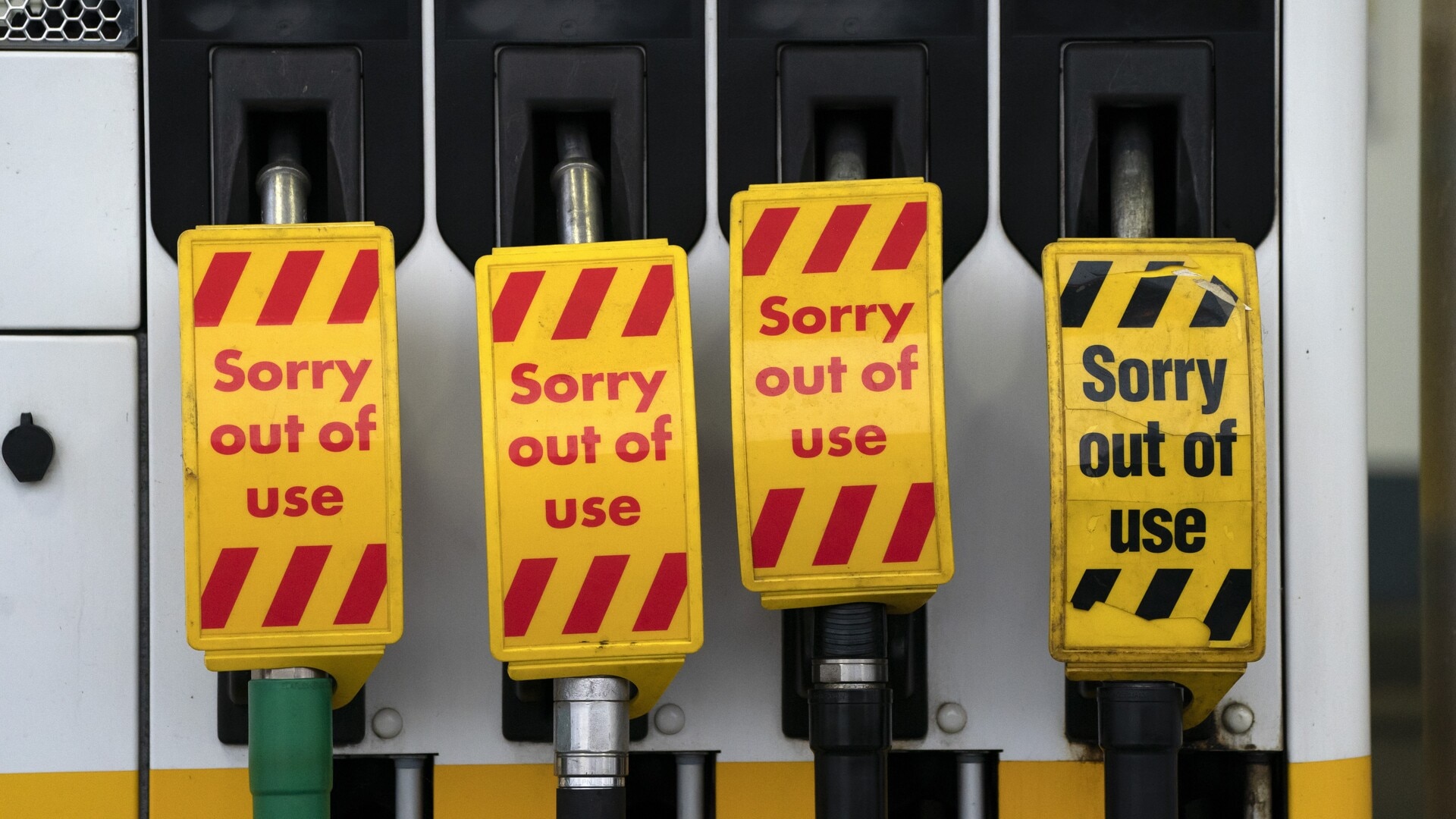
“The other crisis is that we do face real shortages as this war in Iran goes on… that’s why the government can’t guarantee there won’t be fuel rationing later.
“We haven’t needed to panic yet, but the concern is now that this war looks to be dragging out into April – we will start to feel those pressures.”
It comes as Australian retailers joined farmers in airing their concerns inflated fuel prices could prove overwhelming for domestic business.
The Australian Retail Council (ARC) said business was battling a “double hit” of supply price pressures and high interest rates after the Reserve Bank’s decision to raise rates to 4.10 per cent on Tuesday.
“Retail is again facing a double hit – rising supply chain costs from the global oil shock and a rate rise that will likely further squeeze household spending,” CEO Chris Rodwell said.
“Retail businesses have been operating under extremely tight margins as the cost of doing business has continued to rise… When the retail sector comes under pressure, the broader economy feels it very quickly.”
He urged the government to ease financial pressures on business in the upcoming budget.
The ARC believed inconsistent state and territory regulations could be streamlined to help businesses relieve other cost pressures.
Mr Rodwell said: “At a time when households and businesses are facing rising fuel and borrowing costs, the focus must be on reducing unnecessary regulatory burden and supporting business confidence”.
“Retailers are looking for practical steps to reduce the cost of doing business and support economic growth,” he added.
Australia’s primary producers were among the first to feel the oil price shock from the Middle East.
Farmers and transporters have faced rising fuel costs in the regions, some of which the ACCC believes occurred before the oil price rises stemming from the conflict hit the Australian energy supply chain.
Regional service stations have also suffered petrol and diesel shortages as some, concerned by the Iran war, stocked up and “panic-bought” fuel.
Mr Kavonic said Australia’s saving grace could be its natural gas reserves if the conflict were to drag on.
“Australia is a very large (liquefied natural gas) exporter, and the global LNG market is actually even tighter than the global oil market,” he said.
Australia accounts for about a fifth of the global LNG trade.
Nearly 90 per cent of the nation’s exports go to Asia, where the majority of Australia’s fuel is refined.
Japan, China, Korea and Singapore are the principal importers of Australian gas, which Mr Kavonic argued should give the nation leverage in the refined oil trade.
“Our major trading partners… rely on us for our LNG,” he said.
“I think we should… be seeing the Australian government reminding our trade partners that we are a reliable supplier of LNG.
“They rely on us for their gas security and therefore we should be at the absolute top of the priority list for exports of fuel which rely on from them.”